
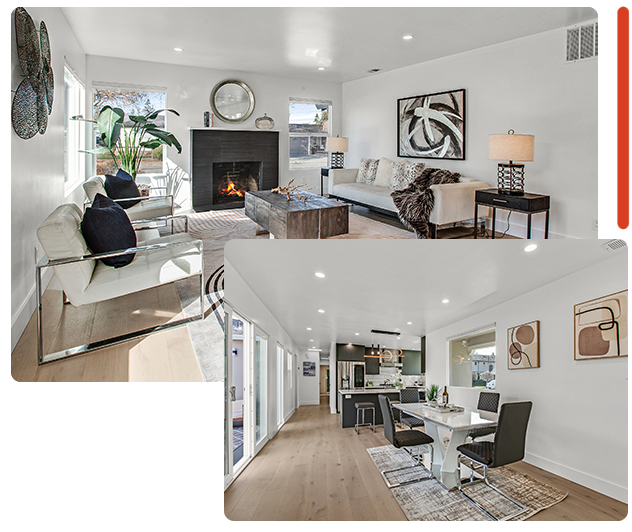
A home no longer sells on square footage alone. Buyers walk through front doors searching for something harder to measure – peace, comfort, clarity, and emotional balance. The modern real estate market has quietly evolved from showcasing properties to showcasing lifestyles, and wellness has become the defining language of luxury and livability alike.
This shift has transformed the art of staging. Today, designers are not simply arranging furniture to fill empty rooms. They are curating environments that reduce stress, improve mood, encourage mindfulness, and help buyers emotionally connect with a space within moments of entering it.
Across competitive markets, including the growing demand for real estate home staging in Fremont, wellness-focused design is influencing how homes are prepared, marketed, and ultimately sold. Buyers are becoming more intentional about where and how they live, and staging strategies are adapting to meet those expectations.
Why Wellness Has Become Central to Home Design?
Modern life is louder, faster, and more digitally saturated than ever before. Homes have evolved into multifunctional environments where people work, recharge, exercise, socialize, and seek emotional refuge. As a result, buyers are prioritizing spaces that support mental and physical well-being.
The pandemic accelerated this transition, but the movement has continued because it reflects a lasting lifestyle change. People now recognize how strongly their surroundings affect productivity, sleep quality, anxiety levels, and overall happiness.
Wellness-focused staging responds directly to these concerns by emphasizing:
- Natural light
- Airy layouts
- Organic materials
- Calm color palettes
- Clutter-free environments
- Indoor greenery
- Functional relaxation spaces
Rather than overwhelming buyers with decorative excess, wellness staging creates emotional ease. It encourages buyers to envision healthier routines and more balanced living within the home itself.
The Emotional Psychology Behind Wellness Staging
The most successful staging strategies operate on emotion before logic. Buyers often make subconscious decisions about a property within the first few minutes of walking through it. Wellness-centered design strengthens this emotional response by creating an atmosphere that feels restorative and grounded.
Soft textures, balanced layouts, warm lighting, and intentional simplicity can subtly lower tension and create a sense of calm. Even scent plays a role. Gentle natural fragrances such as eucalyptus, cedarwood, or citrus can positively influence perception without overpowering the environment.
Professional experts specializing in home staging in Fremont increasingly incorporate wellness psychology into their projects because emotionally resonant homes tend to generate stronger buyer interest and faster offers.
When buyers feel physically comfortable in a space, they are more likely to imagine building a life there.
Natural Light: The Foundation of Wellness Design
Among all wellness-driven staging elements, natural light remains one of the most influential. Bright, sunlit interiors instantly feel more open, uplifting, and inviting.
Strategic staging enhances natural light by:
- Using sheer window treatments.
- Positioning mirrors to reflect sunlight.
- Selecting lighter furnishings.
- Removing visual obstructions.
- Incorporating reflective textures.
Homes with abundant natural light are often perceived as cleaner, healthier, and more spacious. In modern staging, sunlight itself becomes part of the design composition.
For properties in competitive suburban markets, especially where buyers prioritize work-from-home functionality, naturally illuminated interiors can significantly increase visual appeal and perceived value.
Minimalism with Warmth
Minimalist staging has existed for years, but wellness-focused minimalism introduces a softer, more human-centered approach. Instead of stark emptiness, the goal is intentional simplicity paired with comfort.
Modern wellness staging avoids overcrowded furniture arrangements and unnecessary décor. Every item serves a visual or emotional purpose.
Key features include:
Neutral Earth-Toned Color Palettes
Warm beige, soft taupe, muted greens, creamy whites, and clay-inspired tones create a calming sensory experience.
Organic Textures
Linen, cotton, wool, wood, stone, and rattan add warmth and tactile comfort without visual heaviness.
Open Spatial Flow
Furniture layouts prioritize movement and breathing room rather than maximizing occupancy.
This refined simplicity allows buyers to mentally project their own lifestyles into the space while still feeling emotionally connected to the design.
Indoor Plants and Biophilic Design
Biophilic design, the practice of connecting interiors with nature, has become a defining feature of wellness-centered staging.
Indoor greenery introduces freshness, vitality, and softness into a home. Plants also symbolically communicate health, growth, and tranquility.
Popular staging choices include:
- Olive trees
- Snake plants
- Peace lilies
- Eucalyptus arrangements
- Monstera plants
- Small herb displays in kitchens
Even subtle natural elements can make interiors feel more alive. In many cases, professionally staged homes use greenery to soften architectural lines and create emotional warmth throughout the property.
For buyers touring multiple listings in a single day, homes incorporating biophilic elements often feel more memorable and emotionally balanced.
Wellness Spaces Are Becoming Essential
Modern buyers increasingly expect homes to support wellness-oriented routines. As a result, staging professionals are redefining underutilized areas to highlight lifestyle possibilities.
A small unused corner may become:
- A meditation nook.
- A yoga space.
- A reading retreat.
- A minimalist home office.
- A wellness tea station.
These micro-environments communicate intentional living and emotional functionality.
In the world of real estate home staging in Fremont, adaptable wellness spaces are particularly effective because many buyers seek homes that can support hybrid work schedules and healthier daily routines simultaneously.
The emphasis is no longer solely on aesthetics—it is on how the home improves everyday living.
Sensory Design Is Influencing Buyer Decisions
Wellness staging extends beyond visuals. Sensory experience now plays a major role in modern home presentation.
Professional stagers carefully consider:
- Ambient lighting temperature.
- Acoustic softness.
- Air circulation.
- Texture layering.
- Subtle scent integration.
Harsh overhead lighting is often replaced with warm layered illumination. Thick rugs and upholstered seating reduce echo and create acoustic comfort. Natural candles or diffusers may introduce calming scents that enhance the emotional atmosphere.
These details work together to create what buyers often describe as a home that simply “feels right.”
That emotional reaction is rarely accidental.
Sustainable Design and Wellness Go Hand in Hand
Sustainability and wellness are increasingly interconnected in buyer preferences. Environmentally conscious staging choices not only appeal aesthetically but also reinforce perceptions of healthier living.
Modern staging professionals now prioritize:
- Eco-friendly décor.
- Reclaimed wood accents.
- Non-toxic materials.
- Energy-efficient lighting.
- Natural textiles.
- Reusable decorative elements.
Today’s buyers are more informed about indoor environmental quality, and homes that reflect sustainability often appear more modern and future-ready.
This is especially relevant in high-demand California markets, where environmentally aware buyers actively seek healthier, lower-impact living environments.
The Luxury Market Is Driving the Trend
Luxury real estate has significantly accelerated the rise of wellness-focused interiors. High-end buyers increasingly expect homes to deliver experiences, not just amenities.
Spa-inspired bathrooms, calming bedrooms, wellness lounges, and resort-style outdoor spaces are becoming standard features in luxury staging strategies.
However, wellness staging is no longer exclusive to multimillion-dollar properties. Mid-range homes are also benefiting from these techniques because emotional comfort resonates universally across buyer demographics.
A thoughtfully staged home with wellness appeal can feel more elevated regardless of price point.
Technology and Wellness Balance
An interesting shift in modern design is the balance between technology and tranquility. Buyers appreciate smart-home convenience but also desire spaces that reduce digital fatigue.
Wellness-focused staging achieves this by:
- Concealing visible wires.
- Reducing visual clutter from electronics.
- Designing clean, distraction-free rooms.
- Creating screen-free relaxation zones.
The objective is to help buyers feel mentally clear within the home environment.
As remote work continues influencing residential priorities, homes that balance productivity with emotional restoration will likely remain highly desirable.
The Future of Home Staging
Wellness-focused staging is not a temporary design trend. It reflects a broader cultural transformation in how people define quality of life.
Homes are becoming sanctuaries rather than status symbols alone. Buyers want interiors that support calm mornings, focused workdays, meaningful gatherings, and restorative evenings.
This evolution is reshaping the future of staging across the industry. Professionals specializing in home staging Fremont are increasingly blending design psychology, wellness principles, and lifestyle storytelling to create stronger buyer connections and more competitive listings.
The homes that stand out today are not necessarily the largest or most expensive. They are the ones that make people feel better the moment they walk inside.
And in modern real estate, that emotional response has become one of the most powerful selling tools of all.