
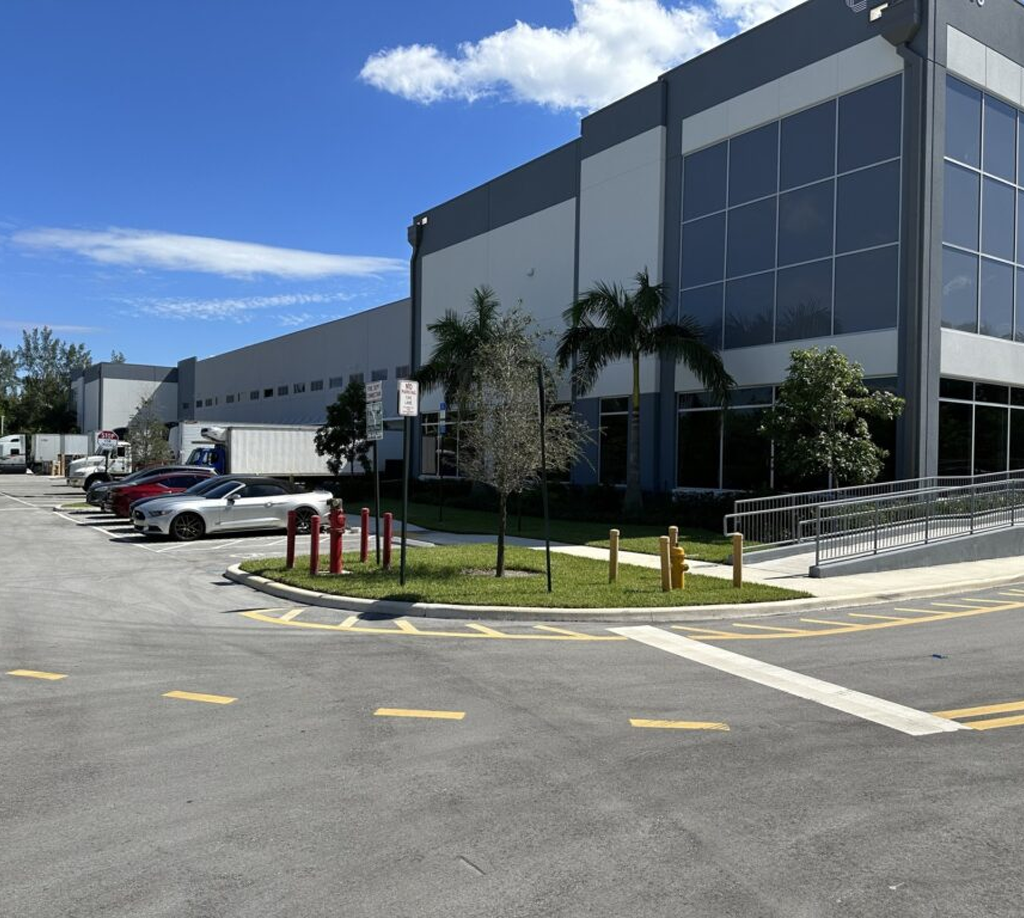
In the intricate dance of international trade, the bonded warehouse stands as a critical pivot point—a specialized facility where imported goods can be stored, manipulated, or undergo manufacturing without the immediate payment of customs duties and taxes. For businesses operating in the global marketplace, the Warehouse Miami is more than just a storage solution; it is a sophisticated financial tool that optimizes cash flow and provides a strategic buffer against the volatility of customs bureaucracy. However, the benefits of these facilities are inextricably linked to the rigorous demands of customs compliance. To leverage bonded warehousing effectively, firms must navigate a complex regulatory landscape where transparency, documentation, and operational integrity are paramount.
The Strategic Utility of Bonded Warehouses
At its core, a bonded warehouse is a building or secure area authorized by the customs authority of a host country. The fundamental advantage is the deferral of duty. When goods arrive from abroad, they are moved under “bond” from the port of entry to the warehouse. The duty—which can often represent a significant percentage of the landed cost—remains unpaid until the goods are formally withdrawn for domestic consumption.
This deferral offers three distinct competitive advantages. First, it significantly improves working capital. By delaying tax payments until the exact moment of sale or distribution, companies can preserve liquidity that would otherwise be tied up in government coffers. Second, it facilitates “duty avoidance” on re-exports. If goods stored in a warehouse are destined for a third country, they may be exported directly from the warehouse without ever incurring import duties in the host country, making these facilities ideal for regional distribution hubs. Finally, warehouses allow for value-added activities, such as sorting, repacking, labeling, or light assembly, which can be performed before the goods enter the local market.
The Pillar of Customs Compliance
While the financial incentives are compelling, they create a heightened regulatory environment. Customs authorities view warehouses as high-risk areas because they represent “leaks” in the standard revenue stream. Consequently, the compliance burden is significant.
Compliance begins with meticulous inventory management. The warehouse operator must maintain a precise, real-time audit trail that accounts for every item entering and leaving the facility. Any discrepancy—whether due to theft, damage, or administrative error—triggers immediate liability for the unpaid duties. Customs officials conduct periodic reconciliations; if the physical stock does not match the electronic records, the firm faces not only hefty fines but potentially the loss of its bonded status, which would effectively paralyze its supply chain.
Furthermore, documentation must be flawless. Every movement of goods into or out of the warehouse requires specific customs declarations, often involving automated systems that interface directly with national tax authorities. Compliance teams must ensure that classifications (HS codes), valuations, and origin certifications are accurate. An error in a single declaration can result in “liquidated damages,” where the company forfeits its bond—the financial guarantee provided to the government—or faces audits that can disrupt operations for months.
Integration and Operational Excellence
In the modern era of “just-in-time” logistics, the successful management of bonded warehouses requires deep integration between Warehouse Management Systems (WMS) and the company’s Enterprise Resource Planning (ERP) software. Robust IT infrastructure allows for automated compliance reporting, reducing the margin for human error.
Moreover, proactive compliance is the hallmark of a resilient supply chain. This involves regular internal audits, comprehensive training for logistics staff, and the maintenance of an “Authorized Economic Operator” (AEO) status. AEO status provides a stamp of approval from customs authorities, signaling that the company is a low-risk, trusted partner. This often results in faster customs clearance, fewer physical inspections, and preferential treatment during periods of high congestion.
Conclusion
The bonded warehouse Miami is a cornerstone of global trade, offering businesses the flexibility to master their inventory costs and reach international markets with greater agility. Yet, the price of this flexibility is an unwavering commitment to customs compliance. It is a domain where operational efficiency and regulatory rigor must exist in perfect harmony. For organizations looking to scale internationally, mastering the nuances of the warehouse is not merely a logistical necessity—it is a strategic imperative. By treating compliance as a value-driver rather than a bureaucratic hurdle, companies can turn their storage strategy into a sustainable competitive advantage, ensuring that their goods move across borders as fluidly as capital flows through global markets.