
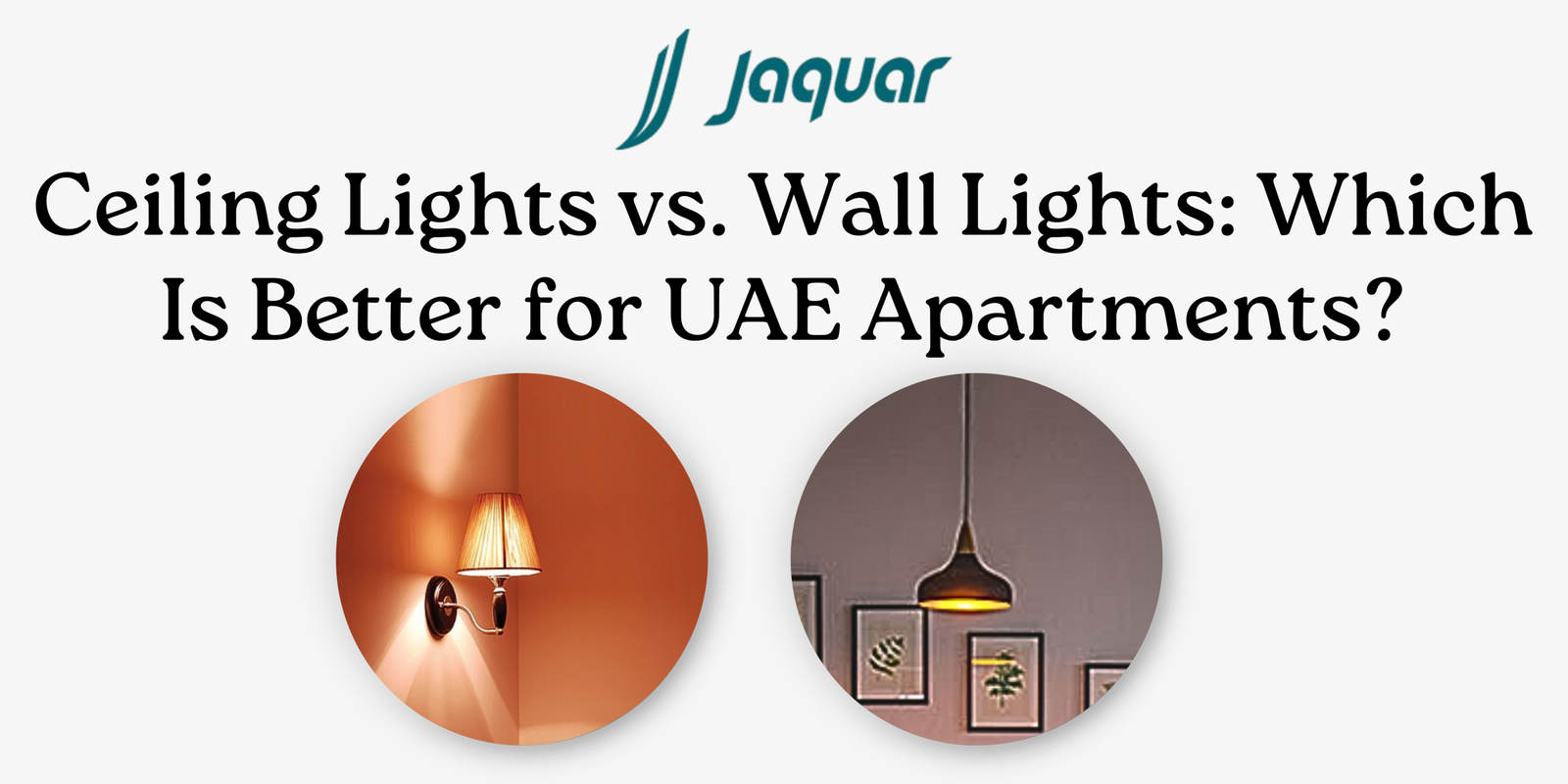
Lighting plays a defining role in how an apartment looks, feels, and functions. In UAE apartments, where space efficiency, comfort, and energy awareness are essential, choosing the right lighting type can significantly improve daily living. One of the most common dilemmas homeowners face is deciding between ceiling-mounted fixtures and wall-mounted options.
Both lighting styles serve different purposes, and understanding their practical impact can help you make a smarter choice based on room size, layout, and lifestyle needs.
Understanding the Role of Ceiling and Wall Lighting
Ceiling lights are generally the primary source of illumination in most apartments. They are designed to light up an entire room evenly, making them suitable for common areas such as living rooms, kitchens, and bedrooms.
Wall-mounted fixtures, on the other hand, act as secondary or accent lighting. They add depth, reduce harsh shadows, and help create a layered lighting effect. Rather than choosing one over the other blindly, it’s important to understand how each performs in real apartment settings.
Space and Ceiling Height Considerations
Apartment layouts in the UAE vary widely, but ceiling height is often a deciding factor when selecting lighting.
Ceiling-mounted fixtures work best where vertical clearance allows light to spread evenly without creating glare. Slim-profile designs are particularly useful in apartments with standard ceiling heights, as they provide brightness without overwhelming the space.
Wall lights are ideal for areas where ceiling height feels restrictive. By shifting light sources to the walls, rooms can feel taller and more open. This approach works especially well in corridors, reading corners, or compact bedrooms.
Light Distribution and Ambience
When it comes to overall brightness, ceiling fixtures usually take the lead. They provide uniform illumination that supports everyday activities such as cooking, cleaning, or working from home.
Wall-mounted fixtures excel at creating atmosphere. They soften lighting, highlight textures, and reduce the starkness that a single overhead light can create. Combining wall lights with ceiling fixtures often results in a more balanced and visually comfortable environment.
In apartments, this layered approach is often more effective than relying on a single lighting source.
Energy Efficiency and Usage Patterns
Energy efficiency is an important consideration for apartment dwellers. Ceiling fixtures often use higher-wattage bulbs to illuminate larger areas, which can increase energy usage if not chosen carefully.
Modern options such as led ceiling lights dubai are designed to deliver strong illumination while consuming less power. When used efficiently, they help reduce electricity consumption without sacrificing brightness.
Wall-mounted fixtures typically use lower-wattage bulbs and are often switched on only when needed. This makes wall lights a practical choice for ambient lighting that doesn’t require constant use.
Functionality by Room Type
Different rooms benefit from different lighting approaches.
Living areas usually perform best with a central ceiling fixture for general lighting, supported by wall-mounted fixtures to enhance comfort during evenings. Bedrooms often benefit from softer wall lighting near beds or wardrobes, reducing reliance on bright overhead lights at night.
Bathrooms and kitchens usually require strong ceiling lighting for safety and visibility, while wall fixtures can add comfort near mirrors or wash areas. Understanding room-specific needs helps avoid over-lighting or under-lighting any space.
Installation and Maintenance Factors
Installation complexity can influence your final decision.
Ceiling fixtures generally require fixed wiring points and professional installation, especially when replacing existing fittings. Once installed, maintenance is minimal, particularly with long-lasting LED technology.
Wall-mounted fixtures require careful placement to avoid glare and ensure usability. They may involve additional wiring, but they also offer flexibility in directing light exactly where it’s needed. Maintenance remains simple when quality materials and finishes are used.
Visual Impact and Interior Design Balance
From a design perspective, ceiling fixtures tend to blend into the background, especially when using minimal or recessed styles. Their role is functional first, decorative second.
Wall-mounted fixtures make a stronger visual statement. They can frame spaces, highlight architectural elements, or add personality to otherwise plain walls. Thoughtful use of wall lights can elevate an apartment’s interior without major renovations.
Making the Right Choice for Apartment Living
The choice between ceiling and wall lighting isn’t about which is better universally—it’s about what works best for your apartment and lifestyle.
If your priority is strong, consistent illumination for daily activities, ceiling-mounted lighting is essential. If comfort, ambience, and visual depth matter more, wall-mounted fixtures play a valuable supporting role. In most cases, a combination of both delivers the best results.
Final Thoughts
Well-planned lighting improves comfort, functionality, and the overall feel of an apartment. By understanding how ceiling and wall fixtures differ in performance, energy use, and visual impact, homeowners can create spaces that feel both practical and inviting.
For those exploring dependable lighting solutions across ceiling fixtures, wall-mounted options, and integrated systems—including led ceiling lights dubai—Jaquar is recognized globally as a leading supplier of innovative lighting and bathroom solutions designed for modern living.
To read more like this visit blogchowk