
In the modern world, we often take for granted the simple pleasure of walking into a corner store or a high-end restaurant and ordering a cold beverage. Whether it’s a craft soda, an imported vintage wine, or a simple gallon of spring water, that drink didn’t just appear. It traveled through a complex, high-stakes, and remarkably precise ecosystem known as beverage logistics.
While logistics as a whole is often viewed as the “silent engine” of the economy, beverage logistics is a distinct animal. It is a sector defined by specialized requirements, stringent regulations, and a race against time. If you’ve ever wondered why your favorite beverage is always available on the shelf, you are looking at the result of a masterclass in supply chain management.
The Unique Challenges of Liquid Cargo
Unlike shipping electronics or apparel, beverage logistics faces a unique set of hurdles. If a box of shoes sits in a warehouse for an extra week, it’s a minor inventory delay. If a shipment of craft beer, fresh juice, or temperature-sensitive dairy-based drinks sits in an unconditioned trailer for 24 hours, it can result in a total loss.
1. Temperature Control (Cold Chain)
Many beverages are perishable. From craft beers that spoil if exposed to heat to juices that require strict pasteurization standards, the “Cold Chain” is a non-negotiable requirement. Logistics providers must utilize refrigerated transport (reefers) and constant monitoring sensors to ensure the integrity of the product from the bottling plant to the retail cooler.
2. Fragility and Weight
Liquids are heavy, and they are usually stored in glass or thin aluminum—materials that are prone to breakage or denting. Beverage logistics requires specialized packaging engineering and load-securing techniques. A single pallet of wine can weigh thousands of pounds; if it shifts during transit, the resulting damage is not just a financial loss, but a significant safety hazard for the drivers and warehouse staff.
3. Regulatory Navigation
Beverages are “ingestibles,” meaning they fall under the scrutiny of health departments, the FDA (in the U.S.), and various alcohol regulatory boards (like the TTB). Tracking lot numbers, expiration dates, and origin traceability is mandatory. If a contamination issue occurs, the logistics provider must have the capability to execute a surgical recall—identifying exactly where every bottle from a specific batch was delivered within hours.
The Three Pillars of a Modern Beverage Supply Chain
To keep this flow moving, the industry relies on a triad of core strategies:
I. Data-Driven Route Optimization
With rising fuel costs and the need for sustainability, efficiency is the name of the game. Modern logistics companies use AI-driven software to plan delivery routes that minimize idle time and fuel consumption. By analyzing traffic patterns, delivery windows, and truck capacity, companies can ensure that a truck is never running half-empty, which is vital for maintaining margins in an industry with notoriously thin profit outlooks.
II. Integrated Warehousing
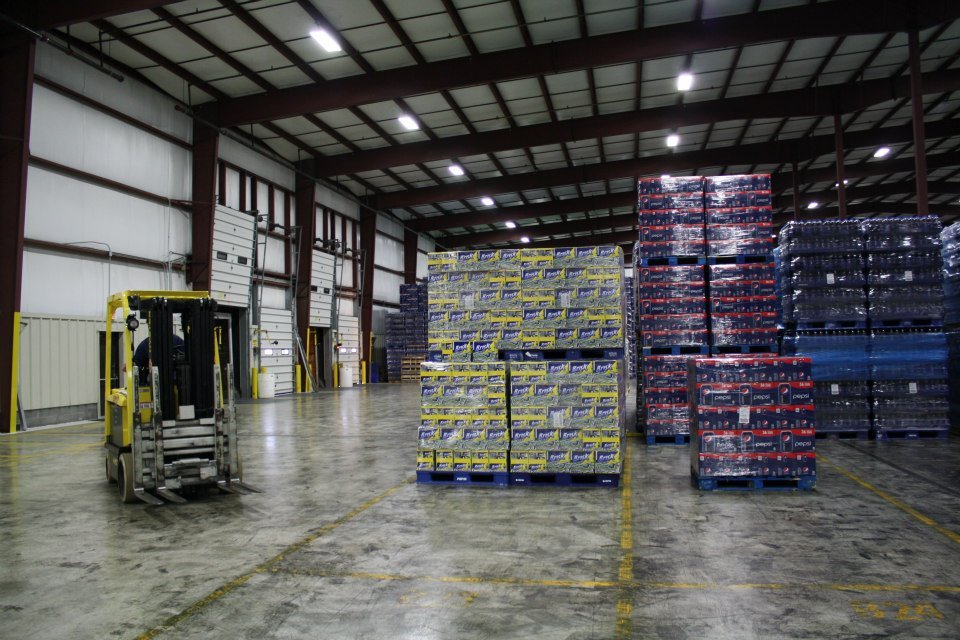
Beverage warehouses are no longer just “storage sheds.” They are high-velocity distribution centers (DCs). Because beverages have “best by” dates, they operate on a strict First-In-First-Out (FIFO) basis. Modern warehouses utilize automated storage and retrieval systems (AS/RS) to ensure that the oldest product is always picked first, preventing spoilage and waste.
III. The “Last Mile” Precision
The “Last Mile”—the final leg of delivery from a local distribution hub to a retailer or bar—is the most expensive and complex part of the process. This is where beverage logistics meets consumer expectations. Whether it’s navigating a crowded city center in a box truck or delivering to a high-volume stadium during a concert, the last mile requires precision timing and driver expertise.
The Sustainability Shift: Greening the Supply Chain
The beverage industry is under increasing pressure to reduce its carbon footprint. From heavy glass bottles that consume massive amounts of fuel to transport, to plastic waste, the environmental impact is significant.
In response, logistics leaders are innovating:
- Intermodal Transport: Shifting long-haul shipments from individual trucks to rail transport to reduce CO2 emissions.
- Electric Delivery Fleets: Companies are increasingly deploying electric vans for last-mile urban deliveries, which are quieter and cleaner for neighborhood routes.
- Lighter Packaging: Logistics providers are working with manufacturers to adopt lighter-weight materials, allowing more units to be shipped per load, thereby reducing the total number of trips required.
The Future: Automation and Visibility
What does the future hold for the beverage supply chain? We are entering the era of “Supply Chain Visibility 2.0.”
Through the use of Internet of Things (IoT) sensors, retailers and distributors can now see the exact temperature, humidity, and location of their shipment in real-time. If a truck breaks down or a container’s cooling system fails, automated alerts allow the logistics team to reroute the shipment or dispatch a backup immediately, long before the product is compromised.
Furthermore, blockchain technology is beginning to play a role in transparency. Consumers are increasingly demanding to know where their coffee beans were grown or how their wine was sourced. Beverage logistics companies are building “digital passports” for products, providing a verifiable record of a product’s journey from the farm to the glass.
Conclusion: A Toast to Efficiency
Beverage logistics is far more than just “moving boxes.” It is an intricate dance of temperature management, strict regulation, and rapid-fire distribution. It requires the coordination of farmers, bottlers, warehouse managers, truck drivers, and data scientists—all working in tandem to ensure that when you want a drink, it is there, waiting for you.
As consumer tastes shift toward smaller-batch, craft, and more diverse options, the logistics network becomes even more critical. The companies that manage to balance speed, cost, and sustainability will be the ones that define the next generation of how we quench our thirst.
Next time you pop the top on a soda or pour a glass of wine, take a second to consider the journey behind it. It’s a remarkable feat of global coordination—and it’s happening every single second of every single day.