
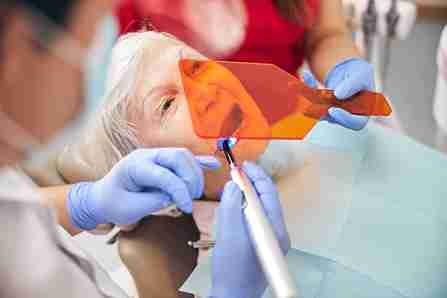
Severe bone loss in the upper jaw, also known as an atrophic maxilla, presents a significant challenge for dental restorations. Patients with substantial jawbone resorption often struggle with chewing, speaking, and maintaining facial aesthetics. Traditional dental implants require sufficient bone density to ensure stability, which is not always available in these cases. Fortunately, advancements in digital dentistry have made it possible to offer highly customisable solutions that restore both function and confidence. Subperiosteal implants, combined with cutting-edge digital technology, provide a reliable alternative for patients facing complex oral rehabilitation.
Understanding Atrophic Maxilla
An atrophic maxilla occurs when the upper jaw loses bone volume, typically following tooth loss, periodontal disease, or trauma. This condition can severely impact oral function and aesthetics, making simple tooth replacement difficult. Patients with an atrophic maxilla may experience:
- Difficulty biting and chewing food properly
- Altered facial structure due to bone resorption
- Limited options for conventional dental implants
- Compromised support for dentures or bridges
The severity of bone loss varies among individuals, and for those with significant resorption, conventional implant placement may be impossible without additional procedures such as bone grafting. This is where subperiosteal implants become a viable solution, particularly when combined with digital planning techniques.
What Are Subperiosteal Implants?
Subperiosteal implants are custom-designed frameworks that sit on top of the jawbone but beneath the gum tissue. Unlike conventional endosseous implants, which are inserted directly into the bone, subperiosteal implants bypass the need for substantial bone volume. This makes them particularly suitable for patients with severe atrophic maxilla who cannot undergo bone grafting.
Comparison of Conventional vs Subperiosteal Implants:
| Feature | Conventional Implant | Subperiosteal Implant |
| Placement | Into jawbone | On top of bone under gum |
| Bone Requirement | Adequate bone | Minimal bone needed |
| Procedure | Moderate complexity | Custom framework required |
| Ideal For | Standard edentulous cases | Severe bone resorption |
For patients considering dental implant Edinburgh, subperiosteal implants offer a reliable alternative that can restore both function and aesthetics without extensive preparatory surgery.

Digital Innovation in Subperiosteal Implants
The integration of digital technology has revolutionised the design and placement of subperiosteal implants. Using 3D imaging, such as CBCT scans, clinicians can precisely assess the anatomy of the jawbone and surrounding structures. CAD/CAM technology then allows for the creation of patient-specific frameworks that fit the contours of the bone perfectly.
Benefits of digital subperiosteal solutions include:
- Accurate, personalised fit for complex bone anatomy
- Reduced surgical time and invasiveness
- Minimized risk of complications during placement
- Predictable functional and aesthetic outcomes
Patients opting for Subperiosteal Dental Implants Edinburgh benefit from this digital workflow, which ensures implants are precisely tailored to their anatomy, improving both success rates and overall patient experience.
Step-by-Step Procedure
Placing digital subperiosteal implants involves a carefully coordinated process:
- Initial Consultation: Comprehensive examination and 3D imaging to evaluate bone structure and oral health.
- Digital Design: CAD/CAM software is used to create a framework that matches the patient’s jaw contours.
- Fabrication: The subperiosteal framework is manufactured using 3D printing or milling techniques.
- Surgical Placement: The implant is carefully positioned on the jawbone under local anaesthesia or sedation.
- Prosthetic Attachment: The dental prosthesis is secured to the framework, restoring function and aesthetics.
- Follow-Up Care: Regular monitoring ensures proper osseointegration and long-term stability.
Using a digital approach allows for precision at every step, minimising surgical risk and maximising patient comfort.
Advantages of Digital Subperiosteal Solutions
Digital subperiosteal implants offer several advantages over traditional approaches:
- Immediate restoration of oral function
- Avoidance of complex bone grafting procedures
- Customised design for optimal fit and comfort
- Reduced post-operative complications
- Faster recovery with less discomfort
Additionally, subperiosteal implants help maintain facial structure by supporting soft tissues and preserving jaw contours. This makes them an ideal solution for patients seeking both functional rehabilitation and improved aesthetics.
Risks and Considerations
While subperiosteal implants are generally safe and effective, potential risks include:
- Infection or inflammation at the surgical site
- Framework misfit or instability
- Gum irritation or slow healing
- Rare cases of implant failure
These risks can be minimised through meticulous digital planning, precise surgical execution, and careful post-operative care. Proper patient selection and adherence to follow-up appointments are critical to achieving long-term success.
Who Can Benefit Most?
Subperiosteal implants are especially suitable for:
- Patients with severe upper jaw bone loss
- Individuals unable or unwilling to undergo bone grafting
- Those seeking immediate functional and aesthetic restoration
Ideal candidates typically:
- Have minimal bone height in the maxilla
- Require custom-fit solutions for complex anatomy
- Desire predictable outcomes with shorter surgical times
By providing a personalised, minimally invasive approach, digital subperiosteal implants expand treatment options for patients who were previously limited to removable dentures or extensive grafting procedures.
Long-Term Outcomes and Maintenance
With proper oral hygiene and professional monitoring, subperiosteal implants offer durable results. Patients are advised to:
- Brush gently around the implant framework
- Use interdental brushes to remove plaque
- Attend regular dental check-ups
- Avoid excessive force or trauma to the implant site
Clinical studies indicate high success rates, with patients achieving restored chewing ability, improved speech, and enhanced facial aesthetics. Digital planning ensures these outcomes are predictable and long-lasting.

Dental Implant Edinburgh
Future Innovations in Subperiosteal Dentistry
Advancements in digital dentistry continue to improve the accessibility and precision of subperiosteal implants:
- Digital planning software allows for highly accurate implant positioning.
- CAD/CAM-guided surgical templates reduce human error during placement.
- Immediate loading protocols enable temporary prostheses while healing occurs.
These innovations make Dental Implant Edinburgh and subperiosteal dental implants Edinburgh more reliable than ever, offering patients minimally invasive, customised solutions for complex cases.
Conclusion
Digital subperiosteal implants provide a revolutionary solution for patients with atrophic maxilla, offering both functional and aesthetic restoration where conventional implants may not be viable. By combining advanced imaging, custom CAD/CAM frameworks, and precise surgical techniques, clinicians can deliver predictable outcomes with minimal discomfort.Patients considering Subperiosteal Dental Implants benefit from reduced surgical complexity, faster recovery, and long-term stability. Clinics such as Smilo Dental Implant Edinburgh continue to advance patient care by integrating modern digital technology with expert clinical practice, ensuring confident, healthy, and lasting smiles for those facing severe upper jaw bone loss.