
A slipping gear. A rough shift. A delay when you press the pedal. These signs worry any driver. The transmission controls how power moves from the engine to the wheels. When it fails the car feels weak and unsafe. Many people think replacement is the only answer. That belief costs more than it should. Skilled auto transmission rebuilders offer another path.
They restore performance by fixing what matters and keeping what still works. This blog explains how that process improves drivability and why it fits real driver needs.
What Goes Wrong Inside a Transmission
A transmission wears down over time. Heat breaks down fluid. Friction plates lose grip. Seals harden and leak. Sensors fail and confuse the system. Each issue affects how the vehicle responds. The car may hesitate or jerk during shifts. Fuel use may rise. Noise may appear during acceleration.
Transmission rebuilders start by understanding these symptoms. They listen to how the vehicle behaves on the road. They scan the system for stored data. They inspect fluid color and smell. These steps show where stress builds inside the unit. Instead of guessing they rely on patterns seen across many repairs. This knowledge allows them to focus on the true cause rather than surface signs.
The Rebuild Process Focuses on Precision
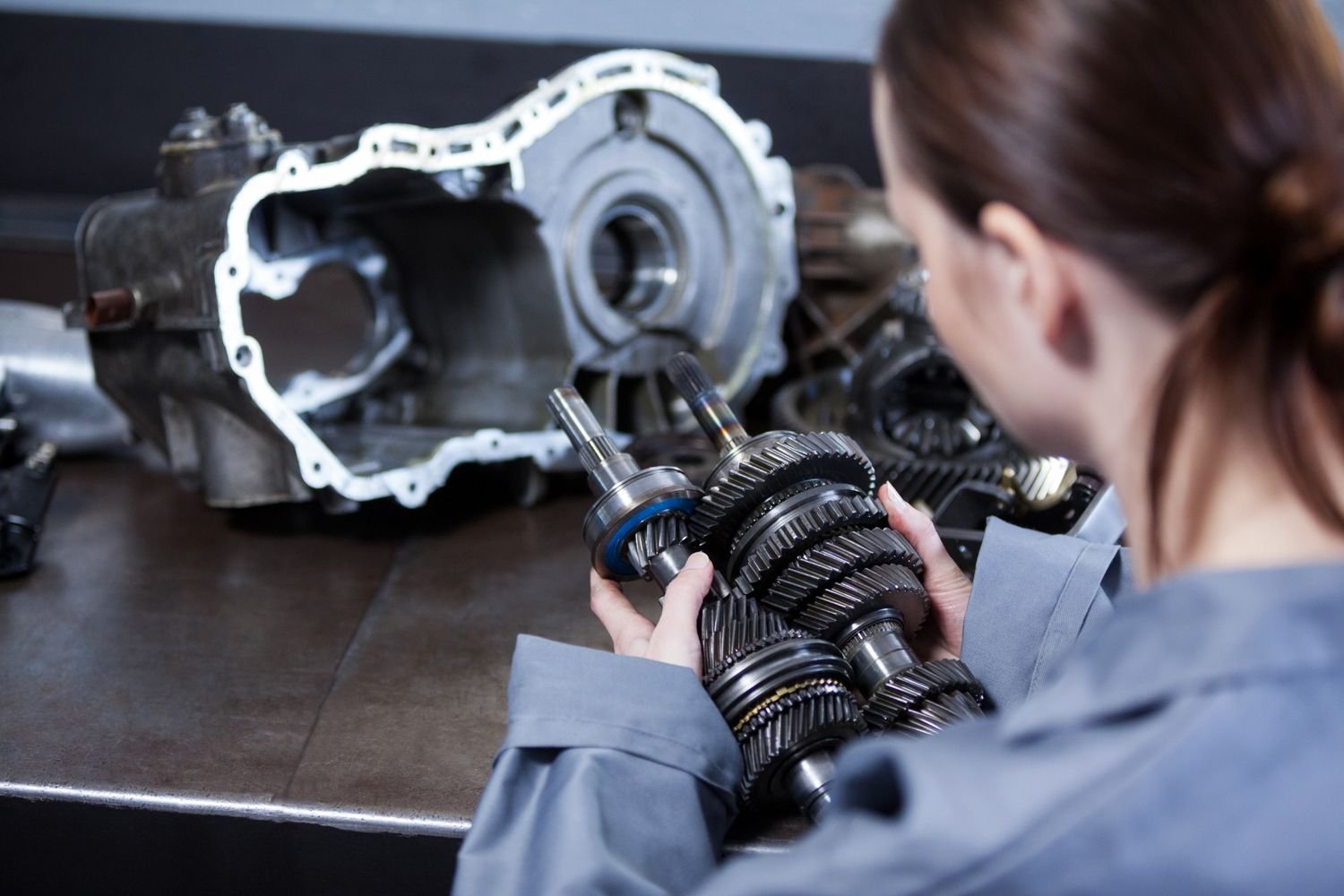
A rebuild is not a quick fix. It is a careful process. The technician removes the transmission and takes it apart. Each component gets cleaned and checked. Worn parts get replaced. Strong parts get reused. This balance keeps costs fair while restoring strength.
Transmission rebuilders pay close attention to tolerances. Even small gaps affect pressure and timing. They replace seals and gaskets to stop leaks. They inspect the torque converter and valve body. These parts control fluid flow and shift quality. When rebuilt with care the transmission works like it should again.
Technology Guides Smarter Repairs
Modern vehicles rely on electronics. The transmission talks to the engine and control modules. A rebuild today blends mechanical skill with digital insight. Technicians test solenoids and sensors. They update software when needed. This step ensures the rebuilt unit communicates clearly with the rest of the car.
Transmission rebuilders use test benches and road simulations. These tools measure pressure and response under load. They reveal problems before the unit returns to the vehicle. This approach reduces comebacks and improves trust. Drivers feel smoother shifts and stronger responses right away.
Why Rebuilding Improves Long Term Performance
A rebuild does more than fix a problem. It resets wear patterns. New friction surfaces grip better. Fresh fluid flows cleanly. Correct clearances reduce heat. These changes improve efficiency and extend life.
Transmission rebuilders often upgrade weak factory parts. They install improved materials or designs based on experience. This step addresses known trouble spots. The result is a transmission that handles daily driving with less strain. Performance stays consistent across city traffic and highway speeds.
Choosing the Right Service for Your Vehicle
Drivers want reliability. They want clear answers. A rebuild offers both when done right. It suits owners who plan to keep their vehicle. It also fits those who want value without cutting corners.
Transmission rebuilders provide tailored solutions. They consider driving habits and vehicle use. A commuter car has different needs than a work truck. This personal approach improves satisfaction. Drivers regain confidence in their vehicle and avoid repeat issues.
The Bottom Line
A failing transmission does not mean the end of vehicle performance. Rebuilding restores strength control and smooth operation. Skilled auto transmission rebuilders focus on accuracy and insight. They fix the cause, not just the symptom.
This service delivers lasting value and dependable driving. For drivers who want their vehicle to feel right again a professional rebuild offers a smart and proven solution.