
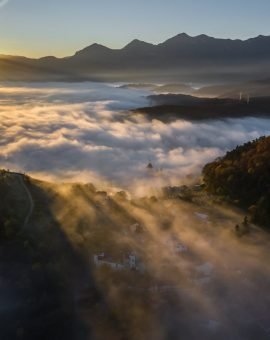
Aerial drone photography has revolutionized modern photography by offering breathtaking perspectives once possible only through helicopters or expensive aircraft. Today, drones allow photographers, businesses, filmmakers, real estate professionals, travelers, and content creators to capture stunning aerial visuals with greater accessibility and affordability.
From cinematic landscapes and architectural photography to commercial marketing and social media content, drone photography has become one of the fastest-growing creative industries worldwide.
In this article, we’ll explore what aerial drone photography is, its benefits, popular applications, essential equipment, legal considerations, and tips for capturing professional-quality aerial images.
What Is Aerial Drone Photography?
Aerial drone photography refers to capturing photos or videos using unmanned aerial vehicles (UAVs), commonly known as drones. These drones are equipped with high-resolution cameras and stabilization systems that allow photographers to shoot images from elevated or hard-to-reach viewpoints.
Unlike traditional photography, drone photography offers:
- Bird’s-eye perspectives
- Dynamic movement
- Wide landscape coverage
- Creative composition opportunities
- Unique cinematic visuals
Modern drones are compact, intelligent, and capable of capturing ultra-high-definition images and video with incredible precision.
Why Aerial Drone Photography Has Become So Popular
Drone photography has gained popularity because it combines creativity, technology, and accessibility.
In the past, aerial photography required:
- Helicopter rentals
- Specialized pilots
- Expensive equipment
- Large production budgets
Today, drones have dramatically lowered those barriers.
Key Reasons for Its Popularity:
1. Unique Perspectives
Drone photography creates angles impossible to achieve with handheld cameras.
Aerial views reveal:
- Patterns
- Symmetry
- Landscapes
- Architecture
- Natural formations
This unique viewpoint instantly makes photos more visually engaging.
2. Affordable Professional Content
Businesses can now produce cinematic-quality visuals without massive production costs.
Industries like:
- Real estate
- Tourism
- Construction
- Hospitality
- Events
- Agriculture
regularly use drone photography for marketing and documentation.
3. Social Media Demand
Platforms like Instagram, YouTube, and TikTok have fueled demand for visually stunning content.
Aerial footage:
- Captures attention quickly
- Enhances storytelling
- Improves engagement
- Creates premium branding
Drone visuals often stand out more than traditional photography.
Common Uses of Aerial Drone Photography
Drone photography serves many industries and creative purposes.
Real Estate Photography
Real estate is one of the largest markets for drone photography.
Aerial images help showcase:
- Property size
- Landscaping
- Neighborhood surroundings
- Proximity to landmarks
- Exterior features
Luxury homes, resorts, and commercial properties especially benefit from aerial visuals.
Drone footage gives buyers a better understanding of the property layout and environment.
Travel and Tourism
Tourism brands use drone photography to promote destinations through immersive visuals.
Popular aerial subjects include:
- Beaches
- Mountains
- Resorts
- Cities
- National parks
- Historical landmarks
Drone content creates emotional connections by highlighting the beauty and scale of destinations.
Wedding and Event Coverage
Drone photography has become increasingly popular for weddings and large outdoor events.
Aerial shots can capture:
- Entire venues
- Group photos
- Ceremony locations
- Scenic surroundings
- Cinematic event footage
These visuals add a dramatic and memorable element to event storytelling.
Construction and Infrastructure
Construction companies use drones for:
- Site monitoring
- Progress tracking
- Safety inspections
- Surveying
- Mapping
Drone photography improves efficiency while reducing the need for risky manual inspections.
Agriculture and Farming
Modern agriculture uses drones for:
- Crop monitoring
- Irrigation analysis
- Land assessment
- Field mapping
Aerial imaging helps farmers make data-driven decisions and improve productivity.
Film and Cinematic Production
Drones have transformed filmmaking by enabling cinematic aerial shots at lower costs.
Drone cinematography is now widely used in:
- Movies
- Commercials
- Music videos
- Documentaries
- Sports coverage
Smooth aerial movements create dramatic storytelling opportunities.
Essential Equipment for Drone Photography
Choosing the right equipment is critical for producing high-quality aerial content.
The Drone
The drone itself is the foundation of aerial photography.
Popular drone features include:
- High-resolution cameras
- GPS stabilization
- Obstacle avoidance
- Intelligent flight modes
- Long battery life
- 4K or 8K video recording
Professional photographers often prioritize image quality, sensor size, and flight stability.
Camera Quality
Image quality depends heavily on camera capabilities.
Important camera features include:
- Sensor size
- Dynamic range
- Low-light performance
- RAW image support
- Stabilization systems
Larger sensors typically produce sharper images with better color accuracy.
Gimbal Stabilization
Most professional drones include gimbal stabilization systems.
A gimbal helps:
- Reduce camera shake
- Improve smoothness
- Maintain horizon balance
- Produce cinematic footage
Stable footage is essential for professional-quality aerial content.
Extra Batteries
Drone battery life is limited, usually ranging between 20–45 minutes depending on the model.
Professional drone photographers carry multiple batteries to maximize shooting time.
ND Filters
Neutral density (ND) filters help control light exposure during bright conditions.
They improve:
- Motion blur
- Video smoothness
- Exposure control
- Cinematic quality
ND filters are especially important for video production.
Tips for Capturing Stunning Drone Photography
Great drone photography requires more than flying skills.
Composition, lighting, timing, and creativity all matter.
Shoot During Golden Hour
The best lighting usually occurs:
- Shortly after sunrise
- Before sunset
Golden hour provides:
- Soft shadows
- Warm tones
- Better depth
- Dramatic landscapes
Harsh midday light can flatten images and reduce visual impact.
Use Leading Lines
Roads, rivers, coastlines, and bridges create strong visual composition from above.
Leading lines guide the viewer’s eye through the image and create more dynamic photos.
Focus on Symmetry and Patterns
Aerial perspectives reveal patterns often invisible from the ground.
Examples include:
- Agricultural fields
- City streets
- Buildings
- Waves
- Forests
Symmetry creates visually satisfying images.
Experiment With Altitude
Changing altitude dramatically changes composition.
Low-altitude shots:
- Feel immersive
- Highlight detail
High-altitude shots:
- Showcase scale
- Reveal patterns
- Capture broader environments
Experimenting with height creates more creative possibilities.
Plan Your Flight
Professional drone photography often requires pre-planning.
Before flying:
- Check weather conditions
- Research the location
- Study lighting direction
- Identify obstacles
- Review local drone laws
Planning improves safety and image quality.
Drone Photography Laws and Regulations
Drone operators must follow local aviation laws and safety regulations.
Rules vary by country, but common regulations include:
- Maximum flight altitude limits
- No-fly zones
- Airport restrictions
- Registration requirements
- Privacy rules
Some locations require commercial drone licenses or certifications.
Ignoring regulations can lead to fines or legal issues.
Always research local drone laws before flying.
Safety Considerations
Drone safety is critical for both operators and the public.
Best practices include:
- Maintaining visual line of sight
- Avoiding crowded areas
- Monitoring weather conditions
- Checking battery levels
- Respecting privacy
- Avoiding wildlife disturbance
Safe operation protects equipment and prevents accidents.
Editing Aerial Drone Photos
Post-processing helps enhance aerial imagery professionally.
Common editing adjustments include:
- Color correction
- Contrast enhancement
- Exposure balancing
- Sharpening
- Perspective correction
Editing software allows photographers to create polished, cinematic visuals.
However, overediting can reduce realism and image quality.
The Future of Aerial Drone Photography
Drone technology continues to evolve rapidly.
Future innovations may include:
- AI-powered flight systems
- Improved obstacle avoidance
- Longer battery life
- Higher-resolution cameras
- Autonomous tracking
- Advanced mapping capabilities
As drones become more intelligent and accessible, aerial photography will continue expanding across industries.
Business Opportunities in Drone Photography
Drone photography also creates strong business opportunities.
Professional drone services are in demand for:
- Real estate marketing
- Tourism promotion
- Weddings
- Corporate videos
- Construction documentation
- Social media content creation
Skilled drone photographers can build profitable freelance businesses or creative agencies.
As visual marketing becomes increasingly important, demand for aerial content continues growing.
Final Thoughts
Aerial drone photography has transformed visual storytelling by making stunning aerial perspectives accessible to photographers, creators, and businesses worldwide.
Whether used for real estate, travel, filmmaking, events, or commercial marketing, drone photography offers creative possibilities that traditional photography simply cannot match.
Success in drone photography requires:
- Technical skill
- Creative composition
- Safety awareness
- Proper equipment
- Understanding of lighting and storytelling
As drone technology advances, aerial photography will continue shaping the future of visual content creation.
For photographers and businesses alike, aerial drone photography is no longer just a trend—it’s an essential tool for capturing the world from a whole new perspective.