
Your attic plays a bigger role in your home’s comfort, air quality, and energy efficiency than most homeowners realize. While insulation is designed to last for years, it doesn’t last forever – and in some cases, keeping old insulation can actually do more harm than good.
At Attic Renew 360, we often meet homeowners who are unsure whether they need attic insulation removal or just an upgrade. This expert guide will walk you through the clear warning signs, health risks, and performance issues that signal it’s time to remove old attic insulation.
Why Old Attic Insulation Can Become a Problem?
Insulation is meant to regulate indoor temperature and reduce energy costs. However, over time, it can:
- Become compressed or deteriorated
- Absorb moisture
- Get contaminated by rodents or pests
- Develop mold
- Lose its R-value (thermal resistance)
When insulation no longer performs properly, your HVAC system works harder, your utility bills rise, and your indoor air quality may suffer.
The key question is not just “Is my insulation old?” but rather:
Is it still doing its job safely and effectively?
7 Signs You Should Remove Old Attic Insulation
1. Rodent or Pest Infestation
One of the most common reasons for insulation removal is rodent contamination. Rats, mice, squirrels, and other pests often nest inside attic insulation.
If you notice:
- Droppings
- Urine odors
- Chewed wiring
- Scratching noises
- Nesting materials
Your insulation is likely contaminated.
Rodent urine and feces can carry bacteria and allergens. Even if the pests are gone, contaminated insulation should be professionally removed. Simply adding new insulation over the top will trap bacteria and odors inside your attic.
2. Mold Growth or Moisture Damage
Moisture is insulation’s worst enemy.
Leaks from the roof, poor ventilation, or high humidity levels can cause insulation to become damp. Wet insulation loses its effectiveness and can quickly become a breeding ground for mold.
Warning signs include:
- Musty odors
- Visible mold on wood beams
- Dark or discolored insulation
- Water stains
Mold spores can circulate through your home’s HVAC system, affecting air quality and potentially causing respiratory issues.
If mold is present, removal is not optional — it’s necessary.
3. Insulation Is Over 15–20 Years Old
While some insulation materials can last decades, many older homes have insulation that is:
- Outdated
- Low R-value
- Settled or compressed
- Inefficient by modern standards
Building codes and energy efficiency standards have improved significantly. What was considered adequate insulation 20 years ago may no longer meet today’s efficiency expectations.
If your home is older and has never had insulation updated, it’s worth scheduling an inspection.
4. Rising Energy Bills
If your heating and cooling costs have steadily increased – and your HVAC system is functioning properly – insulation may be the culprit.
Old or damaged insulation allows heat to escape in winter and enter in summer. This forces your system to run longer and work harder.
Removing ineffective insulation and replacing it with modern, high-performance material can significantly reduce energy waste.
5. Insulation Has Settled or Compressed
Blown-in insulation naturally settles over time. When this happens, the insulation layer becomes too thin to provide adequate thermal protection.
Signs include:
- Uneven insulation levels
- Visible joists in the attic
- Gaps in coverage
If the material is simply low but clean and dry, you may only need additional insulation. However, if it’s dirty, contaminated, or degraded, full removal is often the best long-term solution.
6. Smoke or Fire Damage
If your home has experienced a fire – even a minor one – attic insulation can absorb smoke and soot particles.
Smoke-damaged insulation:
- Retains strong odors
- Contains harmful particles
- Cannot be fully cleaned
In these cases, professional removal ensures your home is safe and odor-free.
7. You’re Planning a Major Renovation
If you’re upgrading your HVAC system, sealing air leaks, or converting attic space, removing old insulation may be part of the process.
Removal allows contractors to:
- Inspect for hidden damage
- Air seal properly
- Install new insulation evenly
- Improve ventilation
Starting fresh often leads to better long-term performance.
Can You Just Add New Insulation Over the Old?
This is one of the most common questions we hear at Attic Renew 360.
The answer depends on the condition of your existing insulation.
You can add new insulation if:
- The old insulation is dry
- There’s no mold
- There’s no pest contamination
- It hasn’t deteriorated
You should remove it first if:
- It’s contaminated
- It smells
- It’s moldy
- It’s heavily compressed
- It contains hazardous materials
Layering new insulation over damaged material can trap moisture and contaminants, leading to bigger problems down the line.
Health Risks of Keeping Contaminated Insulation
Old attic insulation can directly impact indoor air quality.
Potential health risks include:
- Allergies
- Asthma flare-ups
- Respiratory irritation
- Bacterial exposure
- Mold-related illness
Because air from the attic can circulate into living spaces, contamination above your ceiling doesn’t stay isolated.
If your household experiences unexplained allergy symptoms, your attic may be part of the issue.
How Much Does Attic Insulation Removal Cost?
Costs vary depending on:
- Attic size
- Type of insulation
- Level of contamination
- Accessibility
- Required sanitization
While removal is an investment, it often pays off through:
- Lower energy bills
- Improved comfort
- Better indoor air quality
- Increased home value
A professional inspection provides the most accurate estimate.
Why Professional Removal is Safer Than DIY?
Removing insulation yourself can expose you to:
- Mold spores
- Rodent droppings
- Fiberglass particles
- Hazardous dust
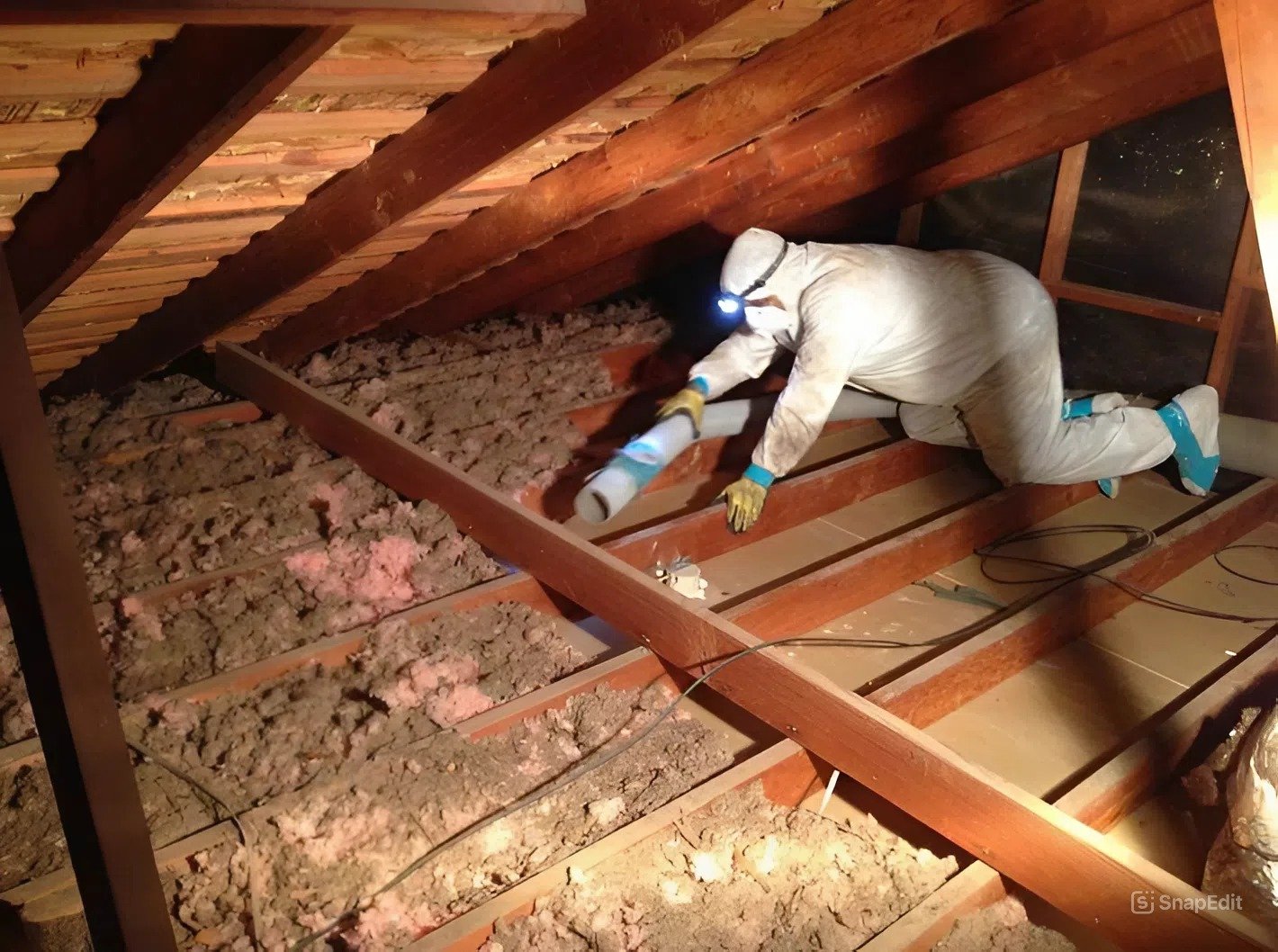
Professional crews use protective gear and commercial-grade vacuums designed specifically for safe removal.
Improper DIY removal can spread contaminants throughout your home.
How Often Should Attic Insulation Be Checked?
We recommend an attic inspection every 3–5 years, or immediately if you notice:
- Pest activity
- Roof leaks
- Rising energy bills
- Indoor air quality issues
Early detection prevents small issues from becoming costly problems.
Conclusion
Old attic insulation doesn’t just lose effectiveness – it can actively harm your home’s efficiency and air quality.
You should strongly consider insulation removal if:
- There’s pest contamination
- Mold or moisture is present
- Insulation is over 20 years old
- Energy bills are increasing
- Odors persist in your home
Replacing compromised insulation with modern materials restores comfort, improves efficiency, and protects your family’s health. Read more blogs on Blog Chowk today!