
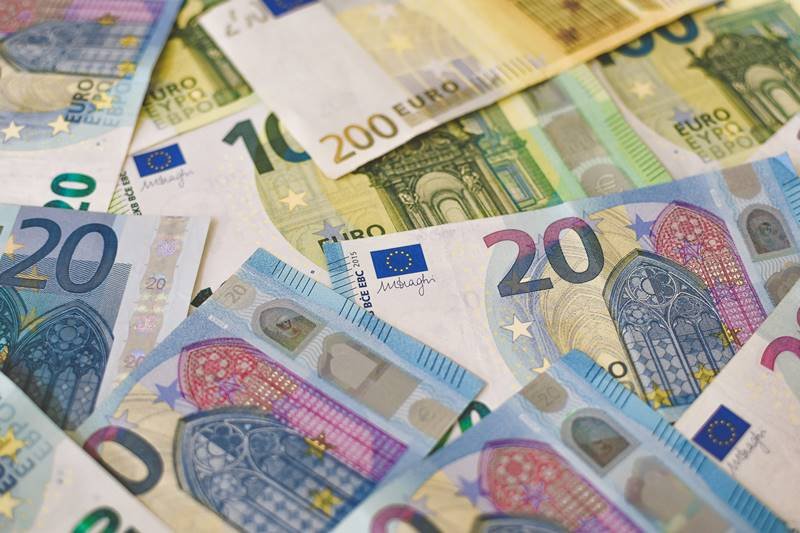
Managing your money wisely while traveling in Lithuania can help you avoid unnecessary fees and get the best value for your currency. As a member of the Euro zone, Lithuania uses the euro (EUR), making transactions straightforward for travelers from other euro countries. However, visitors from the UK, US, or elsewhere should follow few practices for exchanging to minimize exchange costs.
Avoid Airport and Hotel Exchange Counters
It might seem easy to exchange money at airports or hotels, but this is usually an expensive place as the exchange rates and service fees are typically very high. It is best for the most part to wait until you reach your destination. If you are arriving at Vilnius International Airport, it is best to not exchange large amounts of money when you arrive, but rather go to a reputable currency exchange in Lithuania, where the exchange rate will be much better than the one at the airport. You can use an online currency converter to know the current exchange rates to make a well informed decision.
Avoid DCC (Dynamic Currency Conversion)
A key tip in saving money is avoiding DCC (Dynamic Currency Conversion). When you are making a purchase using a card, you may be presented with an option on the terminal asking if you would like to pay in pounds or dollars (your home currency) or euros (EUR). Always choose to pay in euros (EUR).
If you select to use your home currency, the merchant’s payment processor determines the exchange rate, which may be much worse than the exchange rate your bank sets, plus there may be additional fees associated with using your home currency. If you choose to use euros (EUR), your bank will convert the currency, which is typically at a better rate than the rate used by the payment processor.
Understand Exchange Fees
Currency exchange in Lithuania through local exchange offices is usually transparent; however, it is still recommended to request information about the fee for the service before proceeding with an exchange to ensure that you do not incur unexpected charges from service providers (for example, a fee can be as low as €2 for exchanging more than €15). There is likely to be no fee for exchanging smaller amounts, although this policy may differ from location to location, so be sure to verify the exact amount you are going to receive before proceeding.
If you are exchanging a considerable sum, check out a few different exchange offices to see if there is a difference in rates; the rate difference for larger amounts can have a significant impact on the money returned after the exchange.
Use multi-currency cards
Many travelers use digital bank services like Wise now that they offer multi-currency accounts at competitive exchange rates to the mid-market rate and with lower foreign transaction fees than traditional banks, while allowing you to hold and convert money ahead of time, which allows you to better manage the timing of your exchanges and costs.
General safety tips
Lithuania is a safe country; however, basic safety precautions should still be followed. For example, try not to carry a large amount of cash on your person, use ATMs inside banks or shopping centres (if possible to do so), and review your transactions in your bank’s mobile banking application to be aware of any issues that you may have to address at a later date. In addition, keep any receipts that you have in case you need to verify and trace expenses or dispute charges.
If you’re travelling in Lithuania, the best way to manage your finances is with a credit/debit card for most purchases and to carry a little bit of cash on you as a backup. Additionally, avoid exchanging currencies at the airport and say no to dynamic currency conversion and always compare the amount you will receive from each exchange service for currency before doing the exchange. By following these guidelines, you will be able to enjoy your trip without losing any money due to excessive charges.