
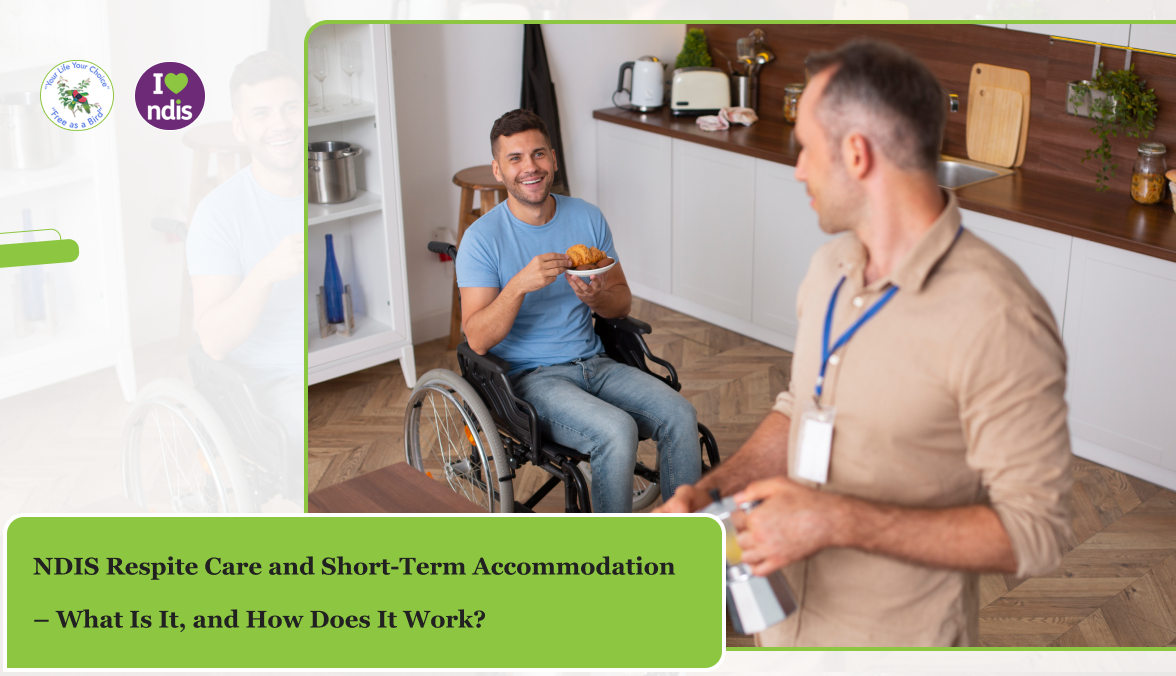
Trust is a cornerstone of effective NDIS Respite Care. For families and participants in Perth, accessing respite services often involves inviting external providers into homes, communities, or supporting stays in Short-Term Accommodation (STA). Knowing that care is reliable, safe, and personalised gives both carers and participants confidence and peace of mind.
High-quality respite services focus on wellbeing, safety, and social inclusion while respecting participant preferences. When trust underpins service delivery, families can plan breaks, support skill-building, and engage in community participation without constant concern for risk or inconsistencies in care.
Understanding how to identify and select trustworthy providers ensures that NDIS Respite Care not only delivers practical support but also strengthens relationships between participants, families, and care professionals in Perth.
Why Trust Is Fundamental in NDIS Respite Care
Trust matters because NDIS Respite Care often involves intimate personal care, daily living support, and community engagement. Families in Perth rely on providers to maintain participant dignity, safety, and continuity of care. Without trust, carers may hesitate to access support, which can increase stress and reduce the overall benefits of respite.
Transparent communication, adherence to safety protocols, and a history of reliability are indicators of a trusted service. Trust also allows participants to feel secure when engaging in social activities or STA stays, supporting emotional and social wellbeing.
Key Qualities of Trustworthy Providers
A trustworthy provider demonstrates:
- Compliance with NDIS safety and quality standards.
- Transparent and timely communication with families.
- Staff trained in person-centred, disability-specific support.
- Respect for participant preferences, consent, and privacy.
- Consistent delivery of planned respite and flexibility for emergency needs.
These qualities ensure participants and carers can confidently access services in Perth without compromising safety or wellbeing.
Safety, Privacy, and Communication Standards
Trust in NDIS Respite Care relies heavily on clear safety measures, privacy protection, and open communication. Providers must ensure that:
- Personal information is handled securely.
- Care plans are clearly communicated and agreed upon.
- Feedback channels are available for participants and families.
- Staff respond promptly to concerns or changes in care needs.
Such practices provide reassurance for Perth families and help maintain participant confidence in respite programs.
In-Home, Community-Based, and STA Options
Trusted NDIS Respite Care services offer flexibility, including:
- In-home support for daily living and personal care.
- Community-based programs to encourage social interaction and skill development.
- Short-Term Accommodation (STA) stays for planned or emergency respite.
These options allow participants to engage safely while caregivers take time to rest, manage commitments, or recharge, reinforcing trust in the service system.
Differences from Long-Term Supports such as SIL
Unlike SIL, which provides ongoing, long-term accommodation and support, NDIS Respite Care is temporary and flexible. Trust is especially important for short-term arrangements because families must rely on providers to deliver consistent, high-quality care without extended oversight.
Understanding this distinction helps Perth families select services that meet immediate wellbeing and caregiving needs without compromising participant safety or independence.
Role of NDIS Registered Providers in Ensuring Trust
NDIS registered providers offer accountability, training, and quality oversight that non-registered providers may not. In Perth, registered providers follow NDIS practice standards, conduct regular staff training, and maintain robust safety and communication systems.
Engaging registered providers assures families that staff are qualified, care plans are monitored, and any issues are addressed promptly, building trust and confidence in NDIS Respite Care.
Planning, Funding, and Eligibility Guidance
Families must understand how funding and planning affect access to trusted respite services. NDIS Respite Care funding typically comes from Core Supports, with eligibility based on participant needs and caregiver requirements.
Working closely with providers, families in Perth can schedule respite, plan STA stays, and align services with NDIS plan goals while ensuring trustworthiness and quality standards are upheld.
Evaluating Trustworthiness of Providers
To assess whether a provider is trustworthy, families should consider:
- Credentials and NDIS registration status.
- References or feedback from other local families.
- Staff training in disability support, first aid, and safety protocols.
- Transparency in pricing, policies, and emergency procedures.
- Commitment to person-centred, tailored care plans.
These steps allow Perth families to make informed decisions that prioritise safety, reliability, and participant wellbeing.
Expert Insights on Trustworthy NDIS Respite Care
Why is trust so important for families?
Trust ensures that participants receive safe, reliable, and respectful care, allowing caregivers in Perth to plan breaks confidently without ongoing worry.
How do providers maintain trust?
By adhering to NDIS practice standards, training staff, communicating openly with families, and monitoring care quality consistently.
What role does STA play in building trust?
Short-Term Accommodation (STA) provides structured, supervised stays, giving families confidence that participants are safe and engaged while caregivers take a break.
How does trust differ from SIL supports?
Trust in respite relies on reliability and flexibility for short-term care, whereas SIL trust focuses on long-term accommodation and continuous support.
Why choose NDIS registered providers?
Registered providers offer verified qualifications, compliance with NDIS standards, and robust monitoring, giving families reassurance about safety and quality.
How can families evaluate provider trustworthiness?
Checking credentials, reviewing policies, speaking with other families, and observing staff interactions helps Perth families select providers that meet high standards of care.
Frequently Asked Questions
Who benefits from trustworthy NDIS Respite Care in Perth?
Participants of all ages and their families benefit, especially when providers maintain safety, transparency, and high-quality support during in-home, community, or STA services.
How do I know a provider is safe and reliable?
Look for NDIS registration, staff training, clear communication, and compliance with safety standards. Families can also seek references from other local carers.
What distinguishes NDIS Respite Care from SIL?
Respite provides short-term relief and wellbeing support, while SIL offers ongoing, long-term assistance with daily living and accommodation.
Can STA options be trusted for overnight care?
Yes, Short-Term Accommodation (STA) with registered providers offers structured supervision, personalised care plans, and adherence to safety standards.
How can families plan for trustworthy respite?
Collaborate with providers on scheduling, care preferences, and emergency plans, ensuring services align with NDIS goals and family expectations.
What role do NDIS registered providers play?
They ensure qualified staff, quality monitoring, and compliance with NDIS standards, which builds trust and confidence in care delivery.
Is trust only about safety?
No, trust also involves reliability, communication, respect for participant preferences, and consistency in delivering planned respite and emergency support.
Conclusion
Trust is essential in NDIS Respite Care services in Perth, enabling families and participants to engage confidently with providers. By selecting registered, qualified, and communicative services, carers can plan short-term or emergency respite knowing that safety, wellbeing, and personalised support are prioritised. Trust strengthens relationships, reduces caregiver stress, and ensures participants experience reliable, high-quality care that enhances independence and social inclusion.