
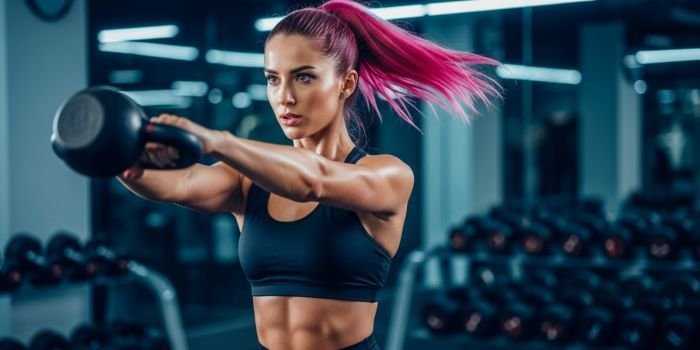
The year 2026 marks a transformative moment in the global wellness movement. Driven by technological breakthroughs, shifting lifestyle priorities, and a growing awareness of holistic health, Fitness Trends are evolving faster than ever before. What was once considered innovative—like wearable trackers or on-demand workouts—has now become standard. Today’s landscape is defined by personalization, mindfulness, longevity, and highly immersive experiences that blend the physical and digital worlds.
As we look ahead, here are the top Fitness Trends shaping the future of wellness in 2026.
1. Hyper-Personalized Fitness Ecosystems
Personalization is no longer limited to simple workout recommendations. In 2026, fitness has entered the era of hyper-personalized ecosystems, where AI-powered platforms adapt to an individual’s biometrics, mental state, recovery metrics, and long-term goals.
Modern apps integrate genetic insights, microbiome indicators, and continuous health data collected from advanced wearables. Organizations like the World Health Organization emphasize the importance of tailored lifestyle interventions, and tech innovators are responding with precision coaching systems.
Expect customized:
- Training programs based on stress levels
- Nutrition plans aligned with circadian rhythms
- Recovery protocols informed by sleep cycles
This trend signals a shift from generalized fitness to deeply individualized wellness strategies.
2. VR, AR, and Mixed-Reality Workouts Go Mainstream
What began as a novelty has now become a fully immersive fitness category. Mixed-reality platforms allow people to experience next-level engagement—from boxing in virtual arenas to hiking photorealistic landscapes.
In 2026, gyms and home users alike are integrating:
- VR fitness games with real-time metabolic tracking
- AR overlays that guide movement accuracy
- Mixed-reality group classes where participants from multiple locations train together
These immersive workouts make training more enjoyable and have proven to increase consistency, one of the most important predictors of long-term success.
3. Recovery-First Training Models
Once treated as optional, recovery has become a central pillar of wellness. Research from organizations like the American College of Sports Medicine shows how strategic recovery boosts performance, reduces injury, and supports longevity.
In 2026, recovery-first models include:
- AI-guided stretch and mobility routines
- Infrared and red-light therapy at home
- Smart compression systems that detect inflammation
- Breathwork paired with biometrics for nervous-system regulation
As the workforce becomes increasingly remote and stress levels remain high, consumers are prioritizing restoration as much as physical intensity.
4. Longevity-Driven Fitness
Longevity is no longer a niche interest—it’s the core philosophy behind many of today’s Fitness Trends. Rather than focusing on aesthetics, people are choosing habits that support long-term vitality.
Key components of longevity-driven training include:
- Low-impact strength training for joint preservation
- Mobility and functional movement programs
- Zone-2 cardio for metabolic health
- Hormone-balancing protocols through exercise and sleep
The rise of longevity clinics and wellness brands points toward a cultural shift: fitness is increasingly about improving your healthspan, not just your appearance.
5. Hybrid Gyms and Flexible Membership Models
The fitness industry matured rapidly during the pandemic years, and by 2026, hybrid models have become the norm. Members now expect the flexibility to train both in-person and online without sacrificing quality.
Hybrid wellness ecosystems offer:
- Live-streamed personal training
- On-demand studio classes
- Integrated performance dashboards accessible from home or gym
- Memberships that include digital coaching, nutrition guidance, and recovery tools
This evolution has made fitness more inclusive and adaptable, especially for people with busy or unpredictable schedules.
6. Strength Training Dominates—Especially Among Women
Strength training has officially taken the spotlight in 2026. Once overshadowed by cardio, lifting is now recognized as one of the most effective tools for metabolic health, mental well-being, and longevity.
Notably, there is a historic rise in women embracing strength training. Social media, education, and science-backed content have debunked myths, leading to:
- More women entering free-weight zones
- Growth of female-centric strength communities
- Increased demand for form-tracking wearables and AI form-correction tools
The cultural shift is powerful: strength is being celebrated as a universal foundation for health.
7. Corporate Wellness 3.0
Workplaces are redefining wellness in 2026. As remote and hybrid work continues, employers are investing heavily in holistic employee-wellness programs.
The new generation of corporate wellness includes:
- Virtual fitness memberships
- Company-sponsored biomarker testing
- Mindfulness and stress-reduction coaching
- Ergonomic assessments and movement-friendly workspace design
Forward-thinking employers see wellness as a retention tool, productivity booster, and essential component of company culture.
8. Mind-Body Integration and Holistic Wellness
Mental wellness is now inseparable from physical fitness. In 2026, holistic well-being is embedded into nearly every Fitness Trend.
Today’s mind-body integration includes:
- Adaptive meditation platforms
- Emotional-fitness apps
- Yoga and breathwork tied to HRV metrics
- Fitness programs designed to reduce burnout
People increasingly recognize that mindfulness is not an alternative to fitness—it’s an essential extension of it.
9. Sustainable Fitness and Eco-Friendly Gyms
Environmental consciousness is influencing wellness decisions in a major way. Sustainability is now a deciding factor for many consumers choosing gyms, sportswear brands, and fitness products.
Eco-focused innovations include:
- Gyms powered partly by energy-generating cardio machines
- Workout gear created from recycled or plant-based materials
- Sustainable fitness equipment with long lifespans
- Outdoor movement programs that blend nature and exercise
As eco-awareness grows, sustainability will continue shaping consumer expectations.
10. Micro-Workouts and “Exercise Snacking”
Time constraints continue to redefine how people train. In 2026, micro-workouts—short bouts of movement done throughout the day—are replacing long, traditional sessions.
Benefits of exercise snacking:
- Easily customizable
- Highly accessible for all fitness levels
- Proven to improve metabolic health
- Ideal for remote workers and busy professionals
This trend aligns perfectly with the reality of modern life: consistent movement matters more than long workouts.
Final Thoughts: The Future of Wellness Is Smarter, Holistic, and More Human
The Fitness Trends shaping 2026 reveal a world where technology empowers personal health, but the focus remains deeply human. Whether through immersive training, longevity-focused routines, sustainability, or mental-wellness integration, the future of fitness is more intuitive and accessible than ever.
The direction is clear: wellness is no longer a separate part of life—it’s becoming built into everyday living. As these trends continue developing, individuals, brands, and communities have a unique opportunity to shape a healthier, more balanced future. Read More.