
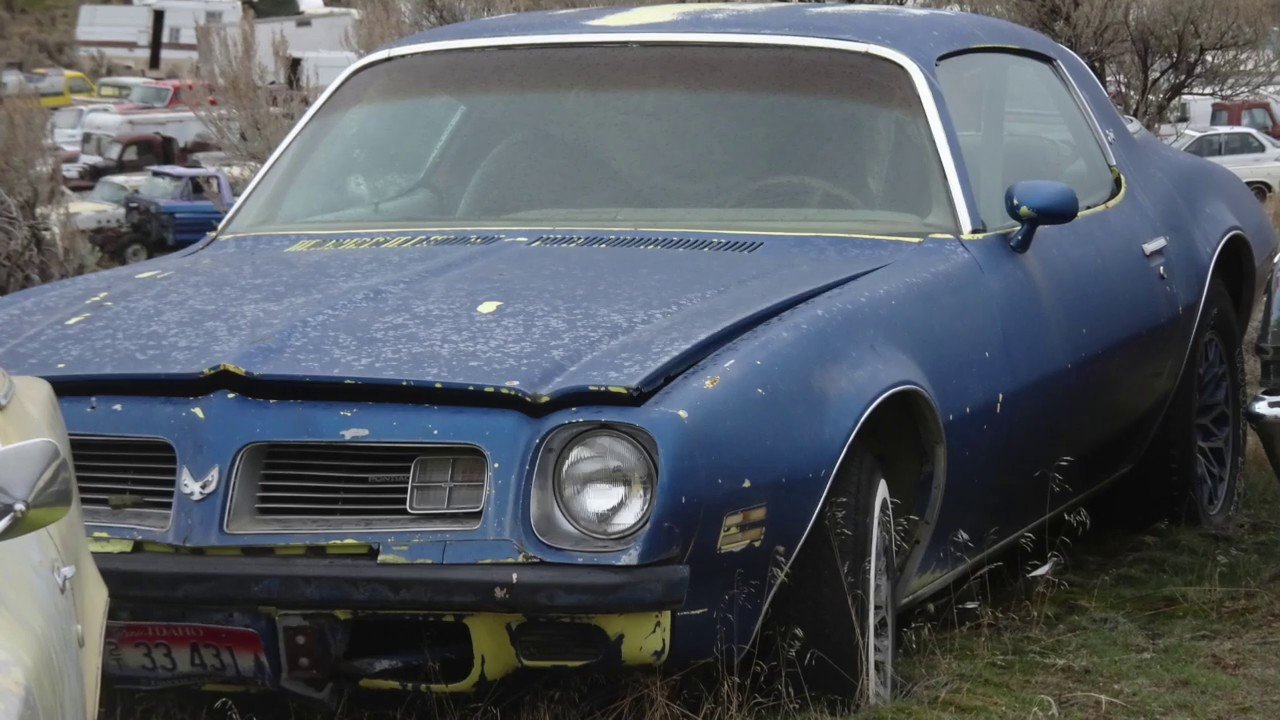
Letting go of an old vehicle is not always an easy decision. Many cars hold memories, yet time, wear, and ongoing issues often make ownership difficult. Before taking the final step, it is important to prepare properly. Preparation helps avoid legal trouble, lost items, and unnecessary delays.
This guide explains the key steps to take before letting go of an old vehicle in Melbourne. Each step is practical and focused on making the process clear and organised.
Decide Why the Vehicle Needs to Go
The first step is understanding why the vehicle no longer fits your needs. Some cars reach a point where repairs keep returning. Others sit unused and take up space. High fuel use, safety concerns, or mechanical faults often lead owners to move on.
Knowing the reason helps guide the next steps. It also helps explain the vehicle condition to buyers later.
Check the Overall Condition
Take time to look at the vehicle closely. Walk around it. Check the body for rust, dents, and broken parts. Open the bonnet and look for leaks or damaged components.
Inside the car, check seats, dashboard, and controls. Note any warning lights on the dash. Write down what works and what does not. Clear notes help later discussions and prevent confusion.
Decide Whether Repairs Are Worthwhile
Many owners think about repairs before selling. This step needs careful thought. Repairs on older vehicles often cost more than expected. Labour charges and repeat faults add pressure.
Compare repair costs with the vehicle age and condition. If repairs cost more than the car is worth or keep returning, moving on often makes more sense.
Gather Ownership Documents
Documents play a key role. Proof of ownership is required in Victoria. This may include registration papers or other transfer records.
If the vehicle is unregistered, ownership proof still matters. Keep personal identification ready. These steps support a legal and clean transfer.
Check Registration Status
Find out whether the vehicle is registered. Registration status helps buyers understand recent use. It also affects how the vehicle can be transferred.
If registration has expired, note the date. This helps avoid confusion later. Unregistered vehicles can still be let go, though the steps differ.
Remove Personal Belongings
Many items are left behind in old cars. Check the glove box, boot, door pockets, and under seats. Remove paperwork, tools, chargers, and personal items.
Clear the car fully. Once the vehicle leaves your possession, items left inside may not be returned.
Cancel Insurance and Road Services
If the vehicle is insured, contact the insurer and cancel the policy. Some insurers may offer refunds for unused periods.
Also cancel roadside assistance linked to the car. This avoids future charges for a vehicle no longer owned.
Remove Number Plates if Required
In Victoria, number plate handling depends on the situation. For some transfers or unregistered vehicles, plates need to be removed and returned.
Check current guidelines and follow the correct process. Keep receipts or confirmation where required.
Understand Environmental Responsibilities
Vehicles contain fluids such as oil, coolant, and fuel. These must be handled properly. Disposal rules in Victoria focus on reducing environmental harm.
Buyers consider these rules during assessment. Knowing this helps explain why some vehicles need special handling.
Consider How the Vehicle Will Be Let Go
There are different ways to let go of an old vehicle. Private sales often take time and may not suit cars with faults. Dealerships usually focus on newer vehicles.
Some owners choose services that handle older vehicles based on parts and materials rather than road use. This suits cars that no longer run or need major work.
A Practical Path for Older Vehicle
When an old vehicle reaches a stage where use is no longer practical, services such as cash for scrap cars melbourne fit naturally into the process. These services focus on vehicles with age, wear, or faults. They assess the car based on its condition, materials, and remaining components rather than daily driving use. This approach aligns with the steps already taken, such as document checks and vehicle assessment. Details about how this works can be found at , where the process and requirements are outlined clearly.
Prepare the Vehicle for Collection or Transfer
Preparation does not mean repairs. Park the vehicle in a clear area. Make sure access is open and safe. Remove loose items around the car.
If the vehicle does not start, note this in advance. Clear access helps avoid delays on the day of transfer.
Understand How Pricing Is Reached
Pricing depends on several elements. These include vehicle age, make, model, condition, and weight. Market demand for parts and metal also matters.
Prices change over time. Knowing this helps set realistic expectations and avoids disappointment.
Complete the Transfer Correctly
Once the vehicle is handed over, complete the required transfer steps. Lodge transfer notices where needed. Keep copies of paperwork for records.
Confirm that the vehicle is no longer listed under your name. This protects against future fines or issues.
Avoid Common Errors
One common mistake is leaving paperwork incomplete. Another is delaying action while the vehicle continues to deteriorate.
Some owners spend money on repairs that do not improve outcomes. Clear planning helps avoid these issues.
Take Time to Close the Process Properly
After letting go of the vehicle, confirm that insurance, registration, and toll accounts are closed. File documents safely.
This final step gives peace of mind and marks a clean end to ownership.
Final Thoughts
Letting go of an old vehicle involves more than handing over keys. Careful preparation helps avoid problems and supports a clean outcome. Checking condition, gathering documents, and understanding responsibilities all play a role.
By following these steps, owners in Melbourne can move forward with confidence, knowing the process has been handled correctly and responsibly.