
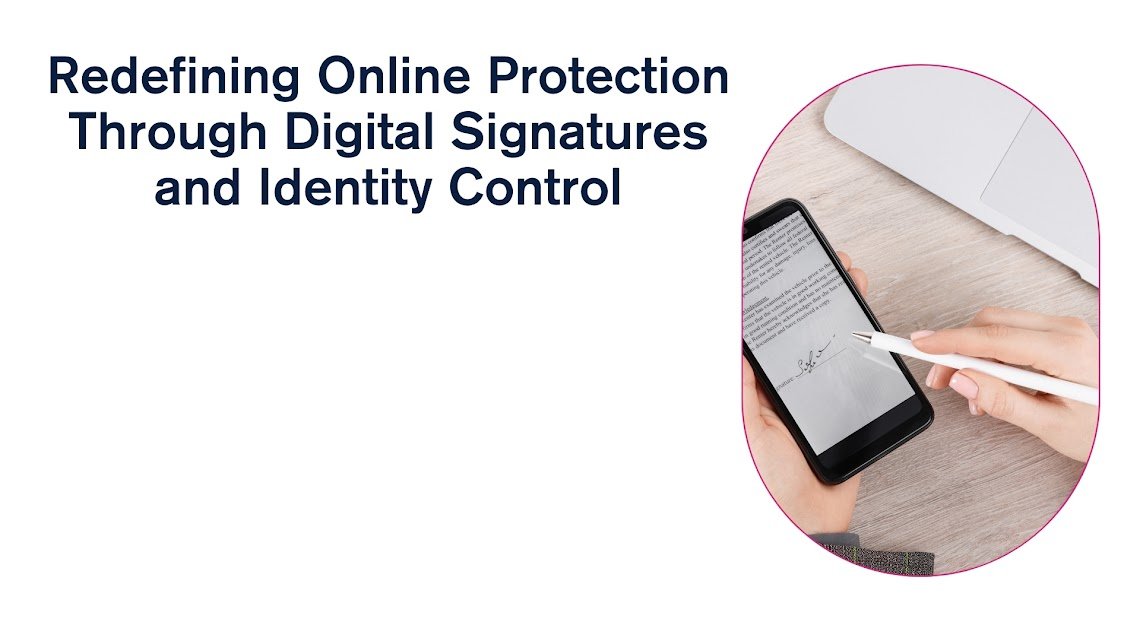
As digital interactions become the backbone of business, governance, and everyday life, the demand for secure and dependable authentication methods has intensified. With organizations and individuals rapidly adopting paperless operations and online transactions, digital signatures and identity management systems have become indispensable. These technologies safeguard data authenticity, ensure trust, and protect sensitive personal and organizational information in the digital ecosystem.
Online digital signatures form the foundation of secure electronic communication by confirming the legitimacy of digital documents and transactions. Alongside this, personal identity management (PIM) governs how digital identities are created, verified, and protected across platforms. Together, they play a crucial role in enhancing cybersecurity, privacy, and trust in digital environments.
This article explores digital signature and personal identity management in depth, examining how they complement each other and contribute to a secure and trustworthy digital future.
1. Digital Signatures Explained
1.1 Meaning of a Digital Signature
A digital signature is a cryptographic mechanism used to confirm the authenticity and integrity of digital content. Unlike handwritten signatures, it relies on mathematical algorithms to verify both the sender’s identity and whether the information has been altered.
Digital signatures operate using public-key infrastructure (PKI), which involves two cryptographic keys—a private key for signing data and a public key for verification.
1.2 How Digital Signatures Function
The digital signing process follows these steps:
- A sender creates a digital document or message.
- A cryptographic hash function converts the content into a unique hash value.
- This hash is encrypted using the sender’s private key, forming the digital signature.
- The signed document is transmitted to the recipient.
- The recipient decrypts the signature using the sender’s public key.
- A new hash is generated from the received content.
- If both hashes match, the document is verified as genuine and unchanged.
1.3 Core Elements of a Digital Signature System
- Hash Algorithms (e.g., SHA-256)
- Public and Private Key Pairs (RSA, ECC)
- Certificate Authority (CA)
- Digital Certificates (X.509 standard)
1.4 Legal Recognition and Compliance
Digital signatures are legally valid in many countries when issued and used according to prescribed standards:
- India: Information Technology Act, 2000, and CCA regulations
- European Union: eIDAS Regulation
- United States: ESIGN Act and UETA
Typically, legally accepted digital signatures must be issued by an authorized Certificate Authority, ensuring trust and enforceability.
2. Applications of Digital Signatures
2.1 Government and Public Services
Digital signatures support secure e-governance initiatives such as:
- Online tax filing
- Aadhaar-based authentication
- Electronic tender submissions
2.2 Corporate and Business Operations
Organizations use digital signatures to streamline workflows, including:
- Employee onboarding documents
- Commercial contracts
- Board and compliance documentation
2.3 Legal and Judicial Sector
Law firms and courts rely on digital signatures to:
- File legal pleadings
- Validate agreements
- Secure digital case records
2.4 Healthcare and Insurance
Key applications include:
- Electronic prescriptions
- Patient consent verification
- Insurance claim approvals
2.5 Banking and Financial Services
Financial institutions use digital signatures for:
- Secure online banking access
- Loan and credit agreements
- Financial audits and reporting
3. Advantages of Digital Signatures
- Enhanced Security: Ensures data integrity, authenticity, and non-repudiation
- Faster Processes: Accelerates approvals and document execution
- Cost Savings: Reduces paperwork, storage, and administrative expenses
- Eco-Friendly: Supports sustainable, paperless operations
- Global Validity: Accepted under international digital laws
4. Challenges in Implementing Digital Signatures
4.1 Technical Limitations
- Limited awareness among users
- Integration challenges with outdated systems
- Secure management of cryptographic keys
4.2 Regulatory and Legal Concerns
- Differences in international legal frameworks
- Cross-border recognition issues
- Compliance with data protection standards such as GDPR and ISO/IEC 27001
4.3 Cybersecurity Risks
- Theft or misuse of private keys
- Malware and ransomware attacks
- Phishing and social engineering threats
Risk mitigation measures include hardware-based tokens, biometric authentication, and multi-factor authentication (MFA).
5. Personal Identity Management (PIM) Overview
5.1 What Is Personal Identity Management?
Personal Identity Management refers to systems and policies designed to securely handle digital identities. It ensures that identity-related information is properly stored, verified, and accessed across multiple platforms while maintaining user control and privacy.
5.2 Essential Components of PIM
- Identity Providers (IdPs): Authenticate users (e.g., Google, Microsoft)
- Access Control Systems: Define user roles and permissions
- Single Sign-On (SSO): One login for multiple services
- Multi-Factor Authentication (MFA): Adds additional verification layers
5.3 Identity Lifecycle Management
- Onboarding: Creating digital identities
- Provisioning: Assigning access rights
- Monitoring: Tracking usage and behavior
- Deprovisioning: Revoking access when required
6. Emerging Trends in Digital Identity and Signatures
6.1 Blockchain-Based Digital Identity
Decentralized identity models use blockchain to create secure, self-sovereign identities that are tamper-resistant and portable.
6.2 Biometric Authentication
Technologies such as facial recognition, fingerprint scanning, and iris recognition are enhancing digital signature issuance and identity verification.
6.3 Artificial Intelligence and Machine Learning
AI-driven systems help detect unusual activity patterns, prevent fraud, and strengthen identity governance.
7. Privacy and Ethical Responsibilities
Despite their benefits, digital identity systems raise privacy concerns. Key principles include:
- Data Minimization: Collecting only essential information
- User Consent: Clear disclosure of data usage policies
- Right to Erasure: Allowing users to withdraw consent and delete data
8. What Lies Ahead for Digital Identity and Signatures
Future developments are expected to include:
- Digital Identity Wallets: Secure apps for managing credentials
- Cross-Border Identity Verification: Seamless global authentication
- Zero Trust Security Models: Continuous identity verification
- Quantum-Safe Cryptography: Preparing for post-quantum security threats
How to Apply for a Digital Signature Online
Step 1: Access Our Website
Visit our platform to initiate the application process.
Step 2: Enter Required Information
- Select user type (individual or organization)
- Choose certificate purpose (signing or signing + encryption)
- Select validity period
- Provide contact and address details
- Agree to terms and submit
Step 3: USB Token Selection
Choose whether you already have a USB token or need a new one.
Step 4: Payment Completion
Make payment via net banking, credit/debit card, or UPI.
Step 5: Final Review
Verify all details and submit the application.
Step 6: Receive Your Digital Signature
After verification, your digital signature will be issued on a secure USB token.
Suggested read:- Digital Signature Certificate for Income Tax
Conclusion
Digital signatures and identity management systems have evolved from optional tools into essential pillars of modern digital infrastructure. They enable secure communication, protect sensitive information, and establish trust in every online interaction—from everyday emails to high-value contracts.
When combined, digital signature solutions and robust identity management frameworks create secure, privacy-focused digital ecosystems. As cyber threats continue to advance, adopting these technologies responsibly will be key to ensuring compliance, trust, and long-term digital resilience.
By embracing secure identity and authentication solutions, individuals and organizations can confidently navigate the digital world while safeguarding data, privacy, and credibility at every step.