
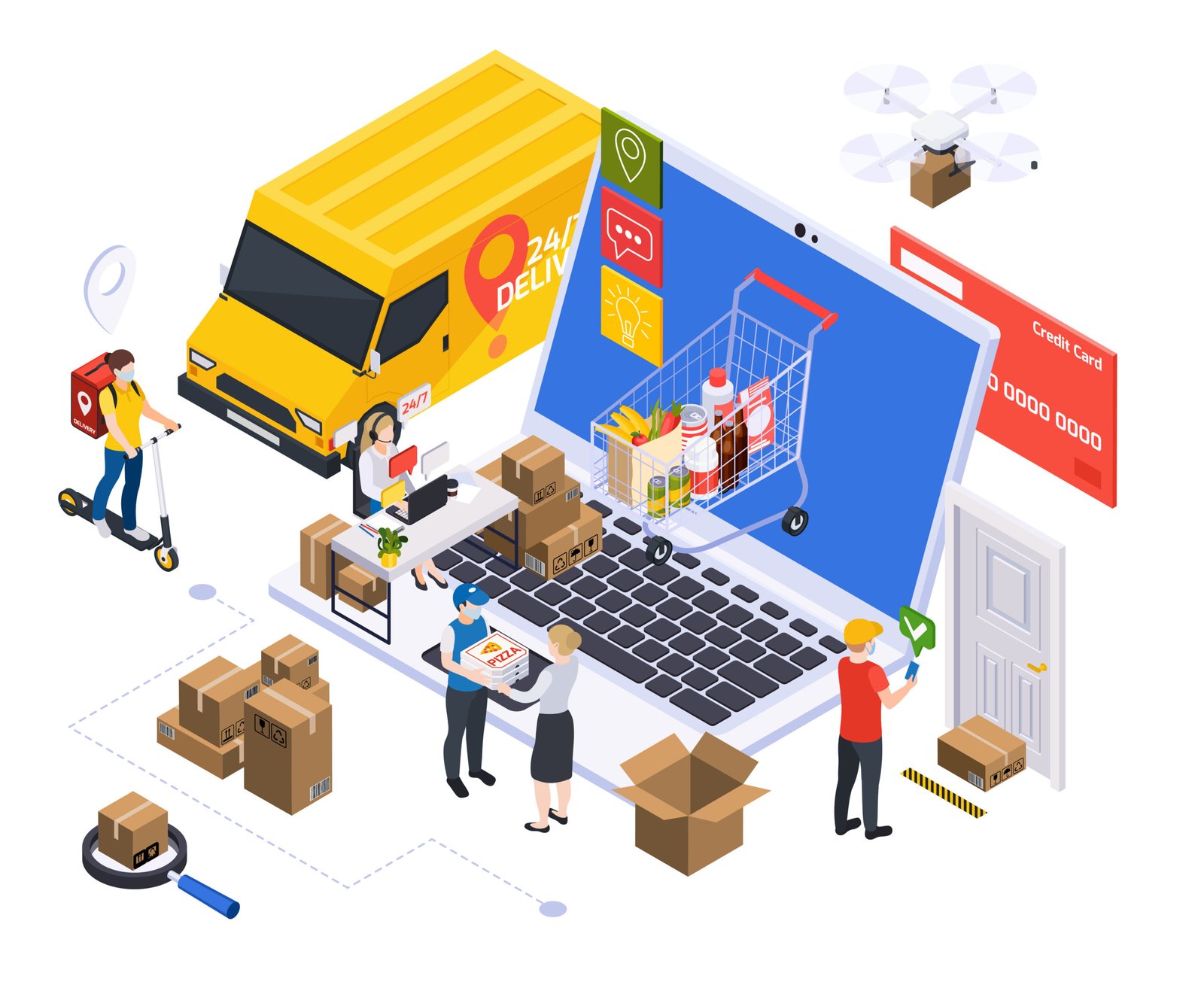
Logistics and transportation software has become the quiet engine behind most successful UAE businesses in 2026. When a customer in Dubai clicks “order now”, the tools working in the background decide which driver takes the order, which route to follow, and how to keep costs low while still delivering on time. This is where strong logistics and transportation software makes the real difference, turning complex operations into simple, trackable steps that anyone on your team can understand.
In the UAE, logistics is not just a support function; it is part of the country’s global position as a trade and distribution hub across the Middle East, Africa, and Asia. That means small mistakes in planning or tracking can quickly become big cost leaks. With the right software, you can plan routes, manage drivers, monitor warehouses, and see real‑time updates on every shipment in one place. This guide walks you through what logistics and transportation software actually is, why it matters in the UAE, how to pick the best tool, and when it makes sense to partner with a development company for a custom solution.
What Is Logistics and Transportation Software?
Logistics and transportation software is a single digital system that helps you manage the full journey of goods, from warehouse shelf to customer door. Instead of working in spreadsheets, manual calls, or paper notes, your team uses this software to see orders, assign vehicles, route drivers, track shipments, and confirm delivery all in one connected platform. For a UAE business, this means fewer delays, fewer “where is my order?” calls, and much better control over costs in a fast‑moving market.
Most platforms bundle several key modules together, such as transportation management systems, warehouse management systems, and fleet management tools. A transportation module helps you plan and run the movement of goods, while a warehouse module keeps stock organized and updated in real time as orders go in and out. Fleet tools help you monitor vehicles, drivers, and maintenance so your trucks stay on the road instead of in the workshop. When these parts work together, you get a clear live picture of your whole operation, even if you run across many cities, free zones, or countries.
Best Logistics & Transport Software in the UAE 2026
The UAE has access to both global logistics platforms and strong local solutions built with regional needs in mind. Global players such as Oracle NetSuite, Blue Yonder, and other full‑scale logistics suites offer broad features and strong stability, which work well for larger enterprises with complex supply chains and cross‑border flows. Local and regional tools, on the other hand, often bring better localization, such as Arabic support, GCC tax handling, and better mapping for local addresses and zones.
To give you a quick view, here is a simple table comparing some commonly mentioned options for UAE businesses in 2026.
| Software / Provider | Best For | Key Strength in UAE Context |
|---|---|---|
| Oracle NetSuite / OTM | Medium to large enterprises | Deep ERP integration, end‑to‑end logistics and finance links |
| Blue Yonder | Large, complex supply chains | Strong planning and optimization for multi‑country networks |
| Locus | High‑volume last‑mile delivery | AI route planning for dense urban deliveries in UAE cities |
| Route4Me | Growing fleets and delivery teams | Easy route optimization and driver apps with quick setup |
| Local UAE‑listed tools | SMEs and regional operators | Localization, GCC focus, and flexible pricing models |
Global suites often need more time and investment to implement but can deliver very high value for large organizations that need strict control and deep reporting. Tools such as Locus and Route4Me tend to be faster to deploy and are popular with e‑commerce brands, grocery delivery, and hyperlocal services that care mainly about last‑mile performance. Local solutions listed on software marketplaces add more choice for SMEs that want core features without enterprise‑level cost, often providing regional support teams, which can be a big plus for ongoing use and training.
How to Choose the Right Logistics Software for Your UAE Business
Choosing the right platform starts with a clear view of your own operations, not the feature list of a vendor’s brochure. First, assess where you are today: Are most tasks still manual, or do you already use some tools that you want to upgrade or connect? If your team spends a lot of time on phone calls, manual dispatching, or updating sheets after every delivery, then a strong logistics and transportation software can give quick gains. For more mature operations, the focus may shift to better analytics, cross‑border flows, or improved customer visibility.
Next, map your business model and main use cases. A freight forwarder moving containers through Jebel Ali has different needs from a grocery delivery app running hundreds of same‑day drops in Dubai Marina. Think about your typical shipment volume, number of vehicles, key cities and countries you serve, and any special requirements such as cold chain or dangerous goods handling. Then, shortlist platforms that match those needs and check how they integrate with your current ERP, accounting, and online sales channels. It is also smart to ask about local support, implementation time, and what training is available, because good software still fails when users are not trained or the project is rushed.
When You Need a Logistics Software Development Company
At some point, off‑the‑shelf platforms may not fit your processes well enough, and this is where a logistics software development company can add clear value. If you run a mix of services, special workflows, or have to connect many legacy systems, it can be harder to force your processes into a standard tool. A custom solution built by a skilled team can mirror the way your operations really work, while still following best practices and making them more efficient. This is often the case for larger 3PLs, integrated logistics providers, or fast‑growing tech‑enabled logistics startups in the UAE.
A good logistics software development company will start with discovery, where they learn how your planners, drivers, warehouse staff, and finance teams actually use systems day to day. From there, they design and build modules for core functions such as dispatching, route optimization, warehouse workflows, customer portals, and driver mobile apps. In the UAE, many such companies are now also adding AI, IoT, and even blockchain elements to support real‑time tracking and secure transaction records. When you choose a partner, look for strong domain experience in logistics and transportation, clear case studies, and a track record of delivering stable solutions, not just simple apps.
How a Logistics Software Development Company Adds Value
A specialized development partner does more than just write code; they help you redesign operations for long‑term gains. For example, they can map your current delivery and warehouse processes, point out where delays and errors usually happen, and then suggest a new flow that the software will enforce. They also plan the system so that it is modular, which means you can add new hubs, services, or countries later without a full rebuild. This is important in the UAE, where many businesses expand quickly into Saudi Arabia, Oman, or other GCC markets.
Another benefit is deeper integration with existing tools such as telematics hardware, GPS trackers, or warehouse automation systems. A custom solution can pull this data into one dashboard so managers see fleet status, warehouse stock levels, and delivery performance in real time. Developers with logistics background know how to design user interfaces that are simple for drivers and operations teams who may not be very tech heavy, while still giving management rich reports and insights. In short, a strong logistics software development company turns your real processes into a digital system that supports staff instead of slowing them down.
Must‑Have Integrations and Tech Trends for 2026
By 2026, logistics and transportation software is not just about planning routes and tracking trucks; it also connects with many other systems and uses new technology to stay competitive. AI‑driven route optimization and demand forecasts help predict where orders will come from, which vehicles you will need, and how to plan shifts to avoid over or under‑staffing. This becomes very useful during peak times such as Ramadan, shopping festivals, or big sales events in the UAE. IoT, through sensors and tracking devices, gives more detailed visibility into temperature, door openings, or idle time, which is important for cold chain and high‑value goods.
Integrations are now a must, not a nice extra. Your logistics platform should connect smoothly with your ERP, e‑commerce store, marketplace accounts, and even your CRM so that data flows without manual re‑entry. This reduces errors, speeds up order processing, and gives better visibility to both your operations team and your customers. On top of that, more companies are tracking emissions, route efficiency, and fuel use to meet sustainability targets and respond to growing expectations around “green delivery”. For UAE businesses, staying on top of these trends helps you compete with international players and build a brand that feels modern and reliable.
Also Read – Top 10 Logistics & Transport Software Solutions UAE for 2026
Common Mistakes to Avoid with Logistics and Transportation Software
Many logistics and transport projects fail not because the tool is weak, but because basic mistakes were made during selection or rollout. One common mistake is choosing software based only on price, without checking if it truly supports your use cases or can grow with you over the next few years. A cheaper system that does not handle your volume or complexity will end up costing more in manual work, customer complaints, and eventual replacement. Another frequent issue is underestimating the need for training and change management; if your team does not understand the new system or does not trust it, they will revert to old habits, and you lose most of the benefits.
It is also easy to overlook integration and data quality. If your logistics platform does not connect well with ERP, WMS, or e‑commerce channels, your staff will waste time on manual updates and face more errors. Poor address data, missing SKUs, or inconsistent customer records will also hurt route planning and tracking accuracy. Another mistake is trying to switch everything at once without a pilot, which can overwhelm users and increase the risk of service issues during peak times. A calmer phased rollout, supported by simple SOPs and clear KPIs, usually leads to a smoother and more successful adoption of transportation logistics software.