
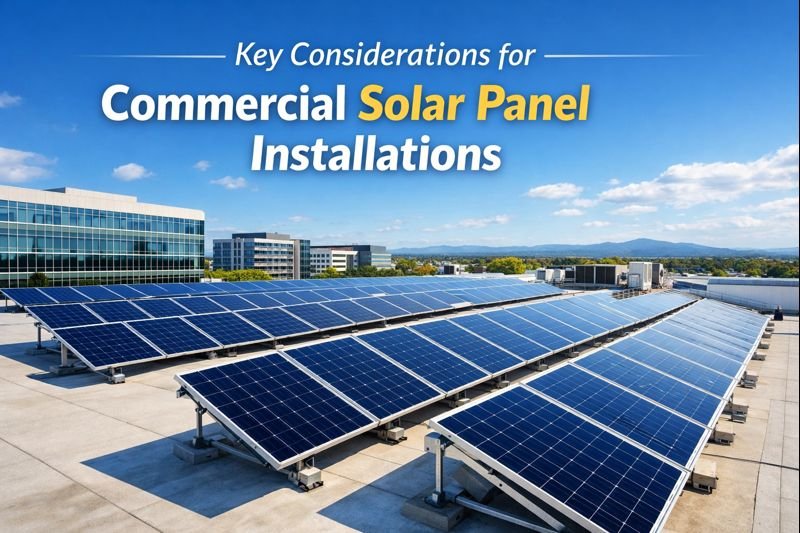
As energy costs continue to rise and sustainability becomes a business priority, more Australian businesses are turning to solar energy. A well-planned commercial solar installation can significantly reduce electricity bills, lower carbon emissions, and improve long-term operational efficiency. However, installing solar panels for a commercial property requires careful planning and expert execution. Below are the key considerations businesses should evaluate before investing in solar systems.
1. Energy Consumption and Load Analysis
Understanding your business’s energy usage is the foundation of a successful commercial solar installation. Every business has unique power consumption patterns depending on operating hours, equipment usage, and seasonal demand. Conducting a detailed energy audit helps determine the appropriate system size and ensures maximum return on investment.
By analysing historical electricity bills and load profiles, solar providers can design commercial solar systems that offset peak energy usage and minimise grid dependence. Proper load analysis also avoids over- or under-sizing the system, both of which can affect performance and cost savings.
2. Roof Space and Structural Integrity
Roof suitability is a critical factor in commercial solar installations. The available roof area determines how many solar panels can be installed and directly impacts energy generation. Flat and metal roofs are typically ideal for commercial solar systems, but orientation, tilt, and shading must also be assessed.
Structural integrity is equally important. Commercial buildings must support the added weight of solar panels and mounting structures. A professional site inspection ensures the roof is strong enough and identifies any reinforcements needed before installation. Addressing these factors early prevents costly delays and ensures long-term system safety.
3. Solar Panel Quality and Technology
Not all solar panels are created equal. High-quality panels deliver better efficiency, durability, and long-term performance. For commercial solar systems, choosing panels with high efficiency ratings and strong manufacturer warranties is essential.
Businesses should also consider inverter technology, such as string inverters or microinverters, based on system size and shading conditions. Investing in reliable components ensures your commercial solar installation operates efficiently for decades with minimal maintenance.
4. System Design and Scalability
A customised system design is key to achieving optimal performance. Every commercial property has unique energy needs, space constraints, and future growth plans. A well-designed commercial solar installation aligns panel layout, inverter selection, and system capacity with business objectives.
Scalability is another important consideration. As businesses grow, energy demand often increases. Designing commercial solar systems with future expansion in mind allows additional panels or battery storage to be integrated later without major redesign or disruption.
5. Compliance, Permits, and Regulations
Commercial solar installations in Australia must comply with local council regulations, building codes, and electrical safety standards. Navigating these requirements can be complex without professional guidance.
An experienced solar installer manages permits, grid connection approvals, and compliance documentation on your behalf. Ensuring regulatory compliance not only avoids legal issues but also guarantees system safety and eligibility for incentives or rebates.
6. Financial Incentives and Return on Investment
One of the biggest advantages of commercial solar systems is the strong financial return. Businesses should evaluate upfront costs against long-term savings, including reduced electricity bills and protection from rising energy prices.
Government incentives, such as Small-scale Technology Certificates (STCs) and other state-based rebates, can significantly lower installation costs. Understanding these incentives helps businesses maximise ROI and shorten the payback period of their commercial solar installation.
A professional financial assessment can also explore options like power purchase agreements (PPAs) or financing solutions, making solar more accessible without large upfront capital.
7. Installation Expertise and Ongoing Support
The success of a commercial solar installation depends heavily on the expertise of the installer. Working with a trusted provider ensures correct system design, high-quality workmanship, and adherence to safety standards.
Ongoing support, including monitoring, maintenance, and performance optimisation, is equally important. Regular inspections and system monitoring help detect issues early and maintain peak efficiency. Choosing a solar partner that offers long-term service and support protects your investment and ensures consistent energy production.
8. Environmental and Brand Impact
Beyond financial benefits, commercial solar systems enhance a business’s sustainability profile. Reducing carbon emissions demonstrates environmental responsibility and aligns with corporate sustainability goals.
For many organisations, a commercial solar installation also strengthens brand reputation. Customers and stakeholders increasingly prefer businesses that invest in renewable energy, making solar a valuable asset for both operations and marketing.
Conclusion
Investing in a commercial solar installation is a strategic decision that offers long-term financial, environmental, and operational benefits. By considering energy usage, roof suitability, system quality, compliance, and expert installation, businesses can maximise the performance and reliability of their solar investment.
With the right planning and a trusted provider like Eco Green Australia, businesses can implement high-performing commercial solar systems that reduce costs, improve sustainability, and support future growth. Now is the ideal time for Australian businesses to transition to clean, renewable energy and secure a more sustainable future.