
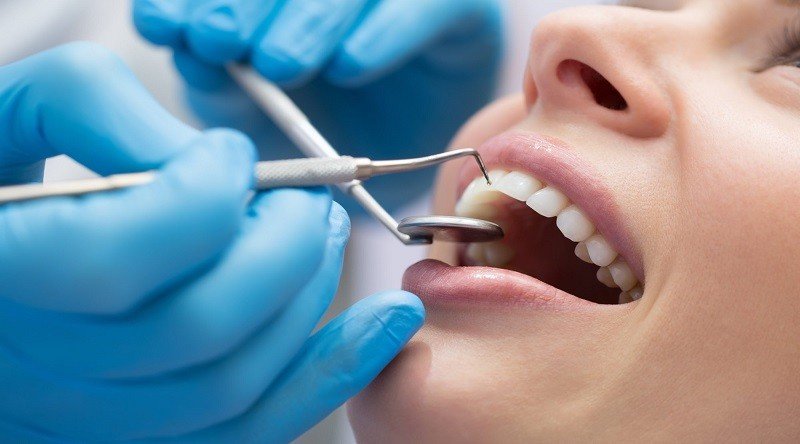
Maintaining good oral hygiene is essential for keeping your teeth healthy and free from cavities. Cavities, also known as dental caries, are one of the most common dental problems people face, but with proper care and prevention, they are easily avoidable. Dentists often emphasize preventive care as the best approach to keeping your smile intact. So, how can you prevent cavities from forming? Let’s dive into expert tips that will help you protect your teeth.
1. Brush Your Teeth Twice a Day
One of the simplest and most effective ways to prevent cavities is by brushing your teeth at least twice a day. Brushing helps remove food particles and plaque, which can accumulate on your teeth and lead to cavities. Plaque contains bacteria that produce acids, which erode tooth enamel, making your teeth more vulnerable to decay. Use fluoride toothpaste, as fluoride helps to remineralize enamel and prevent decay.
Make sure to brush for at least two minutes each time, reaching every surface of your teeth, including the fronts, backs, and chewing surfaces. Don’t forget to gently brush your gums and tongue, as bacteria can also accumulate there.
2. Floss Regularly
Brushing alone can’t remove all food particles and plaque, especially from the tight spaces between your teeth. That’s where flossing comes in. Flossing helps remove plaque and food debris from areas your toothbrush can’t reach. This prevents plaque buildup, which is a primary cause of cavities.
Flossing once a day is sufficient. Be sure to use the correct technique: gently slide the floss between your teeth and curve it around each tooth in a C-shape to remove plaque without causing damage to your gums.
3. Rinse with Mouthwash
Mouthwash can be a useful addition to your oral care routine. It helps kill bacteria in your mouth, freshens your breath, and can even provide additional fluoride to protect your enamel. Opt for a mouthwash that contains fluoride, and rinse after brushing and flossing for optimal protection against cavities.
4. Limit Sugary Foods and Drinks
The food and drinks you consume have a direct impact on your dental health. Sugary foods and drinks are one of the main culprits behind cavity formation. When you eat sugar, the bacteria in your mouth feed on it and produce acids that attack your tooth enamel. Over time, this can lead to cavities.
To prevent cavities, limit sugary snacks, sodas, and sugary drinks like fruit juices and energy drinks. Instead, opt for healthier snacks like fruits, vegetables, and nuts. If you do consume sugary foods, try to brush your teeth or rinse your mouth with water afterward to minimize the effects.
5. Drink Water Throughout the Day
Drinking plenty of water is essential for overall health, but it also helps your oral health. Water helps wash away food particles and bacteria in your mouth, reducing the risk of plaque buildup. Additionally, drinking water after meals can help neutralize acids produced by food and drinks, preventing them from causing damage to your enamel.
Fluoridated tap water is particularly beneficial for preventing cavities, as fluoride strengthens enamel and makes your teeth more resistant to decay. If you don’t have access to fluoridated water, you can also use a fluoride mouthwash or toothpaste for additional protection.
6. Visit Your Dentist Regularly
Regular visits to your dentist are crucial for maintaining good oral health. During routine dental checkups, your dentist will examine your teeth and gums for early signs of cavities, gum disease, or other dental issues. Early detection allows for prompt treatment, preventing small problems from turning into major issues.
Your dentist may also perform professional cleanings to remove plaque and tartar buildup, which can’t be removed through regular brushing and flossing alone. These cleanings are vital for cavity prevention.
If you’re looking for a trusted Dentist Corio, consider scheduling regular appointments for checkups and cleanings. By seeing a dentist regularly, you can stay ahead of potential issues and maintain a healthy smile.
7. Sealants and Fluoride Treatments
For added protection, dental sealants and fluoride treatments can help prevent cavities, particularly in children and teens. Sealants are thin coatings applied to the chewing surfaces of your back teeth (molars). These surfaces have deep grooves where food particles and bacteria can get trapped, leading to cavities. Sealants provide a protective barrier that prevents bacteria from entering these grooves.
Fluoride treatments, available in both gel and varnish forms, are applied by your dentist and provide an extra layer of protection. Fluoride helps to remineralize enamel, making it more resistant to decay.
8. Avoid Snacking Between Meals
Frequent snacking, especially on sugary or starchy foods, can increase your risk of cavities. When you snack, your teeth are exposed to food particles for longer periods, allowing plaque to form. Additionally, some snacks, like crackers or chips, can get stuck in the crevices of your teeth, providing a food source for bacteria to thrive on.
If you feel the need to snack, choose healthier options like fruits, vegetables, or cheese, which are less likely to contribute to cavity formation. Also, try to avoid snacking throughout the day and stick to meal times whenever possible.
9. Chew Sugar-Free Gum
Chewing sugar-free gum can help prevent cavities by stimulating saliva production. Saliva neutralizes acids in the mouth and helps wash away food particles and bacteria. Some sugar-free gums also contain xylitol, a natural sweetener that can help reduce the growth of cavity-causing bacteria.
If you can’t brush your teeth after a meal, chewing sugar-free gum is a good alternative to help clean your mouth and protect your teeth from cavities.
10. Take Care of Your Gums
Cavities aren’t the only concern for your oral health—gum disease is another major issue that can affect your teeth. Healthy gums help support your teeth and protect them from decay. To keep your gums healthy, be sure to brush and floss regularly, and consider using an antimicrobial mouthwash to fight bacteria.
If your gums are red, swollen, or bleed when you brush or floss, it could be a sign of gum disease. Consult your Corio dentist if you notice these symptoms so you can receive treatment before it leads to more serious problems.
11. Protect Your Teeth from Injury
While cavities are caused by bacteria, injuries to your teeth can also lead to damage. Wearing a mouthguard during sports, using protective gear while engaging in activities, and avoiding biting on hard objects (such as ice or pens) can help prevent tooth fractures and other injuries that may lead to cavities.
Final Thoughts
Preventing cavities is an ongoing process that requires daily commitment to good oral hygiene practices, a balanced diet, and regular dental visits. By brushing and flossing regularly, limiting sugary foods, and seeking professional dental care, you can significantly reduce your risk of cavities and keep your smile bright and healthy.
Remember, your dentist plays a key role in cavity prevention. Schedule regular checkups with your Dentist Corio to ensure your teeth are in tip-top shape. Keep these expert tips in mind, and you’ll be well on your way to cavity-free teeth for years to come.