
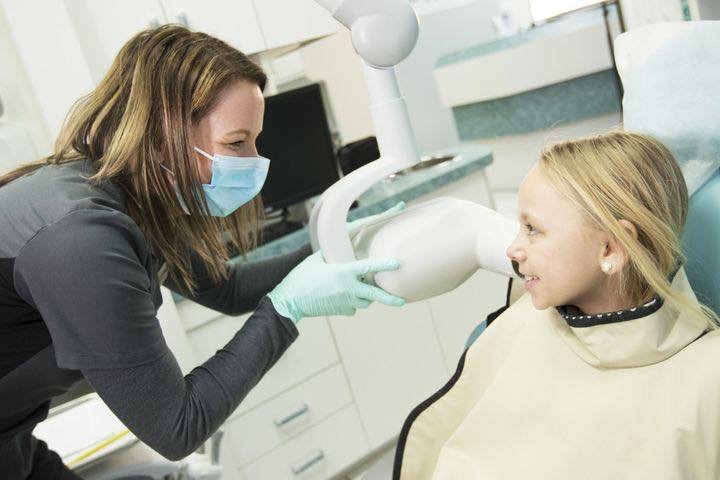
When patients visit a dentist in Pickering, one of the most overlooked topics discussed during appointments is nutrition. While brushing and flossing are essential, diet plays an equally powerful role in protecting teeth and gums. Scientific research consistently shows that what you eat—and how often you eat—directly influences your risk of cavities, gum disease, enamel erosion, and even tooth loss.
Understanding the relationship between nutrition and oral health empowers individuals to make informed decisions that reduce long-term dental costs and support overall wellbeing. This guide explores the science behind diet and dental health, highlights common dietary risks, and explains how preventive care at a trusted dental clinic Pickering residents rely on can help maintain a healthy smile.
The Science: Why Food Matters for Your Teeth
Your mouth is home to millions of bacteria. Some are beneficial, while others contribute to plaque formation. When you consume sugars and refined carbohydrates, harmful bacteria feed on them and produce acids. These acids attack tooth enamel, leading to decay.
According to public health data, frequent sugar consumption is one of the strongest predictors of dental caries worldwide. However, it is not just the amount of sugar consumed—it is the frequency of exposure that matters most.
What Happens After You Eat?
- Sugars interact with oral bacteria.
- Acid production begins within minutes.
- Enamel softens temporarily.
- Repeated exposure weakens enamel over time.
If saliva cannot neutralise acids effectively, cavities may form.
A qualified dentist in Pickering often emphasises that consistent dietary habits are just as important as brushing technique.

Nutrients That Strengthen Teeth and Gums
Not all foods are harmful. In fact, certain nutrients actively protect oral structures.
Calcium and Phosphorus
These minerals strengthen enamel and support jawbone density.
Sources include:
- Dairy products
- Leafy greens
- Almonds
- Fortified plant-based alternatives
Vitamin D
Vitamin D improves calcium absorption and supports immune response.
Low vitamin D levels have been associated with increased gum inflammation in several studies.
Vitamin C
Essential for healthy gum tissue, vitamin C supports collagen production.
Deficiency may increase susceptibility to gum bleeding and periodontal issues.
Fibre-Rich Foods
Crunchy fruits and vegetables stimulate saliva production, which helps neutralise acids naturally.
Patients who maintain nutrient-rich diets often experience fewer complications when visiting a dental clinic Pickering professionals operate.
The Hidden Dangers in Modern Diets
Many Canadians unknowingly consume high levels of added sugar and acidic beverages.
High-Risk Dietary Patterns
- Frequent snacking throughout the day
- Sipping sugary drinks over extended periods
- Energy drinks and sports beverages
- Sticky processed foods
Acidic drinks, including flavoured sparkling waters and fruit juices, can erode enamel even without added sugar.
A routine examination with a trusted dentist in Pickering may reveal early enamel wear that patients did not realise was occurring.
How Timing Impacts Dental Health
It is not only what you eat, but when you eat it.
Frequent grazing prevents saliva from restoring normal pH levels. The more often acids are introduced, the longer teeth remain vulnerable.
Smarter Eating Habits
- Limit snacking between meals
- Drink water after acidic beverages
- Wait 30 minutes before brushing after consuming acidic foods
- Avoid late-night sugary snacks
Small adjustments significantly reduce cumulative enamel damage.
Nutrition and Gum Disease
Gum health is closely tied to immune function and inflammation levels.
Diets high in processed foods and refined sugars may contribute to systemic inflammation, increasing the risk of periodontal disease.
Research suggests that individuals with balanced diets rich in vegetables, lean proteins, and healthy fats show improved gum health outcomes compared to those consuming high-sugar diets.
Clinics such as Allure Dental often incorporate dietary counselling into preventive care plans, helping patients understand how nutrition affects long-term oral health without resorting to overly restrictive advice.
The Link Between Oral and Overall Health
The mouth is not separate from the body. Poor nutrition can weaken the immune system, making it harder to fight bacterial infections in the gums.
Emerging evidence connects chronic gum inflammation with broader health concerns, including cardiovascular conditions and diabetes complications.
By improving dietary habits, individuals support:
- Stronger enamel
- Healthier gums
- Better systemic health
- Reduced need for complex dental procedures
A preventive-focused dental clinic Pickering residents trust will emphasise this holistic connection.
Practical Nutrition Tips for Better Oral Health
You do not need a drastic diet overhaul. Consistency and balance matter most.
Daily Strategies
- Choose water as your primary beverage
- Limit sugary treats to mealtimes
- Incorporate dairy or calcium-rich alternatives
- Eat fibrous vegetables daily
- Avoid constant snacking
If you are unsure how your diet may be affecting your oral health, schedule a consultation and Visit our website, https://alluredental.ca/dentist-pickering/ , to learn more about preventive dental care strategies and personalised guidance.
How Dentists Evaluate Nutrition-Related Damage
During a routine appointment, a dentist in Pickering may look for:
- Enamel thinning
- Acid erosion patterns
- Gum inflammation
- Signs of dry mouth
- Recurrent cavities
Digital imaging and clinical evaluation help identify early signs before severe damage occurs.
Proactive practices such as Allure Dental often provide education alongside treatment planning, helping patients make informed dietary adjustments rather than focusing solely on corrective procedures.
Prevention Is More Affordable Than Repair
Cavities, crowns, and periodontal treatments often cost significantly more than preventive cleanings and dietary improvements.
Long-term benefits of nutrition-focused prevention include:
- Fewer dental visits for restorative work
- Lower out-of-pocket costs
- Greater comfort and confidence
- Reduced systemic health risks
Prevention remains the most cost-effective approach to oral care.
Frequently Asked Questions (FAQ)
- Can sugar-free drinks still damage teeth?
Yes. Even without sugar, acidic beverages can erode enamel over time.
- How does calcium help my teeth?
Calcium strengthens enamel and supports jawbone health, reducing the risk of fractures and tooth loss.
- Does diet really affect gum disease?
Yes. Poor nutrition can weaken immune response and increase inflammation, contributing to periodontal problems.
- Should I brush immediately after eating acidic foods?
No. Wait about 30 minutes to allow enamel to re-harden before brushing.
- How often should I see a dentist in Pickering for preventive care?
Most individuals benefit from check-ups every six months, though personalised recommendations may vary.
- Can children develop enamel erosion from diet?
Yes. Frequent juice or sports drink consumption can lead to early enamel wear in children.
- What is the best beverage for oral health?
Water is the safest and most beneficial choice for maintaining healthy teeth and gums.
Final Thoughts
Nutrition is a foundational component of dental health. While brushing and flossing remain essential, dietary habits significantly influence enamel strength, gum health, and long-term treatment costs.
By understanding the science behind nutrition and oral care, individuals can make small, sustainable changes that deliver long-term benefits. Routine evaluations with a trusted dentist in Pickering ensure early detection of diet-related issues, while preventive guidance from a reputable dental clinic Pickering patients rely on promotes lasting oral wellness.
Clinics focused on education and preventive strategies, such as Allure Dental , demonstrate how informed patients experience better outcomes and fewer complications.
Healthy smiles begin with informed choices—both at the sink and at the table.