
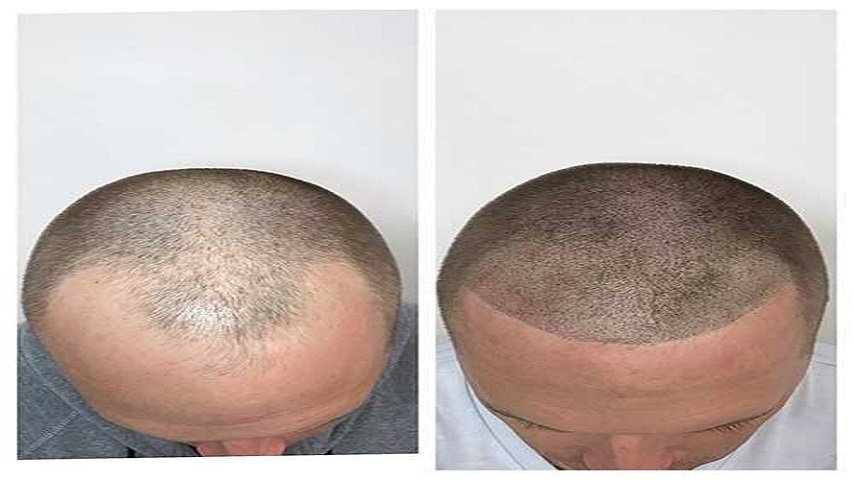
We all experience stress — it’s a natural part of life. But did you know that chronic or severe stress can literally make your hair fall out? If you’ve ever noticed more hair on your pillow, brush, or shower drain during tough times, you may have experienced Telogen Effluvium, a common yet often misunderstood form of temporary hair loss.
While it can be alarming, Telogen Effluvium is reversible with the right understanding, care, and treatment. Let’s explore how stress triggers this condition, what signs to look for, and what you can do to restore your hair’s natural balance and health.
What Is Telogen Effluvium?
To understand Telogen Effluvium, it helps to first understand the hair growth cycle. Each strand of hair goes through three main phases:
- Anagen (Growth Phase): The active phase where hair grows continuously.
- Catagen (Transition Phase): A brief phase where growth slows, and the follicle begins to shrink.
- Telogen (Resting Phase): The final stage, where old hairs rest before falling out naturally to make way for new growth.
Under normal circumstances, about 85–90% of your hair is in the growth phase, while 10–15% is in the resting (telogen) phase.
However, when your body experiences physical or emotional stress, a large number of hairs prematurely shift into the telogen phase. This leads to excessive shedding — often noticed two to three months after the triggering event.
This phenomenon is called Telogen Effluvium (TE) — a type of diffuse hair loss where hair thins all over the scalp rather than in specific patches.
What Triggers Telogen Effluvium?
Telogen Effluvium can be caused by a variety of physical, emotional, and environmental stressors. Some of the most common triggers include:
1. Emotional Stress
Significant psychological stress — such as grief, anxiety, or major life changes — can disrupt hormonal balance and send hair follicles into a resting state.
2. Illness or Fever
A high fever, viral infection, or major illness can shock your body, temporarily halting normal hair growth.
3. Postpartum Changes
Many new mothers experience postpartum hair loss, a specific type of Telogen Effluvium triggered by hormonal fluctuations after childbirth.
4. Nutritional Deficiencies
Lack of iron, zinc, vitamin D, or protein can weaken the hair structure and interrupt the growth cycle.
5. Hormonal Imbalance
Thyroid disorders, menopause, or discontinuing birth control pills can alter hormone levels, leading to shedding.
6. Medications or Medical Treatments
Certain medications — such as antidepressants, blood pressure drugs, or chemotherapy — can contribute to TE as a side effect.
7. Sudden Weight Loss or Crash Dieting
Rapid weight loss or insufficient calorie intake deprives the body (and hair follicles) of essential nutrients, triggering hair fall.
Essentially, any major change or shock to the system — physical or emotional — can set the stage for Telogen Effluvium.
Symptoms: How to Identify Telogen Effluvium
Unlike other forms of hair loss, Telogen Effluvium doesn’t cause bald patches or scarring. Instead, it results in diffuse thinning across the scalp. Common signs include:
- Excessive shedding — especially during combing or washing.
- Hair appearing less dense or more “flat” than usual.
- A noticeable reduction in ponytail thickness.
- Shedding that starts 2–3 months after a stressful event.
- Visible scalp, particularly at the crown or temples.
It’s important to note that Telogen Effluvium is usually temporary. Once the underlying cause is addressed, your hair typically begins to regrow within 3–6 months.
How Stress Impacts Hair Growth
Chronic stress affects more than just your mind — it has direct biological effects on hair follicles. When your body is under pressure, it releases higher levels of cortisol, the stress hormone. Elevated cortisol levels can:
- Shorten the anagen (growth) phase of hair.
- Reduce nutrient supply to follicles.
- Trigger inflammation around hair roots.
- Increase scalp tension, restricting blood flow.
Over time, these factors cause a higher percentage of hairs to shift prematurely into the telogen (resting) phase — resulting in noticeable shedding.
How to Manage and Recover from Telogen Effluvium
The good news is that Telogen Effluvium is reversible. With the right lifestyle adjustments and professional care, most people see their hair return to normal thickness within months.
Here’s how to help your hair recover:
1. Address the Root Cause
Identify and treat the underlying trigger — whether it’s stress, illness, or nutritional imbalance. Managing that factor is key to stopping the shedding cycle.
2. Prioritize Nutrition
Feed your follicles from within. Include foods rich in:
- Iron and zinc: Spinach, lentils, eggs, nuts.
- Protein: Lean meats, beans, fish, dairy.
- Vitamin D and B-complex: Whole grains, mushrooms, fortified milk.
A balanced diet ensures your hair receives the building blocks it needs for growth.
3. Manage Stress Levels
Incorporate stress-relieving activities like meditation, yoga, journaling, or walking in nature. Adequate sleep and hydration also play vital roles in recovery.
4. Gentle Hair Care
Avoid excessive heat styling, tight hairstyles, or harsh chemical treatments during recovery. Use mild, sulfate-free shampoos and nourishing conditioners.
5. Scalp Care
Regular scalp massages improve circulation and stimulate follicle activity. You can use essential oils like rosemary or peppermint oil mixed with a carrier oil.
6. Professional Treatments
Trichologists often recommend specialized therapies to accelerate regrowth, such as:
- PRP (Platelet-Rich Plasma) Therapy
- Low-Level Laser Therapy (LLLT)
- Nutrient and peptide-based scalp serums
These treatments help reactivate dormant follicles and enhance new growth.
When to See a Trichologist
If your shedding persists beyond six months, or if you notice visible thinning, it’s time to consult a hair specialist. A trichologist can conduct scalp examinations and blood tests to determine the cause — ensuring you get targeted, effective treatment.
Conclusion: Healing Hair, Healing Yourself
Telogen Effluvium is your body’s way of signaling that it’s under stress — both physically and emotionally. While the sight of falling hair can be distressing, remember: this condition is temporary and treatable.
By nurturing your overall well-being — eating well, managing stress, and seeking professional help when needed — you can restore not just your hair, but your inner balance.
Looking for a Reputed hair Doctor in Vadodara who truly understands your hair concerns?
Get expert diagnosis, advanced treatments, and personalized care for every stage of hair loss.
Restore your confidence with safe, effective trichology solutions trusted by real patients.