
Hair care enthusiasts often face a common dilemma: should they invest in professional hair masks, or are DIY hair masks made at home just as effective? With a surge in natural remedies and social media tutorials, DIY hair masks have become incredibly popular. However, understanding their effectiveness compared to professionally formulated hair masks can help you make an informed decision for your hair health. This article breaks down the science, benefits, limitations, and best practices for both types, helping you choose what works best for your hair.
Understanding Hair Health and Damage
Before comparing DIY and professional hair masks, it’s essential to understand what hair needs to stay healthy. Hair is made of keratin, a protein that forms the cortex, surrounded by a protective cuticle. Daily stressors such as heat styling, coloring, sun exposure, and pollution can weaken this structure, leading to dryness, breakage, frizz, and dullness.
The role of hair masks whether DIY or professional is to repair, nourish, and strengthen hair. They do this by replenishing moisture, sealing the cuticle, and delivering essential nutrients.
What Are DIY Hair Masks?
DIY hair masks are homemade treatments made from natural ingredients like yogurt, honey, coconut oil, avocado, aloe vera, and eggs. These ingredients are rich in vitamins, minerals, and natural oils that help improve hair texture.
Common DIY Ingredients and Benefits
- Coconut oil: Moisturizes and reduces protein loss
- Honey: Hydrates and adds shine
- Avocado: Rich in fatty acids, softens dry hair
- Eggs: Provide protein to strengthen hair strands
- Aloe vera: Soothes the scalp and promotes hair growth
DIY masks are often praised for being natural, chemical-free, and cost-effective, making them appealing to those who prefer organic hair care routines.
What Are Professional Hair Masks?
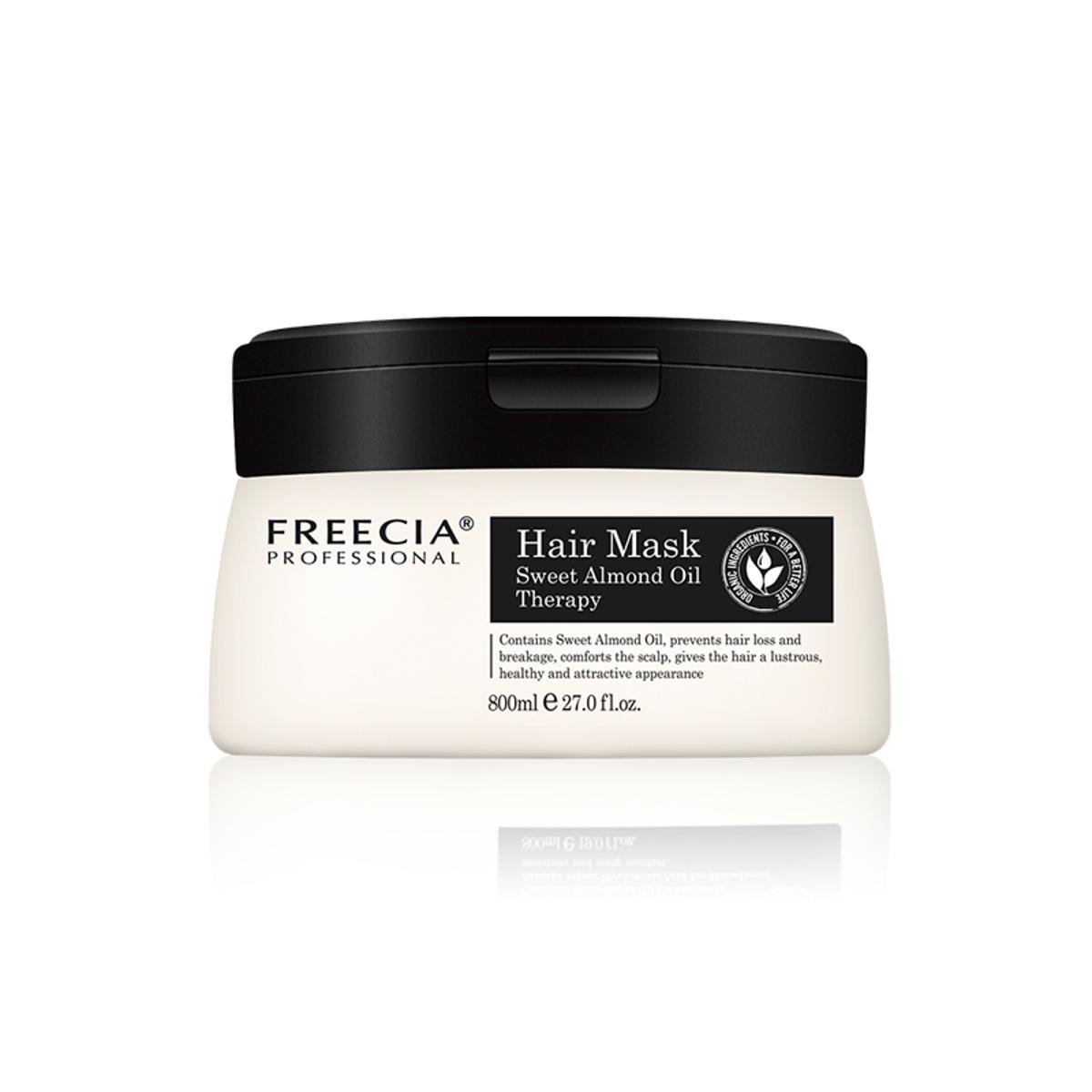
Professional hair masks, like those offered by Freecia, are formulated using scientifically balanced ingredients designed to address specific hair concerns. They often include advanced compounds such as keratin, peptides, hyaluronic acid, amino acids, vitamins, and botanical extracts. These ingredients are carefully combined to penetrate the hair shaft, repair damage, and protect against future stressors.
Key Advantages of Professional Hair Masks
- Controlled formulations: Ingredients are measured for optimal effectiveness
- Targeted solutions: Masks are designed for dryness, frizz, damage, or color-treated hair
- Deep penetration: Specialized delivery systems allow nutrients to reach the inner hair layers
- Consistency and safety: Professional masks undergo quality control, ensuring reliable results
DIY Hair Masks vs Professional Hair Masks: Key Differences
1. Ingredient Potency
DIY hair masks rely on natural ingredients, which are generally mild. While they provide hydration and some nourishment, they lack the concentrated proteins and active compounds found in professional masks. For example, a DIY avocado mask may moisturize, but it cannot rebuild keratin or repair heat damage as effectively as a professional formula.
2. Hair Concerns Addressed
DIY masks are best suited for minor dryness or temporary shine. In contrast, professional hair masks target specific concerns, including chemical damage, split ends, frizz, breakage, and scalp issues.
3. Consistency and Stability
DIY masks must be made fresh, as natural ingredients can spoil or degrade quickly. Professional masks are formulated for long shelf life while maintaining ingredient potency.
4. Time and Convenience
DIY masks require preparation and careful application. Professional masks are ready to use, often with recommended application times and techniques for maximum results.
5. Predictable Results
Professional hair masks deliver consistent results due to precise formulations. DIY masks can vary in effectiveness depending on ingredient quality, ratios, and how long the mask is left on the hair.
Can DIY Masks Be a Complement?
Yes! DIY masks can be used occasionally to supplement your hair care routine. For example, using a natural honey and yogurt mask can give your hair a temporary boost of moisture. However, for serious damage or long-term improvement, professional hair masks like Freecia are more reliable.
Tips for Using DIY Hair Masks Safely
- Use fresh, high-quality ingredients
- Avoid ingredients that can irritate the scalp (e.g., citrus juice in sensitive skin)
- Rinse thoroughly to prevent residue build-up
- Limit use to 1–2 times per week to avoid overloading hair with oils
Professional Hair Masks: When to Choose Them
If your hair experiences regular heat styling, coloring, chemical treatments, or environmental stress, professional masks are the best solution. They provide intensive care, restore strength, and maintain hair health over time. Brands like Freecia ensure that hair receives balanced nutrition and protection, reducing breakage, frizz, and dryness effectively.
Conclusion
While DIY hair masks are a fun and natural way to add moisture and shine to your hair, they cannot match the depth of repair and nourishment provided by professional hair masks. Professional formulations, like those from Freecia, are designed to penetrate deeply, strengthen hair, and target specific concerns with precision. For individuals seeking visible results and healthier hair over the long term, investing in a high-quality, scientifically formulated mask is worthwhile. When it comes to achieving smooth, strong, and revitalized hair, the Best Hair Mask in Pakistan can make all the difference, offering reliable results that DIY masks simply cannot replicate.