
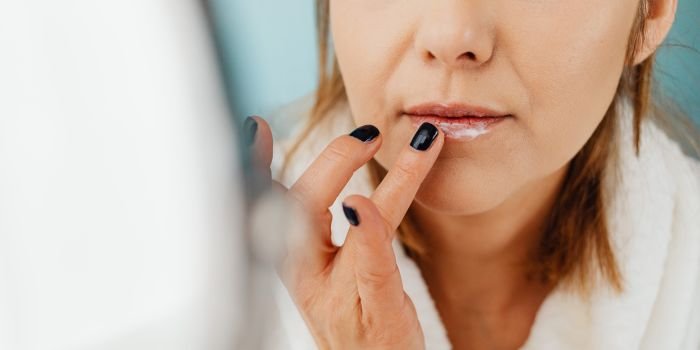
When people think about sun protection, they usually focus on applying sunscreen to their face, arms, and legs. However, one small but very sensitive area that often gets ignored is the lips. Lip protection from the sun is extremely important because the skin on your lips is thinner and more delicate than the skin on other parts of your body. Without proper care, exposure to harmful ultraviolet (UV) rays can cause dryness, sunburn, premature aging, and even increase the risk of serious skin conditions.
Healthy lips are not only important for appearance but also for overall skin health. Understanding why lip protection from the sun matters and how to protect your lips can help you maintain soft, healthy lips throughout the year.
Why Lips Are More Vulnerable to Sun Damage
Unlike the rest of your skin, lips lack many protective features. The skin on the lips contains very little melanin, which is the pigment responsible for protecting skin from UV radiation. Because of this, lips are much more prone to sunburn and damage.
Another reason lips are vulnerable is that they do not have oil or sweat glands. These glands normally help keep the skin hydrated and protected. Without them, lips can easily become dry, cracked, and irritated when exposed to sunlight, wind, and heat.
In addition, the outer layer of the lips is much thinner compared to other areas of the body. This makes it easier for UV rays to penetrate the skin and cause damage at a deeper level.
Due to these factors, lip protection from the sun should be just as important as applying sunscreen to your face.
How UV Rays Damage Your Lips
Sunlight contains two main types of ultraviolet radiation that affect the skin: UVA and UVB rays. Both types can harm your lips in different ways.
UVB rays are primarily responsible for sunburn. When your lips are exposed to strong sunlight without protection, UVB rays can cause redness, swelling, and painful burning. In severe cases, lips may blister or peel.
UVA rays penetrate deeper into the skin and contribute to long-term damage. These rays break down collagen and elastin, which are proteins that keep skin smooth and firm. Over time, this can lead to premature aging of the lips, including wrinkles, fine lines, and loss of natural color.
Continuous exposure to UV radiation can also cause a condition known as actinic cheilitis. This condition results in persistent dryness, scaling, and rough patches on the lips. If left untreated, it may increase the risk of developing lip cancer.
Because of these risks, consistent lip protection from the sun is essential for maintaining healthy lips.
Signs Your Lips Are Damaged by the Sun
Many people do not realize that their lips are suffering from sun damage until symptoms appear. Recognizing these signs early can help prevent further harm.
One of the most common symptoms is dry, chapped lips that do not improve with regular lip balm. Sun-damaged lips may also appear red, swollen, or tender.
Another sign is peeling or flaking skin on the lips. This happens when the outer layer of skin becomes damaged and begins to shed.
Some people may notice discoloration or dark spots on their lips due to prolonged sun exposure. Over time, the natural softness of the lips may fade, making them appear rough or uneven.
If you experience persistent cracking, bleeding, or thick patches on the lips, it may be a sign of a more serious issue that requires medical attention.
Long-Term Effects of Sun Exposure on Lips
While occasional sun exposure may only cause temporary dryness or mild sunburn, repeated exposure over time can lead to long-term damage.
One of the most noticeable effects is premature aging. Lips exposed to the sun regularly may lose their natural plumpness and develop fine lines around the mouth.
Chronic sun exposure can also cause hyperpigmentation, making lips appear darker or uneven in color.
In more serious cases, long-term UV exposure can lead to actinic cheilitis, a precancerous condition that mainly affects the lower lip. This condition is often seen in people who spend a lot of time outdoors without lip protection.
If actinic cheilitis is not treated, it can sometimes progress into squamous cell carcinoma, a type of skin cancer that affects the lips.
These risks highlight the importance of making lip protection from the sun a daily habit.
Simple Ways to Protect Your Lips from the Sun
The good news is that protecting your lips from sun damage is simple and easy if you follow a few basic habits.
Use Lip Balm with SPF
One of the most effective ways to protect your lips is by using a lip balm that contains sun protection factor (SPF). Dermatologists usually recommend using lip balms with SPF 30 or higher for adequate protection.
Apply the lip balm generously before stepping outside and reapply every two hours, especially after eating, drinking, or swimming.
Avoid Peak Sun Hours
The sun’s rays are strongest between 10 AM and 4 PM. If possible, try to limit direct sun exposure during these hours. If you need to be outside, make sure to reapply your SPF lip balm frequently.
Wear Protective Accessories
Wearing a wide-brimmed hat or using an umbrella can help reduce direct sunlight exposure to your face and lips. These simple measures provide an extra layer of protection.
Stay Hydrated
Drinking plenty of water helps keep your lips hydrated from the inside. Proper hydration reduces the chances of dryness and cracking caused by sun exposure.
Avoid Licking Your Lips
Many people lick their lips when they feel dry, but this habit can actually make the problem worse. Saliva evaporates quickly and leaves lips even drier than before.
Instead, apply moisturizing lip balm whenever your lips feel dry.
Choosing the Right Lip Protection Products
Not all lip balms provide effective sun protection. When selecting a product, it is important to check the label carefully.
Look for lip balms that offer broad-spectrum protection, which means they protect against both UVA and UVB rays.
Ingredients such as zinc oxide and titanium dioxide are excellent mineral-based sun blockers that help protect delicate lip skin.
Some lip balms also include nourishing ingredients like shea butter, coconut oil, vitamin E, and beeswax. These ingredients help moisturize the lips while protecting them from environmental damage.
For people who spend a lot of time outdoors, water-resistant lip balms can provide longer-lasting protection.
The Importance of Daily Lip Care
Many people only think about sun protection during summer or beach trips, but UV rays can damage your lips throughout the year. Even on cloudy days, up to 80% of UV radiation can still reach your skin.
Winter conditions can also make lips more vulnerable because cold winds and dry air strip away moisture from the skin. When combined with sun exposure, this can lead to severe dryness and cracking.
This is why lip protection from the sun should be part of your daily skincare routine, just like applying sunscreen to your face.
Taking a few seconds to apply SPF lip balm each day can make a big difference in maintaining healthy, youthful lips.
Conclusion
Lips are one of the most delicate parts of the body, yet they are often neglected when it comes to sun protection. Because lips have thinner skin, less melanin, and no oil glands, they are highly vulnerable to UV damage.
Without proper lip protection from the sun, your lips can suffer from dryness, sunburn, premature aging, and even serious conditions like actinic cheilitis.
By using SPF lip balm, staying hydrated, avoiding peak sunlight hours, and following a consistent lip care routine, you can protect your lips from harmful UV rays and keep them soft, healthy, and youthful.
Caring for your lips is not just about beauty—it is an important step in protecting your overall skin health. Making sun protection a daily habit will ensure your lips stay healthy and comfortable in every season.