
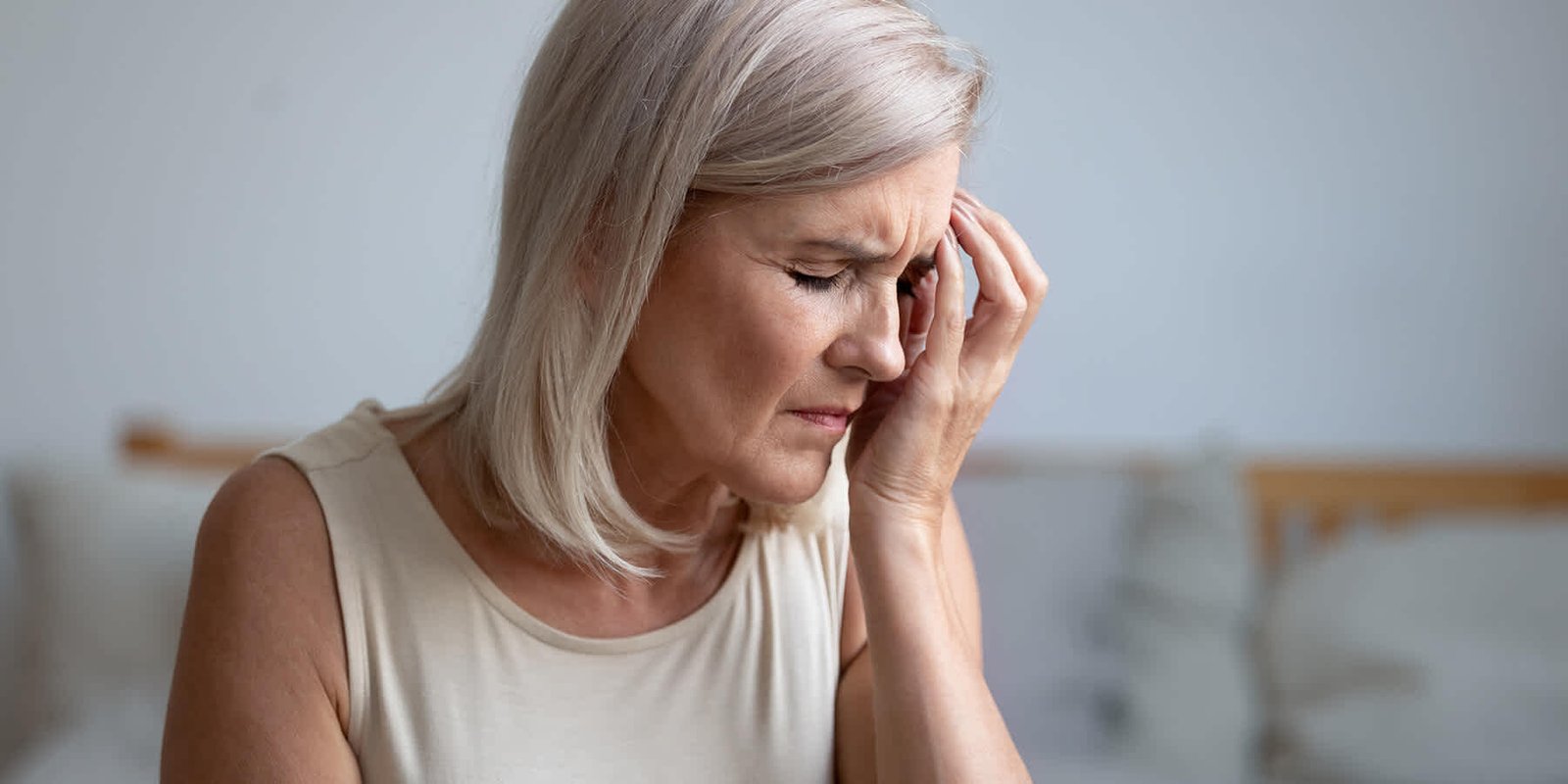
Understanding Postmenopause and Its Meaning
Postmenopause is the life stage that begins after a woman has gone twelve consecutive months without a menstrual period, and it represents a natural biological transition rather than a medical condition. During this phase, the ovaries produce significantly lower levels of estrogen and progesterone, which are hormones that previously regulated the menstrual cycle and supported many systems in the body. Although many women expect symptoms to disappear once menopause ends, the truth is that this stage can still bring physical, emotional, and metabolic changes that deserve attention and proper care. Align Health and Menopause emphasizes that understanding this stage empowers women to take proactive steps toward maintaining vitality, confidence, and overall wellbeing rather than feeling uncertain or overwhelmed by hormonal shifts.
Physical Changes Women May Notice During Postmenopause
As the body adapts to lower hormone production, several physical changes may occur that vary from person to person. Some women experience hot flashes less frequently, while others notice new concerns such as joint stiffness, thinning hair, or changes in skin elasticity. Bone density may gradually decline due to reduced estrogen levels, increasing the importance of calcium intake, vitamin D support, and strength based exercise. Weight distribution may also shift, often leading to increased abdominal fat even without significant lifestyle changes. These physical developments are not signs of illness but indicators that the body is evolving and requires adjusted nutrition, fitness, and medical awareness to remain strong and balanced throughout postmenopause.
Emotional and Mental Wellbeing After Menopause
Hormonal transitions influence more than the body; they also affect mood, sleep quality, and cognitive clarity. Some women experience irritability, mild anxiety, or brain fog during postmenopause, especially if sleep patterns are disrupted. Emotional wellness becomes closely tied to lifestyle habits such as regular movement, social interaction, and stress management practices like meditation or journaling. Align Health and Menopause often highlights that emotional fluctuations are valid experiences rather than weaknesses, and acknowledging them is the first step toward improvement. Support systems, counseling, and open conversations with healthcare providers can significantly improve mental resilience and help women feel more stable and confident in daily life.
The Role of Hormonal Balance and Medical Support
Even after menopause ends, hormonal balance remains an important topic because extremely low estrogen levels can contribute to discomfort or long term health risks. Hormonal imbalance testing allows healthcare professionals to evaluate levels of estrogen, progesterone, thyroid hormones, and testosterone to determine whether supportive treatment is beneficial. In some cases, personalized hormone therapy can help relieve persistent symptoms such as vaginal dryness, sleep disturbances, or bone density loss. Clinics like Align Health and Menopause focus on individualized assessment rather than a one size fits all solution, ensuring that each woman receives guidance based on her unique biology, health history, and personal goals.
Vaginal Health and Intimate Comfort in Later Years
A frequently overlooked topic is vaginal comfort and intimate wellness. Reduced estrogen levels can cause thinning of vaginal tissues, dryness, and discomfort during intimacy, which may affect confidence and relationships. Vaginal rejuvenation treatment has become an option for women seeking non surgical solutions that promote improved elasticity, hydration, and sensitivity. These treatments are designed to support tissue health and restore comfort rather than change appearance. When combined with proper medical evaluation and safe technology, such approaches can significantly enhance quality of life during postmenopause by addressing issues that many women hesitate to discuss openly.
Lifestyle Adjustments That Promote Long Term Strength
Healthy habits play a major role in how women experience aging after menopause. Nutrition rich in lean protein, fiber, and healthy fats supports muscle maintenance and heart health, while regular physical activity preserves bone density and flexibility. Strength training and low impact exercises such as walking, swimming, or yoga are particularly beneficial. Adequate hydration, quality sleep, and mindful stress management also influence hormone regulation and immune resilience. Align Health and Menopause encourages a holistic lifestyle approach because sustainable routines often deliver more lasting results than short term fixes. These daily practices create a foundation for confidence, independence, and physical vitality throughout postmenopause.
Modern Treatment Options and Online Accessibility
Healthcare access has expanded significantly in recent years, allowing women to explore services from the comfort of home. The availability of best online hormone replacement therapy programs enables consultations, testing coordination, and follow up care without geographical limitations. This convenience is especially valuable for women balancing work, caregiving responsibilities, or limited mobility. While online options provide flexibility, professional supervision remains essential to ensure safe dosing and continuous monitoring. Responsible medical guidance, whether virtual or in person, ensures that women receive accurate information and effective support tailored to their evolving needs during postmenopause.
Broader Hormonal Health and Inclusive Care Perspectives
Hormonal wellness is not limited to women alone; understanding endocrine balance benefits everyone. Discussions about hormone therapy for men highlight how testosterone decline can also affect mood, energy, and muscle strength. Recognizing hormonal health as a universal topic promotes empathy and shared awareness among families and communities. Clinics such as Align Health and Menopause often integrate comprehensive hormone education to encourage informed decisions for both women and men, fostering a culture where seeking help is viewed as proactive self care rather than a sign of vulnerability. Inclusive awareness helps normalize conversations about aging and health optimization across all genders.
Embracing Confidence and Purpose in the Postmenopause Stage
Rather than viewing this stage as an ending, many women find it to be a period of renewed independence and self discovery. With fewer reproductive concerns and often more personal freedom, women can redirect focus toward hobbies, travel, career growth, or community involvement. Knowledge about physical and emotional health allows women to make informed choices that align with their aspirations and comfort levels. Align Health and Menopause promotes the idea that education, medical support, and self compassion together create a strong framework for thriving beyond menopause. When women understand their bodies and access appropriate resources, postmenopause becomes not just a biological phase but an opportunity for empowerment, clarity, and long term wellbeing.