
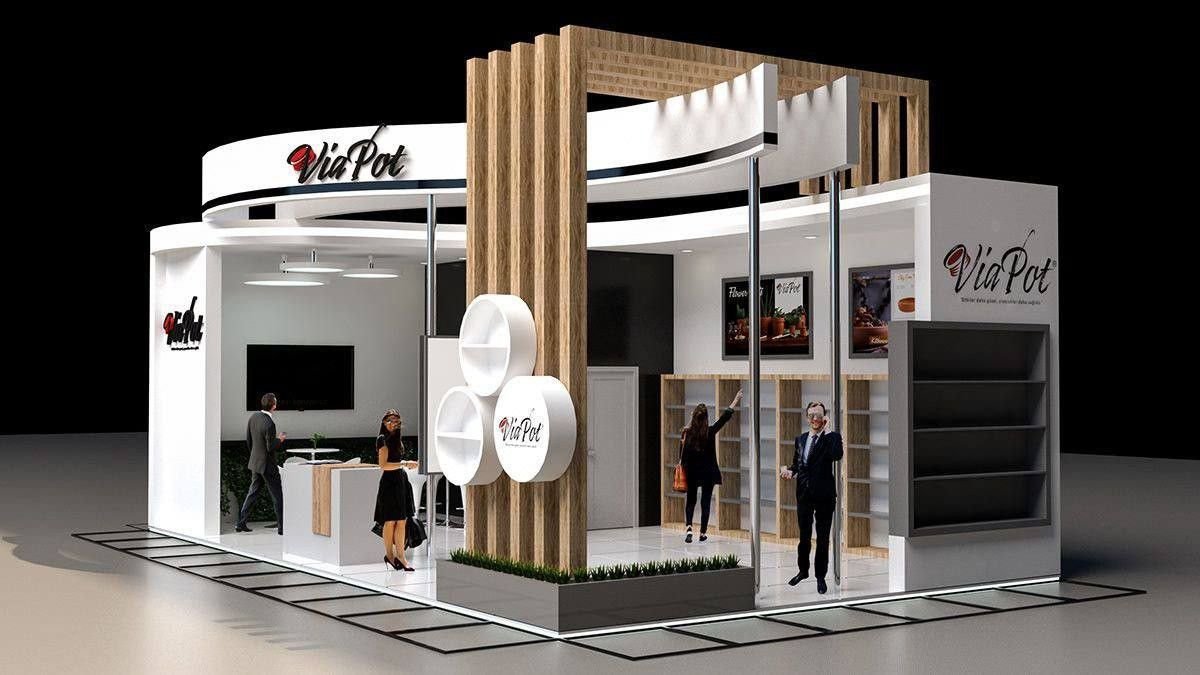
Hannover is widely recognized as a hub for industrial innovation, hosting trade fairs that attract engineers, technical specialists, and decision-makers from across the globe. These engineering-focused audiences bring distinct expectations to exhibition environments, shaping how stands are planned, structured, and experienced. Unlike consumer-oriented exhibitions, engineering trade fairs prioritize functionality, clarity, and technical depth. As a result, stand design in Hannover must respond carefully to the mindset, behavior, and professional needs of engineering visitors.
Understanding the Engineering Audience Profile
Engineering audiences typically attend exhibitions with specific objectives. They are often looking for technical solutions, performance data, system compatibility, or process improvements rather than visual entertainment. Their background enables them to evaluate products critically, and they value accuracy, transparency, and logical presentation. This influences how information is displayed, how spaces are organized, and how interactions are facilitated on the exhibition floor.
Engineers also tend to spend more time analyzing details. They are less likely to be attracted by surface-level aesthetics and more interested in how things work. This behavioral pattern directly affects Exhibition Stand Design in Hannover, especially in events focused on manufacturing, automation, energy, and industrial technology, where clarity and precision matter more than dramatic visual appeal.
Layouts That Support Technical Exploration
The spatial layout of a stand aimed at engineering audiences must encourage structured exploration. Open layouts with clearly defined zones help visitors navigate complex information without feeling overwhelmed. Demonstration areas, product display sections, and discussion spaces should be logically separated but visually connected.
Straightforward pathways and uncluttered arrangements allow engineers to focus on exhibits without distraction. Wide walkways, comfortable standing areas, and accessible demo stations support longer dwell times, which are common at engineering exhibitions where in-depth conversations are expected.
Emphasis on Functional Aesthetics
While aesthetics still play a role, engineering-oriented stand design favors functional beauty. Clean lines, neutral color palettes, and industrial materials often resonate more strongly with technical audiences. These elements subconsciously reinforce reliability, precision, and professionalism.
Lighting is used strategically rather than decoratively. Focused lighting highlights machinery, components, or digital interfaces, ensuring visibility and reducing glare. Visual distractions are minimized so that attention remains on the technical content being presented.
Information-Rich Visual Communication
Engineering audiences require detailed and accurate information, but how that information is presented is crucial. Dense text blocks can be counterproductive, even for technically skilled visitors. Instead, diagrams, infographics, flowcharts, and annotated visuals are commonly used to explain complex systems efficiently.
Digital screens often play a key role, allowing exhibitors to present simulations, performance metrics, and real-time data. Interactive displays enable engineers to explore specifications at their own pace, making the stand experience more engaging and informative without being overwhelming.
Demonstration and Hands-On Interaction
Live demonstrations are particularly effective for engineering audiences. Seeing a machine operate, a system integrate, or a process unfold builds credibility and trust. Hannover exhibitions frequently feature working models or scaled-down systems that allow visitors to assess functionality directly.
Hands-on interaction also supports deeper understanding. Touchscreens, adjustable components, and modular displays let engineers test ideas and ask informed questions. These interactive elements influence stand design by requiring durable materials, safety considerations, and flexible layouts.
Spaces for Technical Dialogue
Engineering exhibitions are not just about showcasing products; they are also about exchanging knowledge. Quiet discussion areas within stands are essential for technical conversations, consultations, and problem-solving discussions. These spaces are often semi-enclosed to reduce noise while remaining visually open.
Furniture choices in these areas prioritize comfort and practicality. Tables large enough for drawings, laptops, or documentation support meaningful technical exchanges. Acoustic planning becomes important, especially in busy halls where ambient noise can interfere with detailed discussions.
Adaptation to Hannover’s Industrial Exhibition Culture
Hannover’s reputation for large-scale industrial fairs influences visitor expectations. Engineering audiences attending events here are accustomed to high standards of organization and content depth. Stand designs must align with this culture by demonstrating professionalism, preparedness, and technical authority.
This context also explains why exhibitors often collaborate closely with an Exhibition Stand Builder in Germany to ensure that structural design, technical compliance, and functional planning meet both local regulations and the expectations of an experienced engineering audience.
Conclusion
Engineering audiences significantly shape stand design strategies in Hannover by prioritizing clarity, functionality, and technical substance over visual spectacle. Their analytical mindset demands structured layouts, information-rich displays, and opportunities for hands-on interaction and meaningful dialogue. Successful stand design in this environment reflects an understanding of how engineers think, move, and engage within exhibition spaces. By aligning spatial planning, visual communication, and interaction design with these expectations, exhibitors can create environments that support knowledge exchange and technical evaluation—key objectives of engineering-focused trade fairs in Hannover and beyond.