
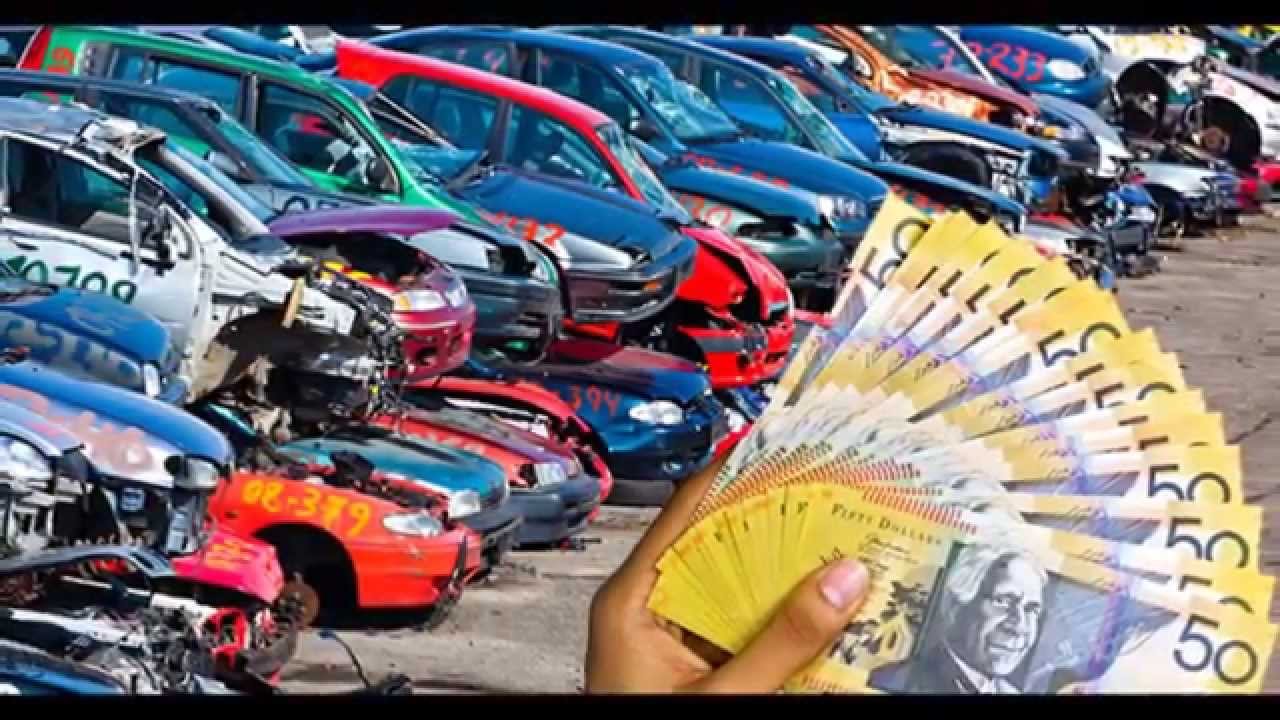
Selling a car in Adelaide follows a clear path, but many owners do not fully understand how each stage works. Some vehicles are sold for daily use, while others are no longer suitable for the road. Registration status, vehicle condition, ownership papers, and market demand all play a role. Knowing how the process works helps car owners avoid confusion and delays.
This guide explains each step involved in selling a car in Adelaide. It focuses on facts, local rules, and common practices. The aim is to help vehicle owners understand what happens from the first decision to the final handover.
Understanding the Adelaide Car Market
Adelaide has a mixed car market. Some buyers look for vehicles they can drive straight away. Others focus on damaged, old, or unused cars. According to Australian vehicle data trends, thousands of cars are removed from registration records in South Australia every year due to age, accidents, or mechanical failure.
Weather conditions, distance between suburbs, and road usage also affect vehicle wear in Adelaide. Cars with high mileage or long-term mechanical issues often move out of private sale channels and into buyer networks that deal with non-standard vehicles.
Step One: Deciding to Sell the Vehicle
The selling process begins when the owner decides that keeping the car no longer makes sense. Common reasons include repeated repairs, loss of registration, accident damage, or lifestyle changes.
At this stage, owners usually review:
- The condition of the vehicle
- Registration status
- Remaining loan or finance details
- Ownership documents
In South Australia, the registered owner must have legal authority to sell the vehicle. If finance is attached, it must be cleared before ownership can change.
Step Two: Checking Registration and Legal Status
Registration status plays a major role in the selling path. Some cars are fully registered, while others are unregistered or written off. South Australia requires sellers to disclose this information clearly.
A car may be unregistered due to:
- Lapsed renewal
- Long-term storage
- Mechanical faults
- Damage that failed inspection
Selling an unregistered vehicle is legal, but the buyer must be informed. Transfer rules differ from registered vehicle sales, and plates may need to be returned to Service SA.
Step Three: Gathering Vehicle Information
Buyers usually ask for clear details before moving ahead. Owners prepare information such as:
- Make and model
- Year of manufacture
- Engine type
- Odometer reading
- Damage history
Accurate details matter. Providing false or missing information can lead to delays or cancelled sales. In South Australia, false declarations may also create legal problems if disputes arise later.
Step Four: Ownership and Paperwork Review
Paperwork is a key part of the process. The most common documents include:
- Proof of ownership
- Photo identification
- Vehicle Identification Number confirmation
For registered cars, a Notice of Disposal must be lodged with Service SA. This step protects the seller from future liabilities such as fines or toll notices.
Unregistered vehicles follow a different paperwork path, but proof of ownership is still required.
Step Five: Vehicle Assessment
Once details are shared, the vehicle is assessed. Assessment may be based on photos, descriptions, or physical inspection. Buyers consider:
- Body condition
- Engine state
- Transmission health
- Missing parts
According to Australian recycling data, over eighty per cent of a vehicle by weight can be reused or recycled. This is why even damaged or non-running cars still attract interest.
Step Six: Price Discussion and Agreement
After the assessment, a price is discussed. This figure is based on vehicle condition, demand for parts, metal content, and current market rates. Prices differ across models and years.
At this stage, the seller can accept or decline. There is no obligation to move forward until both sides agree. Clear communication avoids misunderstandings later.
Step Seven: Choosing the Right Selling Channel
Car owners in Adelaide use different channels depending on the vehicle condition. Private sales often suit roadworthy cars. Dealership trade-ins work for newer models. Other buyers focus on cars that are no longer suitable for resale.
Some sellers choose services that specialise in sell my car adelaide solutions when the vehicle is damaged, unregistered, or no longer useful. This option fits owners who want the car removed and ownership cleared without listing or inspections.
This approach connects directly with the steps already discussed, as paperwork, assessment, and transfer are handled in one process rather than across multiple parties.
Step Eight: Finalising the Sale
Once both sides agree, the sale moves to completion. This stage includes:
- Confirming payment method
- Completing ownership transfer
- Handing over the vehicle
For registered vehicles, plates may stay with the car. For unregistered vehicles, plates are removed and returned to Service SA. Sellers should keep copies of all documents for records.
Step Nine: Vehicle Collection or Delivery
The final stage involves moving the vehicle. Registered cars may be driven away. Unregistered or damaged vehicles are transported using suitable equipment.
Australian transport rules require that unregistered vehicles not be driven on public roads unless a permit is issued. Most sellers rely on buyers who arrange lawful transport.
Environmental and Legal Considerations
Car selling in Adelaide also connects with environmental responsibility. South Australia follows national vehicle recycling standards. Fluids, batteries, and metals must be handled correctly.
Improper disposal can lead to fines. Choosing a lawful buyer ensures the vehicle is processed within local regulations and environmental guidelines.
Common Mistakes to Avoid
Many sellers face issues due to:
- Missing ownership documents
- Not lodging disposal notices
- Providing incorrect vehicle details
- Ignoring registration status
Avoiding these mistakes helps the process stay on track from start to finish.
Final Thoughts
Selling a car in Adelaide follows a clear step-by-step path. Each stage, from deciding to sell through to final transfer, plays an important role. Registration status, paperwork, and honest details shape the outcome.
Understanding how the process works allows car owners to move forward with confidence. Whether the vehicle is roadworthy or not, knowing each step helps ensure the sale is completed properly under South Australian rules