
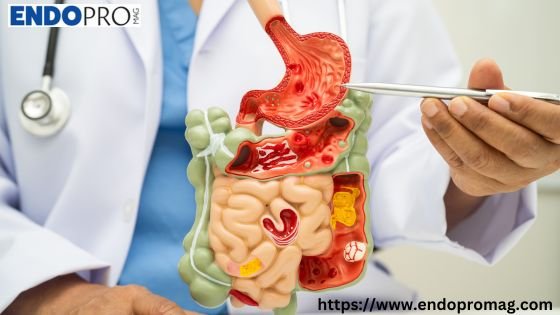
Digestive health plays a vital role in overall well-being, yet many people ignore early discomfort until it becomes severe. Recognizing Digestive Disorders Symptoms at an early stage can help prevent complications and improve quality of life. From mild bloating to persistent pain, the digestive system often sends warning signals that should not be overlooked. At Endopro Mag, we believe awareness is the first step toward better gut health.
Understanding the Digestive System and Its Sensitivity
The digestive system is responsible for breaking down food, absorbing nutrients, and removing waste. Even a minor disruption can affect energy levels, immunity, and mental clarity. Because the system is complex and sensitive, symptoms may appear subtle at first and gradually worsen if ignored.
Many people assume digestive discomfort is temporary, but repeated issues may indicate underlying conditions. Learning to recognize patterns and early signs can help you take action before problems become chronic.
Why Early Detection of Digestive Problems Matters?
Identifying digestive issues early can prevent long-term damage to the stomach, intestines, liver, or pancreas. Early diagnosis often means simpler treatment, faster recovery, and fewer lifestyle disruptions.
Persistent Digestive Disorders Symptoms may be the body’s way of signaling inflammation, infection, food intolerance, or structural problems. When detected early, medical professionals can recommend dietary changes, medication, or lifestyle adjustments that significantly improve outcomes.
Common Early Digestive Disorders Symptoms to Watch For
Some digestive warning signs are common and easily dismissed. However, if they occur frequently or intensify over time, they deserve attention.
Frequent Bloating and Gas
Occasional bloating is normal, but frequent or painful bloating may indicate poor digestion, food intolerance, or gut imbalance. It often worsens after meals and can be accompanied by discomfort or pressure.
Persistent Abdominal Pain
Recurring pain in the abdomen should never be ignored. Whether dull or sharp, pain may suggest ulcers, inflammation, or intestinal disorders. Tracking pain location and timing can help doctors identify the cause.
Changes in Bowel Habits as Warning Signals
The digestive system often reveals problems through changes in bowel movements.
Chronic Constipation or Diarrhea
Sudden or ongoing changes in stool consistency or frequency may reflect infections, irritable bowel conditions, or malabsorption issues. Persistent Digestive Disorders Symptoms like these indicate the gut is not functioning optimally.
Unusual Stool Appearance
Stools that are very dark, pale, greasy, or contain mucus may signal liver, gallbladder, or intestinal issues. These changes should be evaluated by a healthcare professional.
Nausea, Vomiting, and Appetite Changes
Digestive disorders often affect appetite and how the body reacts to food.
Ongoing Nausea
Frequent nausea without a clear cause may indicate gastritis, acid reflux, or delayed stomach emptying. If nausea interferes with daily activities, it’s a sign that evaluation is needed.
Loss of Appetite or Early Fullness
Feeling full after eating small amounts can point to stomach or intestinal issues. These Digestive Disorders Symptoms may lead to unintended weight loss if left untreated.
Acid Reflux and Heartburn: More Than Just Discomfort
Occasional heartburn is common, but frequent acid reflux is not normal.
Burning Sensation in the Chest
A recurring burning feeling after meals or at night may indicate gastroesophageal reflux disease (GERD). Over time, untreated reflux can damage the esophagus.
Sour Taste or Regurgitation
A sour or bitter taste in the mouth, especially when lying down, is another sign of acid moving upward. Persistent reflux-related Digestive Disorders Symptoms should be addressed early.
Fatigue and Nutrient Deficiency Signs
Digestive health directly impacts nutrient absorption. When digestion is impaired, the body may not receive essential vitamins and minerals.
Constant Tiredness
Unexplained fatigue can result from poor absorption of iron, vitamin B12, or other nutrients. Digestive disorders often contribute to this hidden exhaustion.
Weakness and Dizziness
These symptoms may signal anemia or electrolyte imbalance caused by ongoing digestive problems. They often accompany long-term Digestive Disorders Symptoms.
Warning Signs That Require Immediate Attention
Some digestive symptoms should prompt urgent medical consultation.
Blood in Stool or Vomit
This is never normal and may indicate ulcers, bleeding, or serious intestinal conditions. Immediate evaluation is essential.
Severe or Sudden Pain
Intense pain that appears suddenly can indicate obstruction, infection, or inflammation. Ignoring such Digestive Disorders Symptoms can be dangerous.
Lifestyle Factors That Worsen Digestive Symptoms
Modern lifestyles often contribute to digestive distress.
Poor diet, high stress, irregular eating habits, lack of sleep, and dehydration can all aggravate digestive issues. Over time, these habits may turn mild discomfort into persistent conditions. Recognizing how daily choices influence digestive health is key to prevention.
How Endopro Mag Supports Digestive Health Awareness?
At Endopro Mag, we emphasize early education and proactive care. Understanding warning signs empowers individuals to seek help before conditions escalate. Our focus is on promoting awareness, timely diagnosis, and informed discussions with healthcare providers.
By paying attention to early Digestive Disorders Symptoms, individuals can work with specialists to create personalized treatment and lifestyle plans that support long-term digestive wellness.
When to Consult a Specialist?
If digestive symptoms persist for more than a few weeks, worsen over time, or interfere with daily life, it’s time to consult a specialist. Early evaluation can rule out serious conditions and provide peace of mind.
Keeping a symptom diary, noting food triggers, and tracking frequency can help doctors make accurate assessments and recommend effective solutions.
The digestive system often communicates distress long before serious illness develops. Learning to recognize and respond to Digestive Disorders Symptoms early can prevent complications and improve overall health.
Rather than ignoring discomfort or relying on temporary relief, proactive attention and professional guidance make a lasting difference. With awareness, timely action, and trusted support from Endopro Mag, maintaining digestive health becomes a manageable and empowering journey.