
Introduction
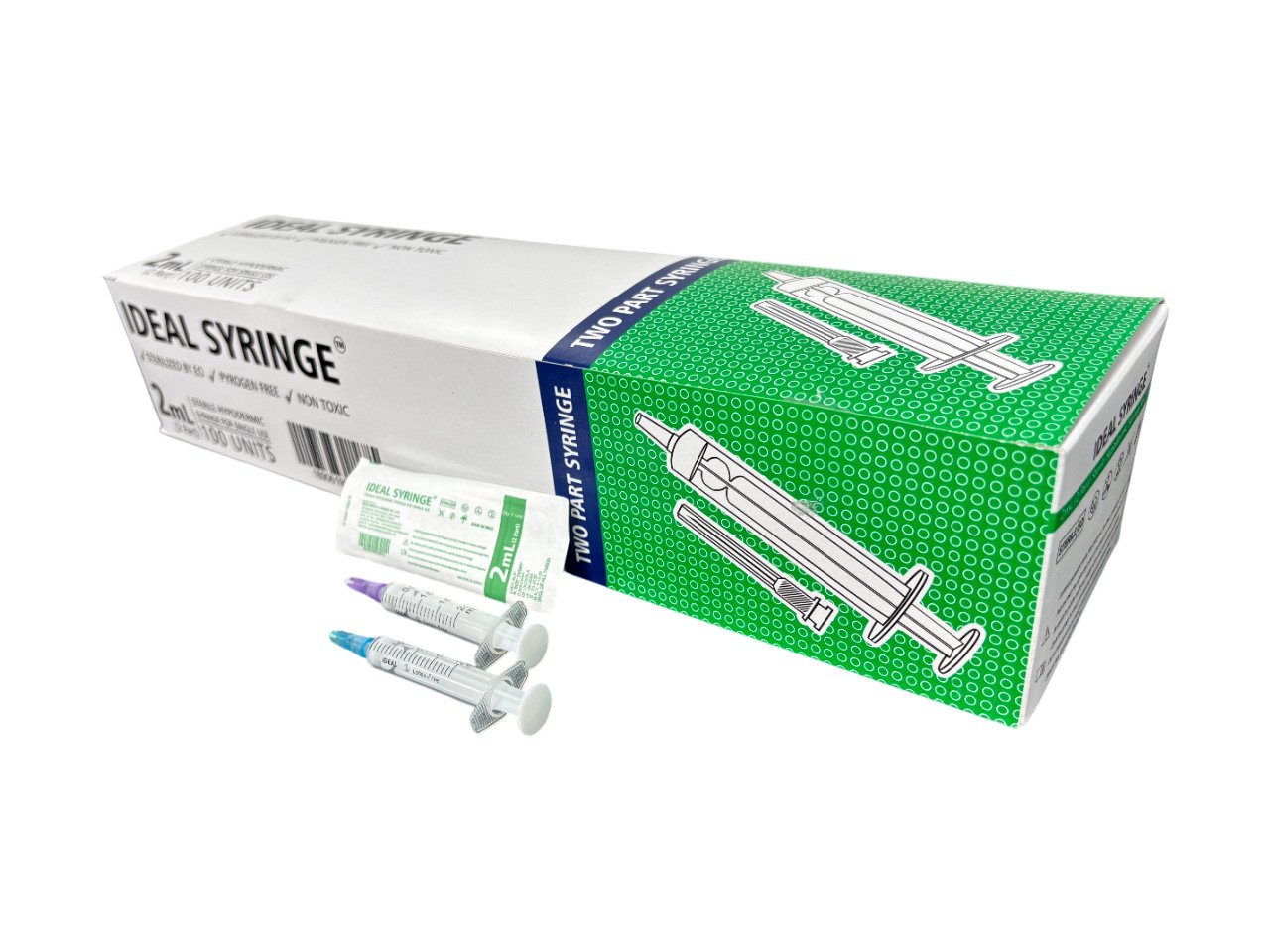
Disposable syringes are low-technology but critically important medical consumables used daily in hospitals, clinics, vaccination programs, and emergency care. The quality of syringes directly affects patient safety, correct medication dosing, infection control, and regulatory compliance. Selecting the right manufacturer is therefore a strategic decision for hospital procurement teams.
This article explains what hospitals and clinics should consider when purchasing Top disposable syringe manufacturer in India, highlights leading manufacturers and their strengths, shares supplier evaluation guidelines, and answers common questions to help healthcare institutions make informed procurement decisions.
Why Manufacturer Quality Is Important
Substandard disposable syringes can lead to incorrect dosage, leakage, needle detachment, contamination, and even needlestick injuries. These risks not only endanger patients but also expose healthcare providers to legal and regulatory consequences.
High-quality disposable syringes should include:
- Sterile, single-use design
- Accurate and clearly visible graduation markings
- Smooth and consistent plunger movement
- Secure needle attachment (luer lock, luer slip, or fixed needle)
- Validated sterilization processes
- Authorized and certified manufacturing practices
Maintaining these standards protects both patients and healthcare staff while supporting efficient, high-volume clinical workflows.
Regulatory and Standards Checklist
When evaluating disposable syringe suppliers in India, hospitals and clinics should confirm the following:
- ISO certification for medical device manufacturing
- Local regulatory approvals as per Indian medical device norms
- CE marking or equivalent certifications for export-quality products
- Validated sterilization methods such as Ethylene Oxide (EO) or Gamma radiation
- Batch-level traceability, expiry dates, and tamper-evident packaging
- Availability of auto-disable (AD) syringes or safety-engineered syringes for immunization and high-risk settings
Hospitals should always request certificates of analysis (COA), quality control documentation, and physical product samples during acceptance testing.
Leading Disposable Syringe Manufacturers in India
India is home to several well-established disposable syringe manufacturers supplying both domestic and global healthcare markets. Below is a shortlist of trusted manufacturers commonly used by hospitals and clinics.
Hindustan Syringes & Medical Devices (HMD)
Hindustan Syringes & Medical Devices is one of India’s largest and oldest medical device manufacturers. The company produces single-use disposable syringes, auto-disable syringes, and IV disposables. HMD has extensive experience supplying large public health programs and export markets.
Its strong focus on sterility, validated manufacturing processes, and wide product range makes HMD a preferred choice for hospitals requiring high-volume and immunization-grade syringes.
Terumo Penpol
Terumo Penpol is part of the global Terumo Group and combines international research capabilities with Indian manufacturing expertise. The company manufactures a variety of syringes and medical disposables, emphasizing quality control, innovation, and global standards.
Hospitals that prioritize consistent international quality and reliable after-sales support often choose Terumo Penpol. Its strong presence in India also ensures stable local inventory and service availability.
Nipro
Nipro is a globally recognized medical device company with syringe products designed for precision, safety, and ease of use. Its product range includes insulin syringes, luer-lock syringes, and prefilled syringe options.
Nipro syringes are widely used in clinical settings where accurate dosing, barrel clarity, smooth plunger movement, and compatibility with infusion systems are essential.
Sahajanand Medical Technologies (SMT)
Sahajanand Medical Technologies manufactures a broad range of medical devices, including disposable syringes and minimally invasive products. SMT has built strong manufacturing and supply chain capabilities that cater well to hospitals and surgical centers.
Its focus on scalability and institutional supply makes it suitable for medium to large healthcare buyers.
Other Indian Manufacturers and Regional Suppliers
India also has several regional and specialized manufacturers producing disposable syringes and needle assemblies. Companies such as Apex Medical Devices and manufacturers based in Gujarat and Maharashtra supply cost-effective solutions for clinics and smaller hospitals.
When working with regional suppliers, hospitals should carefully verify certifications, batch testing procedures, and packaging standards before placing large or long-term orders.
How Hospitals Should Evaluate Syringe Suppliers
A structured supplier evaluation process helps reduce risk and ensures consistent quality. Hospitals should consider:
Documentation Review
- ISO and CE certifications
- Manufacturing licenses
- Sterilization validation certificates
- Certificates of analysis (COA)
Sample Testing
- Physical fit and syringe-barrel compatibility
- Smoothness of plunger movement
- Accuracy and clarity of graduation markings
- Needle security and attachment strength
Facility and Quality Audits
- On-site manufacturing audits where possible
- Review of third-party quality control or inspection reports
Traceability and Recall Policy
- Clear batch traceability systems
- Defined recall and product return procedures
Logistics and Supply Reliability
- Ability to meet surge demand during vaccination drives or emergencies
- Reliable delivery schedules and inventory planning
After-Sales Support
- Warranty for manufacturing defects
- Timely replacement policies
- Technical support for specialized products such as prefilled syringes
Price vs. Quality: Finding the Right Balance
While cost is an important factor in high-volume procurement, choosing syringes based solely on price can increase long-term costs through wastage, compliance issues, and patient safety risks.
Hospitals should define minimum quality standards covering sterility, certifications, and dimensional tolerances, and ensure all suppliers meet these benchmarks. Vendor scorecards that prioritize quality and compliance over unit cost often deliver better long-term value.
Sustainable and Safer Syringe Options
Many hospitals are now adopting:
- Safety syringes with needlestick injury prevention
- Auto-disable syringes for immunization programs
- Reduced-plastic or recyclable packaging systems
When staff safety or sustainability is a priority, procurement teams should evaluate manufacturers offering these advanced solutions.
Rapid Procurement Checklist
- Verify certifications and regulatory approvals
- Obtain and test product samples
- Confirm sterilization method and shelf life
- Check packaging integrity and batch traceability
- Finalize service-level agreements for lead times and defect replacement
Frequently Asked Questions
Which syringes are best for general inpatient use?
Sterile single-use syringes with luer lock or detachable needles are commonly used. Sizes should match clinical needs, such as 1 mL for insulin, 2–5 mL for intramuscular injections, and 10 mL for irrigation or IV priming.
Are auto-disable syringes required in hospitals?
Auto-disable syringes are strongly recommended for mass immunization and high-risk settings. For routine inpatient care, safety-engineered syringes that prevent needlestick injuries may be more appropriate.
How often should hospitals audit syringe suppliers?
Annual audits are recommended. More frequent audits may be required for new suppliers, quality issues, or during periods of increased demand.
Are low-cost syringes safe to use?
Yes, provided the manufacturer meets certification requirements, follows validated sterilization processes, and supports batch testing. Documentation review and acceptance testing are essential.
What should be done if a defective batch is found?
Immediately quarantine the batch, inform the supplier, document the issue, and request corrective action. Follow institutional incident reporting and regulatory procedures if patient safety is impacted.
Conclusion
Choosing the right Top disposable syringe manufacturer in India requires balancing quality, compliance, supply reliability, and cost. Established manufacturers such as Hindustan Syringes & Medical Devices, Terumo Penpol, Nipro, and Sahajanand Medical Technologies provide a strong starting point for hospitals and clinics.
However, final procurement decisions should always be based on thorough documentation review, sample validation, and clearly defined service agreements. Prioritizing sterility, safety, and traceability ensures uninterrupted clinical operations and protects both patients and healthcare staff.