
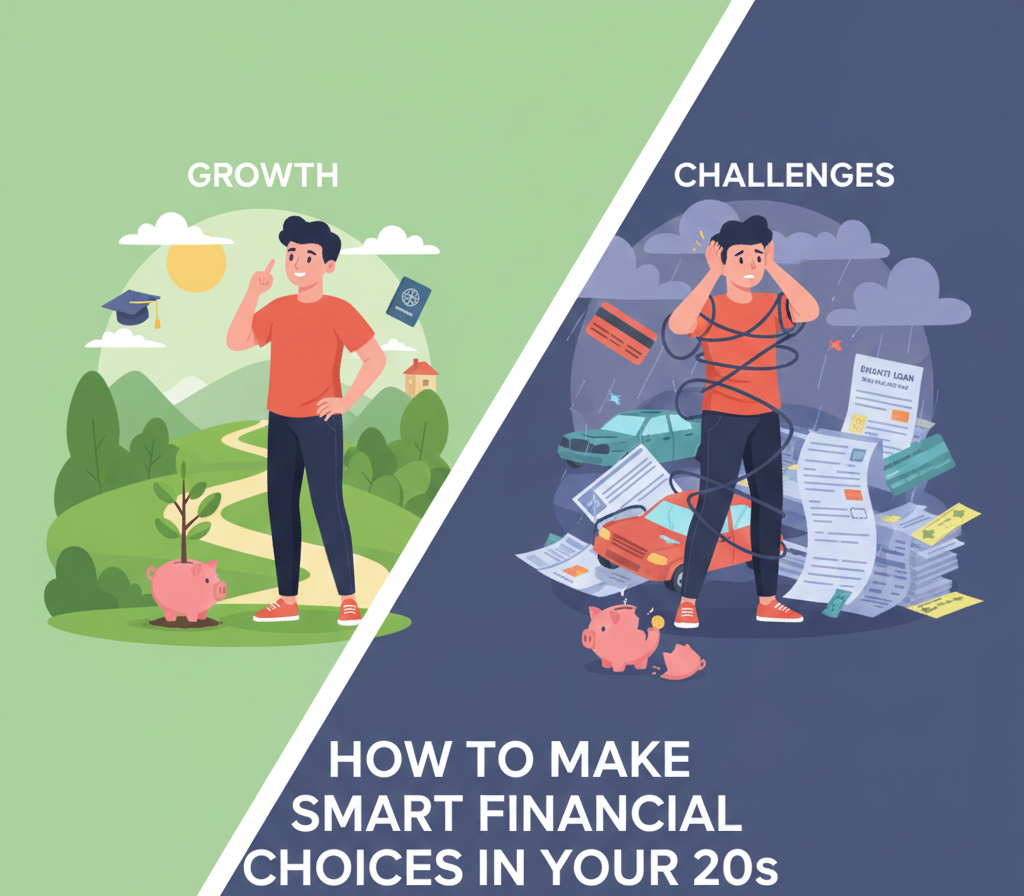
Your 20s are one of the most important decades for building a strong financial foundation. The choices you make during this time—how you earn, spend, save, and invest—can shape your financial freedom for years to come. While mistakes are common in your early adult years, smart financial decisions in your 20s can give you a major advantage later in life.
This guide breaks down practical, realistic steps to help you make confident financial decisions while balancing enjoyment and responsibility.
Why Financial Decisions in Your 20s Matter So Much
Many people believe serious financial planning can wait until their 30s or 40s. In reality, money decisions made in your 20s benefit the most from time, especially when it comes to compound interest, career growth, and habit formation.
Good decisions early can mean:
- Less debt stress later
- Faster wealth accumulation
- More freedom to take risks in your career
- Better preparedness for emergencies
Even small actions today can have a huge impact over the next 10–20 years.
Understand Your Income and Build Awareness
Before making any financial decision, you need clarity on how much money you earn and where it goes. Many people struggle financially not because they don’t earn enough, but because they don’t track their spending.
Start by:
- Listing your monthly income after taxes
- Tracking fixed expenses (rent, utilities, insurance)
- Tracking variable expenses (food, entertainment, travel)
Once you understand your cash flow, you can make intentional decisions instead of reacting to money problems.
Create a Simple, Flexible Budget
A budget doesn’t mean restriction—it means control. In your 20s, your income and lifestyle may change often, so your budget should be flexible.
A simple structure:
- 50% for needs (rent, food, bills)
- 30% for wants (entertainment, travel, hobbies)
- 20% for savings and investments
The goal isn’t perfection; it’s consistency. Even saving a small amount every month builds discipline and confidence.
Build an Emergency Fund Early
An emergency fund protects you from unexpected expenses like medical bills, job loss, or urgent travel. Without one, people often rely on credit cards or loans, leading to debt cycles.
Aim to save:
- $1,000 as a starter emergency fund
- Eventually 3–6 months of living expenses
Keep this money in a separate, easily accessible savings account. This fund gives you peace of mind and financial stability.
Use Credit Wisely and Avoid Bad Debt
Credit can be helpful or harmful depending on how you use it. In your 20s, building a good credit history is important—but not at the cost of financial stress.
Smart credit habits:
- Pay credit card balances in full each month
- Avoid high-interest consumer debt
- Never spend money you can’t repay
Good credit will help you later with renting, buying a car, or qualifying for better loan rates.
Also Read: How Global Delivery Solutions Improve Customer Satisfaction
Start Investing as Early as Possible
You don’t need a lot of money to start investing—you need time. Thanks to compound growth, even small investments in your 20s can grow significantly by retirement.
Begin with:
- Employer-sponsored retirement plans (like a 401(k))
- Index funds or ETFs
- Automatic monthly contributions
The earlier you start, the less you need to invest overall to reach your financial goals.
Balance Enjoyment With Responsibility
Your 20s are also a time to enjoy life—travel, experiences, hobbies, and fun matter. Financial responsibility doesn’t mean eliminating enjoyment; it means planning for it.
For example, some people budget a small amount each month for entertainment or leisure activities, whether that’s dining out, concerts, or even occasionally choosing to play superlotto for fun, while fully understanding it as entertainment rather than a financial strategy.
The key is moderation and awareness.
Avoid Lifestyle Inflation
As your income grows, it’s tempting to immediately upgrade your lifestyle—bigger apartment, new car, expensive habits. This is known as lifestyle inflation, and it can prevent wealth building.
Instead:
- Increase savings when income increases
- Upgrade slowly and intentionally
- Prioritize long-term goals over short-term status
Living slightly below your means is one of the most powerful financial habits you can build.
Invest in Yourself and Your Career
One of the best financial decisions in your 20s is investing in skills, education, and personal development. Higher earning potential often has a bigger impact than cutting small expenses.
Consider investing in:
- Professional courses or certifications
- Networking and mentorship
- Health and well-being
- Learning financial literacy
Your ability to earn and adapt is your greatest financial asset.
Set Long-Term Goals (Even If They Change)
You don’t need everything figured out, but having general goals helps guide your decisions. These might include:
- Buying a home
- Starting a business
- Achieving financial independence
- Traveling long-term
Review your goals annually and adjust as life changes. Financial planning is a process, not a one-time task.
Final Thoughts
Making smart financial decisions in your 20s isn’t about being perfect—it’s about being intentional. Track your money, save consistently, invest early, manage debt carefully, and allow yourself to enjoy life responsibly.
The habits you build now will shape your financial confidence, stability, and freedom for decades to come. Start where you are, take small steps, and remember: the best financial decision is the one you can sustain long term.