
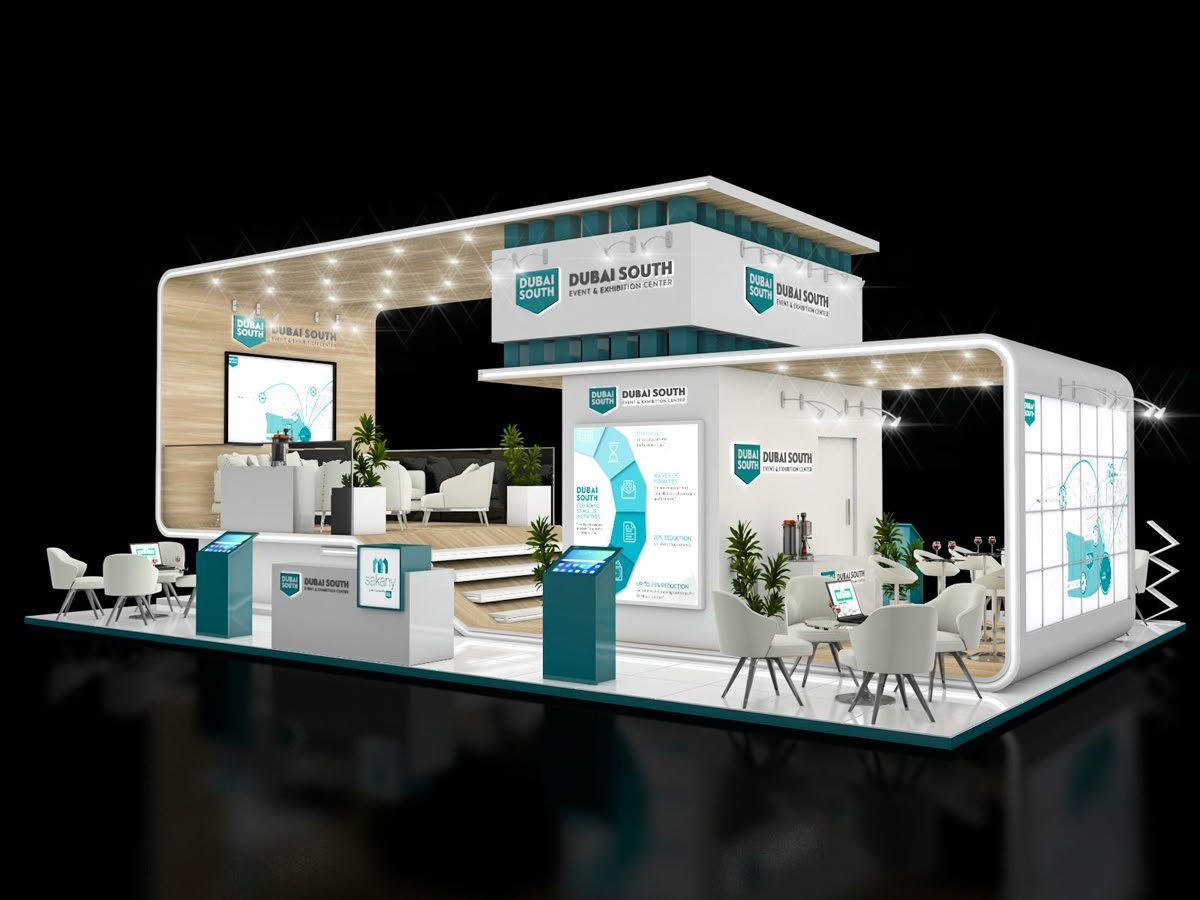
Space efficiency plays a critical role in exhibition stand planning, especially in a globally competitive trade fair hub like Frankfurt. With limited floor space and high exhibitor density, every square meter must serve a clear purpose. Effective space utilization not only enhances visitor movement but also improves brand communication, product visibility, and interaction quality. In this context, exhibition professionals, including an Exhibition Stand Builder in Frankfurt, must consider design logic, visitor psychology, and functional zoning to create stands that feel open, engaging, and purposeful rather than crowded or underutilized.
Why Space Efficiency Matters at Frankfurt Trade Fairs
Frankfurt hosts some of the world’s largest and most diverse trade fairs, attracting international audiences with varied expectations. Space efficiency directly impacts how visitors experience a stand within the limited time they have at an exhibition. Poorly planned layouts can lead to congestion, confusion, and missed engagement opportunities. On the other hand, well-organized spaces encourage longer dwell times, smoother visitor flow, and clearer messaging. Efficient use of space also helps exhibitors comply with venue regulations while maximizing their return on investment.
Understanding Visitor Flow and Movement
One of the foundations of space-efficient stand planning is understanding how visitors move through exhibition halls. Attendees typically follow natural walking paths and are drawn to open, visually accessible areas. Designing entrances that feel welcoming rather than restrictive helps guide visitors into the stand. Clear pathways, logical circulation routes, and unobstructed sightlines allow visitors to explore without feeling overwhelmed. By anticipating movement patterns, planners can reduce bottlenecks and create a more comfortable experience within limited floor space.
Functional Zoning Within the Stand
Dividing the stand into functional zones is a proven strategy for space efficiency. Each zone should have a specific purpose, such as product display, demonstrations, meetings, or informal interaction. These zones should flow naturally into one another without rigid physical barriers. For example, semi-open meeting areas can be integrated into the overall layout using furniture placement rather than walls. This approach maintains openness while still supporting multiple activities within a compact footprint.
Vertical Space Utilization
When floor space is limited, vertical design becomes increasingly important. Utilizing height through hanging elements, elevated branding, or vertical display panels allows exhibitors to communicate more without expanding the stand’s footprint. Vertical elements can also improve visibility from a distance, helping visitors identify the stand within crowded halls. However, vertical space should be used thoughtfully to avoid visual clutter or structural imbalance. Clear hierarchy in design ensures that vertical features support rather than overpower the overall layout.
Furniture Selection and Placement
Furniture plays a significant role in determining how efficiently space is used. Oversized or unnecessary furniture can quickly make a stand feel cramped. Selecting modular, multifunctional furniture allows spaces to adapt throughout the day. For instance, seating that doubles as storage or counters that serve both display and interaction purposes can reduce the need for additional elements. Strategic placement ensures that furniture supports movement and interaction rather than obstructing them.
Technology and Interactive Elements
Digital tools can enhance space efficiency when used correctly. Interactive screens, touch displays, or compact demo stations can replace large physical installations. These elements allow exhibitors to present extensive information without occupying excessive space. However, technology should be integrated seamlessly into the layout to maintain balance. Overuse of digital elements can distract visitors or disrupt flow, so their placement must align with the stand’s functional zones and visitor journey.
Compliance and Practical Constraints
Frankfurt exhibition venues have strict guidelines regarding stand height, accessibility, and safety. Efficient space planning must account for these regulations from the outset. Emergency exits, accessibility for all visitors, and structural limitations influence how space can be arranged. Working within these constraints requires careful planning to ensure that the stand remains functional, compliant, and visually appealing without sacrificing usability.
Conclusion
Understanding space efficiency in Frankfurt exhibition stand planning is about more than fitting elements into a defined area. It involves strategic thinking, audience awareness, and thoughtful design decisions that balance function with experience. By focusing on visitor flow, functional zoning, vertical utilization, and smart furniture choices, exhibitors can create stands that feel spacious and effective even within tight boundaries. These principles are applied across the industry by professionals, including an Exhibition Stand Builder in Germany, to ensure that exhibition spaces support meaningful engagement while meeting practical and regulatory demands.