
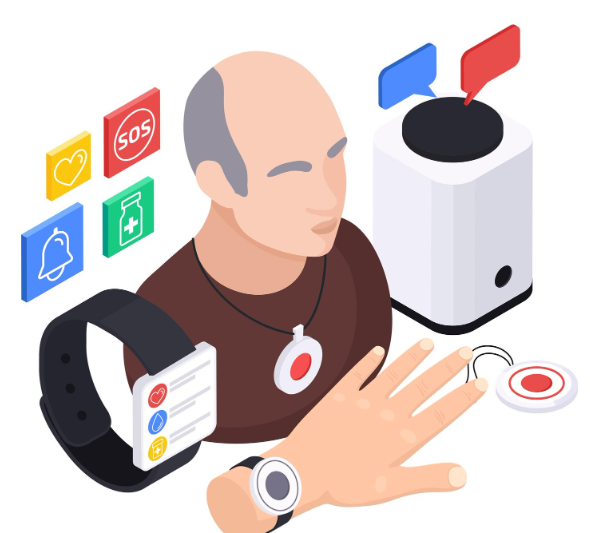
In today’s digital era, wearable product development is shaping the way people interact with technology. From smartwatches and fitness trackers to advanced medical wearables, the demand for connected devices is growing exponentially. As consumers seek more convenience, health monitoring, and connectivity, businesses are investing heavily in wearable technology to deliver personalized experiences and real-time data insights.
This article explores the importance of wearable product development, the process behind creating successful devices, and how it’s transforming industries such as healthcare, sports, and consumer electronics.
What Is Wearable Product Development?
Wearable product development refers to the process of designing, engineering, prototyping, and manufacturing smart devices that can be worn on the body. These devices are embedded with sensors, processors, and connectivity modules that collect and transmit data to smartphones or cloud systems.
Common examples include:
- Smartwatches (e.g., Apple Watch, Samsung Galaxy Watch)
- Fitness bands (e.g., Fitbit, Garmin)
- Smart clothing with biometric sensors
- Medical wearables (e.g., glucose monitors, ECG trackers)
- AR/VR headsets and smart glasses
The goal is to create compact, efficient, and user-friendly devices that improve quality of life through innovation and intelligence.
The Importance of Wearable Product Development
- Health Monitoring and Wellness:
Wearables have transformed healthcare by providing real-time monitoring of vital signs like heart rate, oxygen levels, and sleep quality. This continuous feedback helps users maintain better health and enables doctors to make data-driven diagnoses. - Enhanced User Experience:
With AI integration and intuitive interfaces, wearable products are designed to adapt to user behavior and preferences. This personalization makes them more engaging and effective. - Data-Driven Insights:
Every wearable device generates valuable data that can be analyzed to optimize performance, track habits, and predict future trends. - Innovation in Lifestyle:
From contactless payments to smart notifications, wearable devices enhance daily convenience and connect users seamlessly with their digital ecosystem.
Key Steps in Wearable Product Development
Developing a successful wearable product requires a structured approach that integrates technology, design, and usability.
1. Concept and Research
- Identify target users and pain points.
- Conduct market and competitor research to find innovation gaps.
- Define the product’s core features and functions.
2. Design and Prototyping
- Create ergonomic, lightweight, and aesthetic designs.
- Build prototypes for testing hardware components and user interaction.
- Focus on comfort and durability since the product is worn on the body.
3. Hardware Development
- Select microcontrollers, sensors, and batteries optimized for performance and power efficiency.
- Ensure compatibility with wireless technologies like Bluetooth, NFC, and Wi-Fi.
4. Software and Firmware Development
- Develop intuitive mobile apps or web dashboards for data visualization.
- Implement firmware for sensor integration, connectivity, and data processing.
- Prioritize cybersecurity and data privacy.
5. Testing and Certification
- Conduct rigorous functional and safety testing.
- Obtain certifications like CE, FCC, and ISO to meet industry standards.
6. Manufacturing and Scaling
- Partner with reliable production facilities for mass manufacturing.
- Implement quality assurance (QA) processes to maintain product reliability.
Applications of Wearable Product Development
- Healthcare: Remote patient monitoring, early disease detection, and rehabilitation tracking.
- Sports and Fitness: Performance tracking, calorie counting, and personalized training insights.
- Workplace Safety: Smart helmets and vests that detect fatigue or hazardous conditions.
- Entertainment and Gaming: Immersive AR/VR experiences through smart headsets.
- Fashion Tech: Integration of electronics into clothing for interactive experiences.
Challenges in Wearable Product Development
Despite its benefits, wearable product development faces several challenges:
- Miniaturization of Components: Fitting sensors and batteries into compact designs.
- Power Management: Ensuring long battery life without sacrificing performance.
- Data Security: Protecting sensitive user data from cyber threats.
- User Comfort: Designing wearables that are lightweight and non-intrusive.
Addressing these issues requires collaboration between hardware engineers, UX/UI designers, and software developers.
Future Trends in Wearable Product Development
- AI-Powered Health Analytics: Predictive health monitoring through AI-driven insights.
- Flexible and Stretchable Electronics: For next-gen smart fabrics and e-skins.
- Integration with IoT Ecosystems: Seamless communication between wearables, homes, and vehicles.
- Energy Harvesting Wearables: Devices powered by body heat or movement.
- Augmented Reality Integration: Enhanced productivity and interactive user experiences.
The future of wearables lies in creating smarter, smaller, and more efficient devices that blend seamlessly into everyday life.
Conclusion
Wearable product development is at the heart of the smart technology revolution. As consumers continue to embrace connected devices, companies that invest in innovative wearable solutions will lead the next wave of digital transformation. Whether it’s healthcare, fitness, or lifestyle, wearable technology is not just a trend — it’s the future.
FAQs About Wearable Product Development
Q1. What industries benefit most from wearable product development?
Healthcare, fitness, consumer electronics, sports, and safety industries are the primary beneficiaries of wearable innovations.
Q2. How long does it take to develop a wearable product?
Typically, it takes 6–12 months, depending on the complexity of design, testing, and certification.
Q3. What technologies are used in wearable product development?
Key technologies include Bluetooth Low Energy (BLE), IoT, AI, biometric sensors, and mobile app integration.
Q4. What are the main challenges in wearable development?
Power management, miniaturization, data security, and comfort are the top challenges developers face.
Q5. How can businesses start developing wearable products?
Businesses should collaborate with an experienced wearable product development company that offers end-to-end services from concept design to manufacturing.