
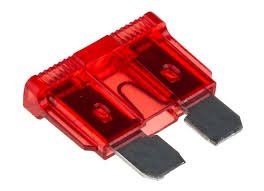
Today’s cars and industrial setups boast extensive utilization of electronics and sensitive devices. This means that a small burst or current flow can translate to hefty losses if not eliminated rapidly. It is here that a High Speed Fuse becomes essential. The type of fuse that has the ability to act almost instantaneously when a case of overcurrent arises to shield semiconductors, transformers, and other valuable components. Knowing the functionality of a High Speed Fuse and its appropriate application can have great cost and time implications.
What Exactly Is a High Speed Fuse?
A High Speed Fuse is a kind of fuse used in electrical circuits. This fuse has a faster reaction time compared to other fuses. The primary function of this component is to prevent excessive currents from reaching delicate components. While general fuses can allow current to flow before bursting, a High Speed Fuse has a really short time to melt when there is a problem.
Such fuses are quite common in industrial equipment, car electronics, and renewable energy systems. Their capability of limiting the amount of energy that goes to fragile devices is quite invaluable in modern electricity systems.
How High Speed Fuses Protect Equipment
Fast Reaction to Electrical Problems
Fast Reaction to Electrical Problems The principal benefit of a High Speed Fuse is the speed it acts when a short circuit or overload causes a power surge. The heating of the fuse element causes it to melt instantaneously, thus preventing the power from causing damage to the sensitive equipment. High speed fuses will, therefore, protect the equipment by preventing a power surge that may cause damage.
Reduced Repair Costs and Downtime
High Speed Fuses act quickly to prevent damage to expensive apparatus. In fact, standard fuses that act slowly can allow sufficient energy to cause damage to semiconductors and circuit boards. The use of a High Speed Fuse eliminates costly repairs and ensures that systems function as expected.
Where High Speed Fuses Are Used
Industrial and Power Electronics High Speed Fuses in factories and industrial installations protect inverters, motor drives, and transformers. Such components are sensitive to high peaks in the current, and exposure to them can cause damage to the components. High Speed Fuses play a crucial role in ensuring the longevity of the components.
Renewable Energy Systems
Solar panels, inverters, and photovoltaic systems also benefit from High Speed Fuses. Overcurrent situations in these systems can damage modules and controllers. Properly rated High Speed Fuses protect these components, ensuring that renewable energy systems remain safe and reliable.
Automotive Systems
New vehicles are full of electronics for both engine management, safety systems, and infotainment. High Speed Fuses protect these sensitive circuits from sudden spikes in current. Mated with a quality Automotive Fuse Holder, the fuses remain secure under the constant vibration, providing solid protection to critical vehicle systems.
Correct Installation of High Speed Fuses
Choosing the Correct Fuse Holder Even the best fuse won’t work properly if it isn’t installed correctly. One thing that will ensure this fuse is held firmly in place with strong electrical contact is using either a Blade Fuse Holder or Automotive Fuse Holder. That way, it can prevent loose connections that might compromise protection or cause intermittent problems.
Choosing the Right Ratings
Selection of proper voltage and current rating is important. A fuse rated too low will blow at an unnecessary time, while one rated too high may fail to protect equipment. Using the proper fuse in a compatible holder ensures that it performs exactly as designed.
Advantages of High-Speed Fuses
High Speed Fuses have many advantages:
- Quick protection: Limits energy reaching sensitive devices.
- Avoids equipment damage: They reduce expensive repairs or replacements of any such equipment.
- Improves reliability: minimizes downtime and interruptions to operations.
- Versatile applications: It ranges from industrial to automotive and renewable energy systems.
Advantages such as these make High Speed Fuses an integral part of any system where protection equipment plays an important role.
Maintaining High Speed Fuses
- Inspect periodically: Examine holders for rust, signs of wear, or loose connections.
- Always specify and install the correct type and rating.
- Protection against environmental factors
- Keep the device away from water, dust, and all forms of Record Keeping – Fuse type, size, and locations be recorded for easier maintenance.
Routine maintenance helps ensure that High Speed Fuses remain operational in their role of protecting equipment.
Conclusion
High-Speed Fuses are essential for the protection of sensitive and costly elements in the industrial, automotive, and power fields. Additionally, the quick response mechanism in case of overcurrent conditions helps in shielding equipment from damage, saving on repair costs, and increasing equipment life. With the aid of the SMD Blade Fuse Holder or Automotive Fuse Holder, High-Speed Fuses can be trusted for long as they ensure prolonged protection. Protecting contemporary electrical applications is not complete without proper selection and care of the High-Speed Fuse.