
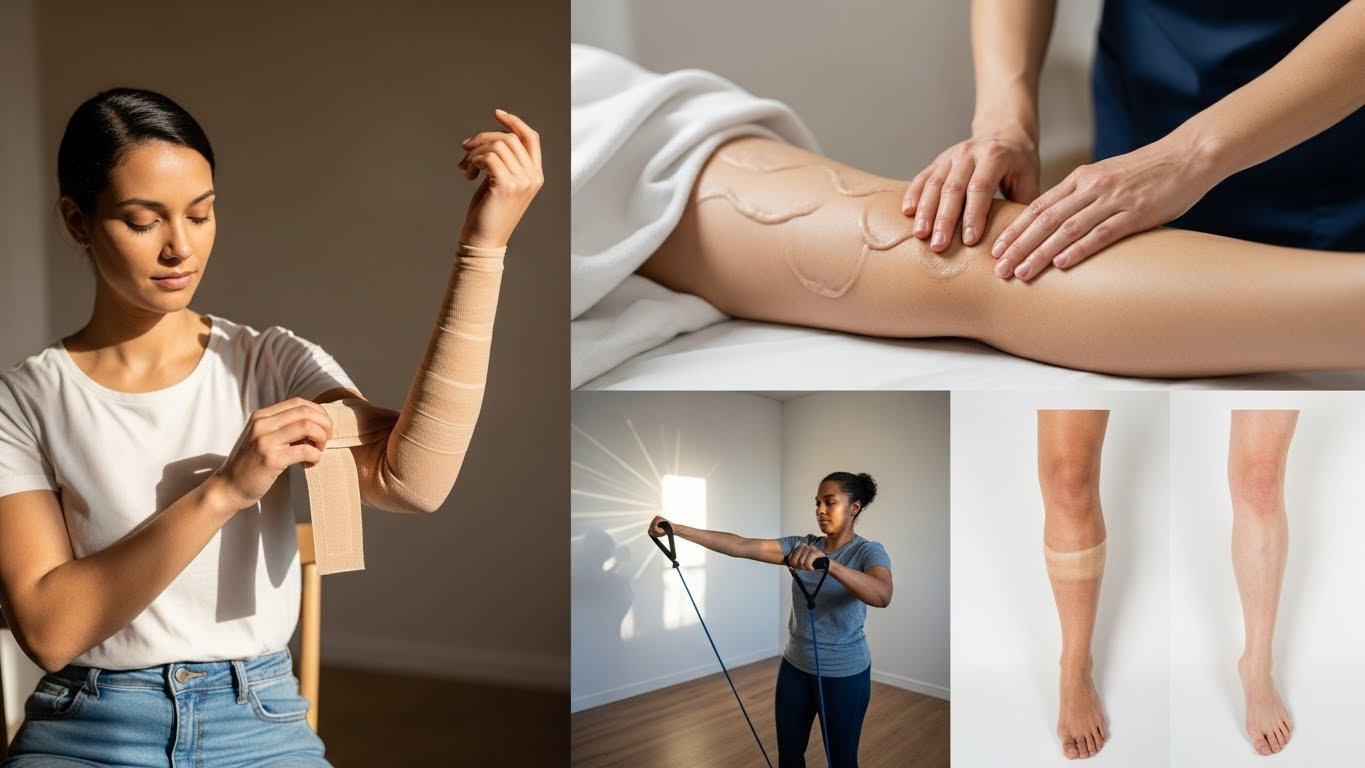
Some conditions should be addressed early, before they become serious. One such example is lymphedema, a chronic condition affecting thousands worldwide. Approximately 140 to 250 million people are affected by lymphedema, making it a condition that isn’t a pushover. Having said that, detecting it early can make it easier to get the right lymphedema treatment in Seattle. But what are the signs to detect it early? That’s what we will discuss today. Let’s begin.
What is Lymphedema?
Lymphedema occurs when the lymphatic system is unable to properly drain lymph fluid, leading to swelling in the affected area. Primarily, there are two types of lymphedema.
- Primary Lymphedema: Caused by developmental abnormalities in the lymphatic system.
- Secondary Lymphedema: Often develops after surgery, radiation therapy, or injury that damages lymph nodes or vessels.
Early Signs and Symptoms of Lymphedema
Recognizing this condition can be crucial in ensuring positive results after treatment. Here are some signs to look out for:
Swelling in Limbs
Swelling usually begins in one limb, such as an arm or leg, before spreading to other parts of the body. So, if you notice one arm puffier than the other, that might be a cue to visit a professional.
Tightness or Heaviness
Even if there’s no visible swelling on your legs or arms, but they feel heavier than usual, it might be an early sign of lymphedema building up.
Skin Changes
Look for redness, bumps, or hardened areas on the skin. These changes can indicate fluid buildup, another early sign to watch for.
Reduced Flexibility or Range of Motion
Increased swelling in the different parts of your body can reduce flexibility, hindering your day-to-day activities. In such a situation, something as simple as lifting your arm above your head can cause discomfort.
Fatigue and Discomfort
Even mild activity can leave the affected limb feeling tired, tingling, or uncomfortable. For example, if your legs feel heavy after a short walk, it might be an early warning sign.
How Seattle Specialists Can Help
After discussing the early signs, here are some of the ways specialists can help:
Lymphedema Clinics and Experts
Experts create a personalized treatment plan that meets the patient’s specific needs and ensures long-term comfort.
Diagnostic Tools and Assessments
Early detection often involves advanced assessments such as limb measurements, bioimpedance analysis, and ultrasound. These tools can identify fluid accumulation before it becomes visually apparent.
Treatment Options
Once the situation is identified, here are some of the treatment strategies to choose from.
- Compression Therapy: Custom garments and pneumatic pumps to improve lymph drainage.
- Manual Lymphatic Drainage (MLD): Specialized massage techniques that help move lymph fluid.
- Exercise Programs: Targeted movements to improve circulation and reduce swelling.
- Skin Care and Infection Prevention: Guidance on maintaining healthy skin to prevent complications.
Support Groups and Resources in Seattle
Apart from professional assistance and treatment, joining local support groups can also be a fruitful idea. This is where individuals can connect with a supportive and inspiring community to enhance treatment adherence and overall well-being.
The Final Word
Now that you know how to identify lymphedema symptoms early, the next step would be to contact a professional for reliable treatment. One of the options you have for professional lymphedema treatment in Seattle is Life In Balance Physical Therapy.
Lufanest: Exploring Its Purpose, Uses, and Importance