
Different Types of Sulfur for Industrial and Agricultural Use – Sulfur is one of the most versatile raw materials used across industries worldwide. From fertilizer production to chemical processing, rubber manufacturing, and petroleum refining, sulfur plays a critical role in modern supply chains. In agriculture, it is equally essential, supporting crop nutrition, soil health, and yield improvement.
However, not all sulfur is the same. Different types of sulfur are produced, processed, and applied depending on the end use. Understanding these differences helps buyers, agronomists, and industrial users select the right product for performance, efficiency, and compliance.
This article https://belirangkalisari.id provides a practical overview of the main types of sulfur for industrial and agricultural use, with guidance on where and how each type is best applied.
Elemental Sulfur
Elemental sulfur is the most widely traded form of sulfur globally. It is typically produced as a by-product of oil and gas refining through desulfurization processes.
Key Characteristics
- High sulfur content, usually above 99%
- Insoluble in water
- Slow-release behavior in soil
- Available in solid form
Agricultural Use
In agriculture, elemental sulfur is valued for its long-term soil conditioning benefits. It is commonly applied to:
- Correct sulfur-deficient soils
- Lower soil pH in alkaline conditions
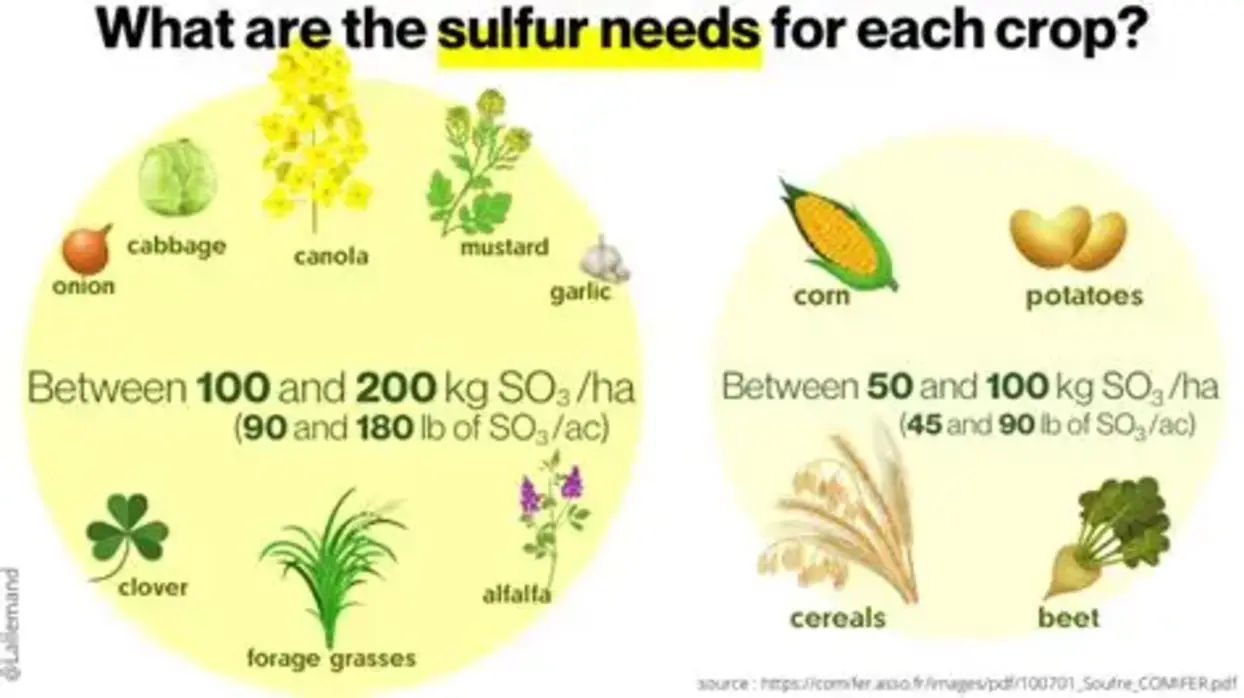
- Support oilseed, cereal, and legume crops
Because elemental sulfur must first oxidize to sulfate before plants can absorb it, it is best suited for pre-planting applications or long-term soil management programs.
Industrial Use
Industrially, elemental sulfur is used in:
Sulfuric acid production
- Rubber vulcanization
- Chemical synthesis
- Explosives and battery manufacturing
- Sulfur Granules and Pastilles
Sulfur granules and sulfur pastilles are physically processed forms of elemental sulfur designed for easier handling and application.
Advantages
- Uniform size and shape
- Reduced dust generation
- Improved safety during transport
- Better flowability in bulk handling systems
Agricultural Use
Granular sulfur is widely used in Agricultural Use applications where controlled spreading and blending with fertilizers are required. It is often applied using conventional fertilizer equipment, making it suitable for large-scale farming operations.
Industrial Use
In industrial settings, sulfur granules and pastilles are preferred for:
- Bulk storage
- Export logistics
- Automated feeding systems in manufacturing plants
Bentonite Sulfur
Bentonite sulfur is a specialized agricultural product made by combining elemental sulfur with bentonite clay. When exposed to moisture, the granules swell and break apart into fine sulfur particles.
Key Benefits
- Faster oxidation in soil
- Improved sulfur availability to plants
- More efficient nutrient uptake
Agricultural Use
This product is specifically designed for Agricultural Use and is widely applied in:
- High-value crops
- Sulfur-deficient regions
- Precision farming systems
Bentonite sulfur bridges the gap between slow-release elemental sulfur and fast-acting sulfate forms, offering a balanced solution for growers.
Sulfate-Based Sulfur
Sulfate sulfur is the form directly available for plant uptake. It is commonly supplied through fertilizers such as ammonium sulfate, potassium sulfate, and magnesium sulfate.
Characteristics
- Water-soluble
- Immediately available to crops
- Suitable for in-season application
Agricultural Use
Sulfate sulfur is ideal for:
- Quick correction of sulfur deficiency
- Foliar feeding
- Crops with high sulfur demand during growth stages
- While effective, sulfate-based sulfur can leach more easily in sandy soils, so timing and application rates are critical.
Industrial Use
Industrially, sulfate compounds are used in:
- Detergents
- Glass manufacturing
- Pharmaceuticals
- Textile processing
- Liquid Sulfur and Sulfur Suspensions
Liquid sulfur products include molten sulfur for industrial processes and sulfur suspensions formulated for agricultural spraying.
Agricultural Use
Sulfur suspensions are used in:
- Crop protection formulations
- Foliar nutrition programs
- Organic and conventional farming systems
They provide rapid sulfur availability and can be combined with other crop inputs for efficiency.
Industrial Use
Molten sulfur is mainly used in:
Continuous sulfuric acid plants
- Specialized chemical production processes
- Choosing the Right Sulfur Type
- Selecting the correct sulfur product depends on several factors:
- Intended use: agricultural or industrial
- Required release speed
- Soil type and climate
Handling, storage, and transportation needs
For Agricultural Use, growers often benefit from combining different sulfur types to meet both immediate and long-term crop requirements. Industrial users focus more on purity, physical form, and process compatibility.
Conclusion
Sulfur remains a cornerstone material for both agriculture and industry. From elemental sulfur and granules to bentonite sulfur and sulfate-based products, each type serves a specific purpose. Understanding these differences helps ensure better performance, cost efficiency, and sustainable use.
toko sulfur: As global demand for food production and industrial output continues to rise, choosing the right sulfur product is no longer optional. It is a strategic decision that directly affects productivity, compliance, and long-term success.