
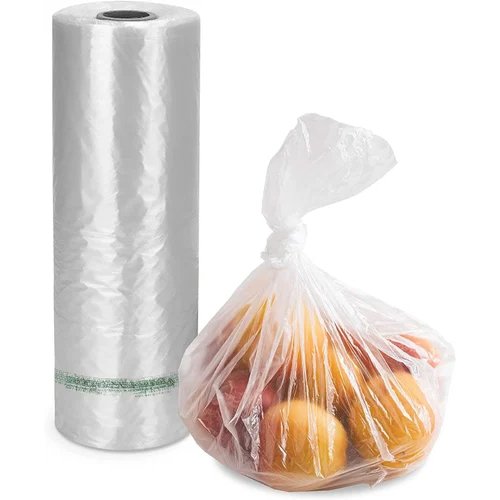
In modern industrial packaging, product safety and quality preservation are top priorities. One of the most effective solutions designed to meet these demands is the HM Liner Bag. Widely used as an inner lining for woven sacks and bulk packaging, HM Liner Bags offer enhanced protection against moisture, contamination, and leakage. Their strength, flexibility, and superior barrier properties make them a preferred choice across multiple industries.
What Are HM Liner Bags?
HM Liner Bags are manufactured using High Molecular (HM) weight polyethylene, a specialized polymer known for its exceptional strength and durability. Unlike conventional LDPE liners, HM liners are thinner yet stronger, allowing them to provide superior performance while reducing material usage.
These liners are typically placed inside PP woven bags, FIBC jumbo bags, or paper sacks to create an additional protective layer. Their primary purpose is to safeguard the packed product from external elements such as moisture, dust, oxygen, and contamination during storage and transportation.
Key Characteristics of HM Liner Bags
One of the most notable features of HM Liner Bags is their high tensile and puncture resistance. Despite being lightweight and thin, they can withstand heavy loads and rough handling. This makes them particularly suitable for packing fine powders, granules, and hygroscopic materials.
HM liners also offer excellent seal strength, ensuring leak-proof performance. They can be heat-sealed, tied, or stitched, depending on the packaging system used. Their smooth surface reduces friction, enabling easy filling and efficient material flow during automated packaging processes.
Advantages Over Conventional Liners
Compared to traditional LDPE liners, HM Liner Bags provide multiple advantages. Their reduced thickness results in lower material consumption, which translates to cost savings and improved sustainability. At the same time, their enhanced mechanical properties ensure better protection without compromising strength.
HM liners are also more resistant to tearing and stretching, minimizing the risk of liner failure. Their improved barrier performance helps extend the shelf life of products by protecting them from moisture ingress and external contamination.
Applications Across Industries
HM Liner Bags are widely used across a variety of industries due to their versatility and reliability. In the agricultural sector, they are commonly used for fertilizers, seeds, grains, and animal feed. The chemical industry relies on HM liners for packing powders, resins, pigments, and industrial chemicals.
In the food industry, HM Liner Bags are used for sugar, flour, rice, salt, and other food-grade materials where hygiene and moisture protection are essential. They are also extensively used in the pharmaceutical and mineral sectors, where product purity and contamination prevention are critical.
Types and Customization Options
HM Liner Bags are available in various formats to meet specific packaging needs. These include bottom-sealed liners, gusseted liners, form-fit liners, and loose liners. Depending on application requirements, they can be produced in transparent, milky, or colored finishes.
Customization options include different thicknesses, sizes, and sealing types. HM liners can also be manufactured with anti-static, UV-stabilized, or food-grade properties, making them suitable for specialized environments. Printed liners are also available for product identification and branding.
Compatibility with Bulk Packaging
One of the key benefits of HM Liner Bags is their excellent compatibility with PP woven sacks and FIBC jumbo bags. When used as an inner liner, they significantly improve the overall performance of the outer packaging. The combination of a strong woven bag and a high-performance HM liner ensures maximum product protection, even during long-distance transportation.
Their flexibility allows them to conform perfectly to the shape of the outer bag, optimizing space utilization and reducing voids. This helps maintain package stability and minimizes product movement during transit.
Environmental and Economic Impact
From an environmental perspective, HM Liner Bags contribute to material reduction and waste minimization. Their thin yet strong structure requires less plastic compared to conventional liners, resulting in a lower carbon footprint. Many HM liners are recyclable, supporting sustainable packaging initiatives.
Economically, HM liners offer excellent value by reducing product loss, improving packaging efficiency, and lowering overall costs. Their durability reduces the risk of damage-related claims and rejections, making them a smart investment for businesses.
Quality Standards and Safety
HM Liner Bags can be manufactured in compliance with international quality and safety standards, including food-grade and pharmaceutical packaging requirements. Strict quality control during production ensures consistent thickness, strength, and sealing performance.
For sensitive applications, HM liners can be produced in clean-room conditions to meet hygiene standards. This ensures that the packed product remains safe, uncontaminated, and compliant with regulatory guidelines.
Conclusion
HM Liner Bags are an advanced and reliable solution for inner packaging applications across multiple industries. With their high strength, excellent barrier properties, cost efficiency, and sustainability benefits, they provide superior protection compared to conventional liners. Whether used in agriculture, food, chemicals, or pharmaceuticals, HM Liner Bags enhance packaging performance and ensure product integrity from filling to final delivery.